


Southern California Edison sought to avoid trial on a key Eaton Fire liability claim by pointing to a transmission tower's decades of inactivity. A judge rejected that argument, keeping the claim over the devastating fire headed for trial.
Here's what to know
Negligence need not be established for a utility to face liability for property damage caused by its equipment under California's doctrine of "inverse condemnation," according to Insurance Business. Superior Court Judge Laura Seigle rejected Edison's request to bar that doctrine from the case.
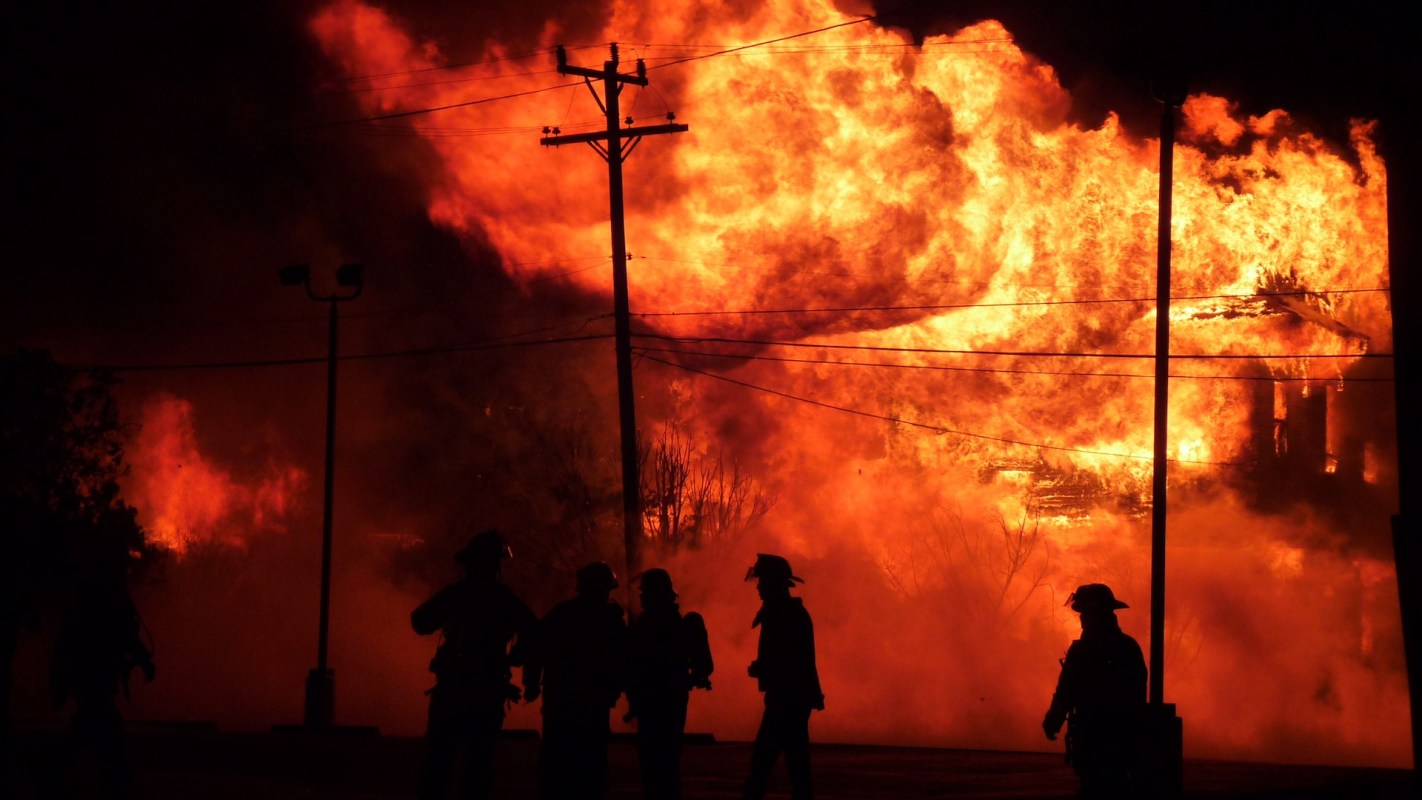
The Eaton Fire burned near Pasadena in January 2025, claiming 19 lives and leaving over 9,000 homes and businesses damaged or destroyed, Insurance Business reported. The blaze scorched 14,000 acres, making it the Los Angeles area's most destructive fire.
The first jury trial on whether inverse condemnation applies is set for late January.
More background
The Los Angeles County Fire Department identified an out-of-service transmission tower on a dry hillside as the ignition site. According to Insurance Business, the department's report, released in early August, attributed the fire to electrical arcing there.
Sparks from the dormant cable ignited the blaze, attorneys pursuing claims against Edison contend. They say a Jan. 7 surge on a nearby active line produced a magnetic field that briefly reenergized the cable.
TCD Picks » Quince Spotlight
💡These best-sellers from Quince deliver affordable, sustainable luxury for all




The absence of another viable explanation for the wildfire's ignition was a point Edison CEO Pedro Pizarro raised with investors in late July, according to Insurance Business. Acknowledging the equipment's possible role, he said "no other viable alternatives have appeared" beyond it.
What's being done?
Seigle also declined to resolve inverse condemnation before trial at the insurers' request. The insurers' attorneys had sought that decision to speed reimbursement from Edison for damage claims the companies had paid, Insurance Business reported. That recovery process is called subrogation.
If inverse condemnation applies, insurers would not need to establish negligence to recover all insured property damage from Edison; the utility would instead face strict liability. Whether the doctrine applies is now a trial question for both sides.
California's strict liability rule covers public infrastructure, a category Edison argued no longer included the tower. The utility based that defense on the tower having sat idle since 1971.
"Edison did not cite any legal authority that a transmission line originally built to serve the public cannot be a public improvement because it was idle and not transmitting electricity at the time of the harm," she wrote.
Where can I learn more?
The Edison case raises questions about who pays for utility-caused wildfires and what utilities can do to prevent them. These stories cover California survivors' demands, potential costs for Edison customers, power shutoffs, and utilities' wildfire prevention efforts.
• California wildfire survivors are urging leaders to stop utility fires, not just debate payments.
• Edison customers could pay hundreds of millions more after California wildfire legislation stalled.
• California residents facing an SCE shutoff warning are asking why power lines remain aboveground.
• North American utilities are racing to prove they saw sparks coming as hundreds of wildfires burn.
• Texas lawmakers say only eight fire-prone utilities out of 160 filed required wildfire plans.

Get TCD's free newsletters for easy tips, smart advice, and a chance to earn $5,000 toward home upgrades. To see more stories like this one, change your Google preferences here.






