


The Environmental Protection Agency discarded a report warning of the risks that "forever chemicals" pose in sewage-based fertilizer despite evidence of contamination on farms.
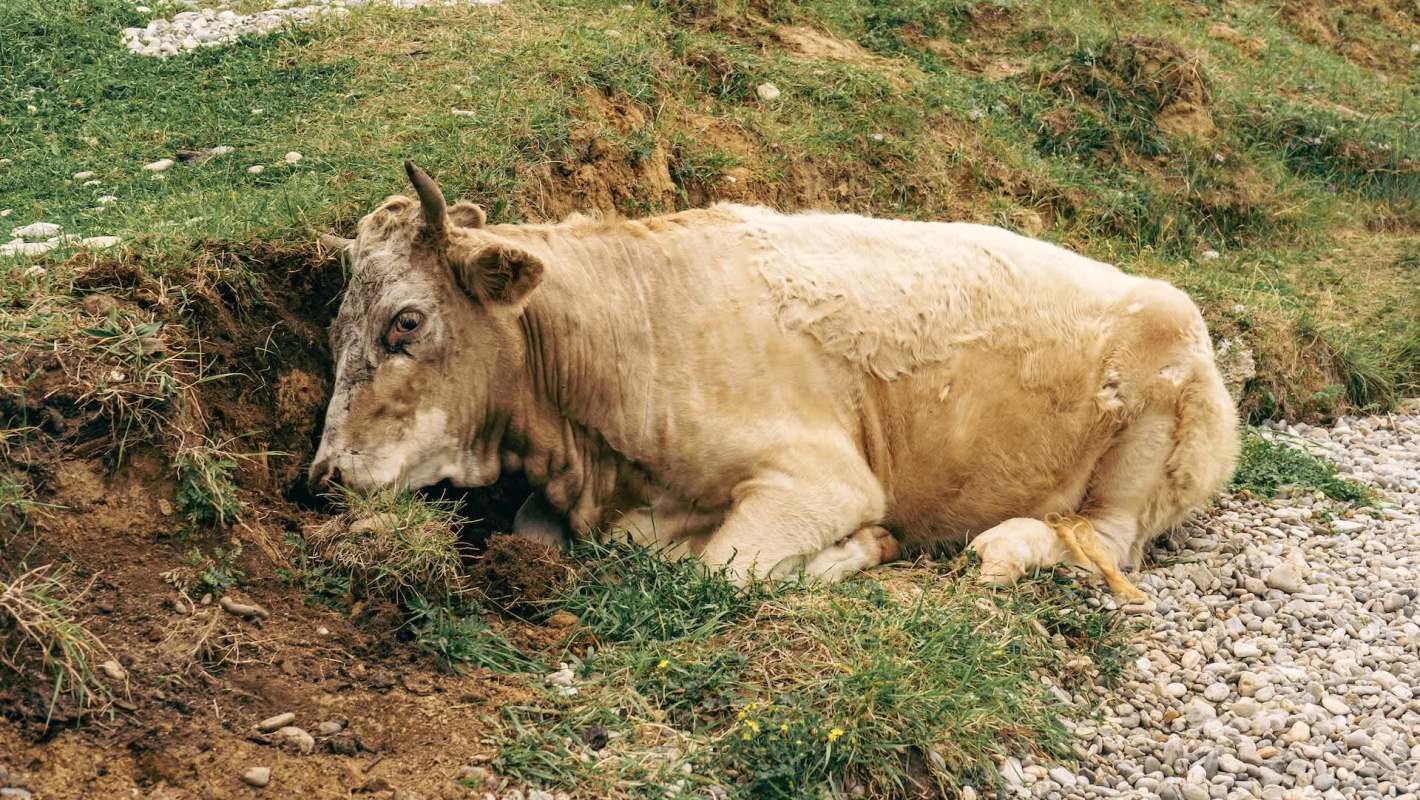
On one Texas ranch, more than 80 cattle died as investigators examined pollution believed to have come from fertilizer stored nearby, WJLA reported.
Here's what to know
A proposed national survey awaiting action at the White House's Office of Management and Budget was designed to map PFAS contamination and identify its sources.
A WJLA investigation found that the EPA left the survey unused while citing a lack of data.
Former EPA scientist Betsy Southerland spent 33 years at the agency and led water-related work in its science and technology office.
"That has been ready to go since November of 2024, and the current administration never mentions the survey and has never taken any steps to put that survey out," Southerland told WJLA. Her team produced the nearly 300-page risk report that the EPA discarded.
TCD Picks » Quince Spotlight
💡These best-sellers from Quince deliver affordable, sustainable luxury for all




According to the findings WJLA reviewed, even biosolids containing small amounts of certain PFAS could pose serious risks to people, livestock, and the environment.
More background
At Tony Coleman's family ranch in Johnson County, Texas, Dana Ames examined contamination in her role as an environmental crimes investigator.
Investigators suspected that biosolid fertilizer made from human waste and stored beside the property was the source of the contamination. Tests detected high PFAS levels in the ranch's animals, soil, and water.
Ames' work included collecting samples for analysis while Coleman watched his cattle die.
State regulators from Maine to Michigan have linked damaged land and sick farm animals to sludge contamination. PFAS exposure is linked to cancer, thyroid conditions, and developmental difficulties in both people and animals.
Sewage-based fertilizer is applied annually to roughly 70 million acres of agricultural land.
What's being done?
Asked why the survey hadn't been sent out, EPA Deputy Administrator David Fotouhi claimed PFAS contamination was a priority for EPA Administrator Lee Zeldin and the agency.
Fotouhi said the EPA wanted water systems and biosolids users to have information and technical support for treatment where necessary, but he didn't explain why the survey remained unused.
Instead, Fotouhi pointed to nine pages of voluntary suggestions that acknowledge the benefits of biosolids but advise against applying the fertilizer near children or to particular crops.
Southerland called for conducting the survey to identify the specific industries discharging PFAS into wastewater. Without that information, efforts to trace contamination before it reaches farms remain incomplete, leaving agricultural communities without answers about its sources.
For Ames, those concerns extend to the food she serves her own family.
"As a mother and a grandmother, knowing that the food, the very food that I feed my family, could be tainted with toxic chemicals that our government's aware of and refuses to respond to. That is not OK," she told WJLA.
Where can I learn more?
Concerns about PFAS in soil and water reach far beyond one Texas ranch. These stories examine the chemicals' industrial ties, opposition to wastewater expansion, and lawsuits over forever chemicals.
• North Carolina's PFAS fight exposed an industry trail spanning Texas, Europe, and India.
• Maryland residents are pushing back against Perdue's proposed fivefold wastewater increase amid PFAS concerns.
• North Carolina residents sued over PFAS contamination in their well water and soil.
• Vermont well owners filed a federal class action against Saint-Gobain, 3M, and DuPont over PFOA.

Get TCD's free newsletters for easy tips, smart advice, and a chance to earn $5,000 toward home upgrades. To see more stories like this one, change your Google preferences here.






