


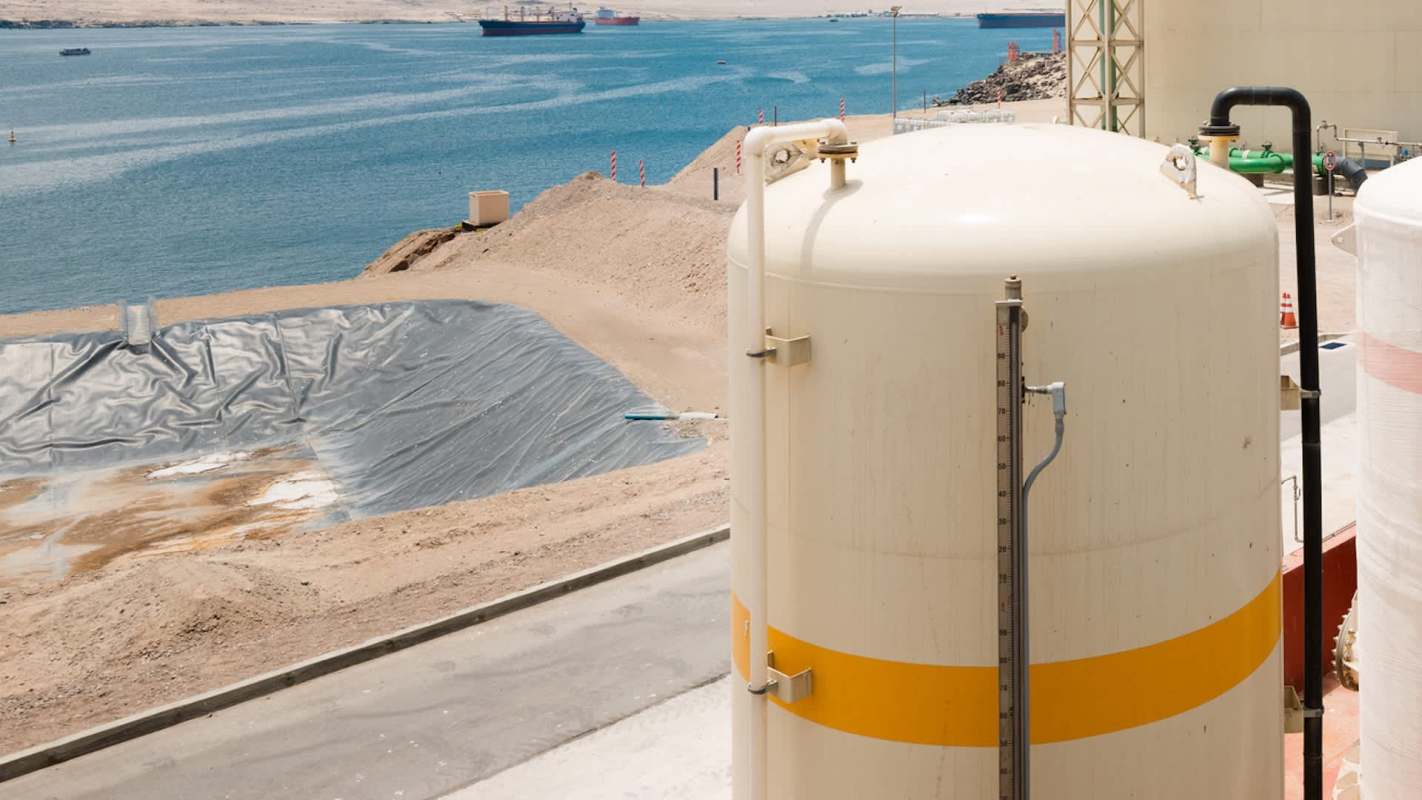
A proposed desalination plant in Texas could provide a drought-resilient drinking water supply for an area home to almost 8 million residents, according to EPCOR.
However, potential harm to Galveston Bay is a concern for nearby residents and environmental groups, KPRC reported.
Here's what to know
EPCOR is developing the Bayshore Desalination Plant on Galveston Bay at the decommissioned P.H. Robinson Power Plant site.
Under the company's proposal, the bay would absorb brine, the highly concentrated saltwater left over after the plant converts seawater into drinking water. Environmental advocates and residents near Bacliff fear that discharged saltwater could harm water quality and marine life.
Final approval remains pending despite a step forward in the application review. The Texas Commission on Environmental Quality has issued a draft discharge permit.
The Galveston Bay Foundation, whose work centers on protecting the bay, wants closer scrutiny of where the plant would be built. EPCOR, meanwhile, presents the facility as a long-term water supply project.
TCD Picks » Quince Spotlight
💡These best-sellers from Quince deliver affordable, sustainable luxury for all




More background
The planned discharge near Dickinson Bay and the site's distance from offshore waters are specific issues that Galveston Bay Foundation president Bob Stokes has raised.
"The biggest concern is we think it's the wrong place for this facility," Stokes explained. "It's probably at least 10 miles from offshore and would be discharging near Dickinson Bay. There's a whole bunch of fishing that goes on in that area. There's a whole bunch of oyster reefs in that area — and higher salinity levels have the possibility of impacting those reefs."
Stokes' concerns focus on potential harm to the bay, not damage that the proposed facility has already caused.
What's being done?
EPCOR said researchers at Texas A&M University at Galveston conducted two separate modeling studies examining the bay's salinity and aquatic life. The studies and accompanying environmental and engineering analyses were included in the permit application and are available for public review.
The foundation and others could request a contested case hearing — a legal avenue for challenging the permit — after the state reviews and responds to comments, according to Stokes. The Galveston Bay Foundation has submitted its comments to the state.
In its statement, EPCOR said public comments were still being accepted, allowing interested parties to examine the proposal, raise questions, and offer feedback before a final permit decision.
Discussions between the company and the foundation have not resolved their disagreement.
"We welcome a thorough, science-based review of the project," the company stated.
Where can I learn more?
Communities elsewhere along the Texas coast are also weighing desalination and other ways to secure drinking water. These stories cover desalination permits and disputes and industrial water reuse.
• Texas' Harbor Island desalination plant won final permit approval for 50 million gallons daily.
• Corpus Christi could owe $307 million after rejecting a desalination plant again.
• Corpus Christi is using treated wastewater for industry, freeing millions of gallons of freshwater.

Get TCD's free newsletters for easy tips, smart advice, and a chance to earn $5,000 toward home upgrades. To see more stories like this one, change your Google preferences here.






