


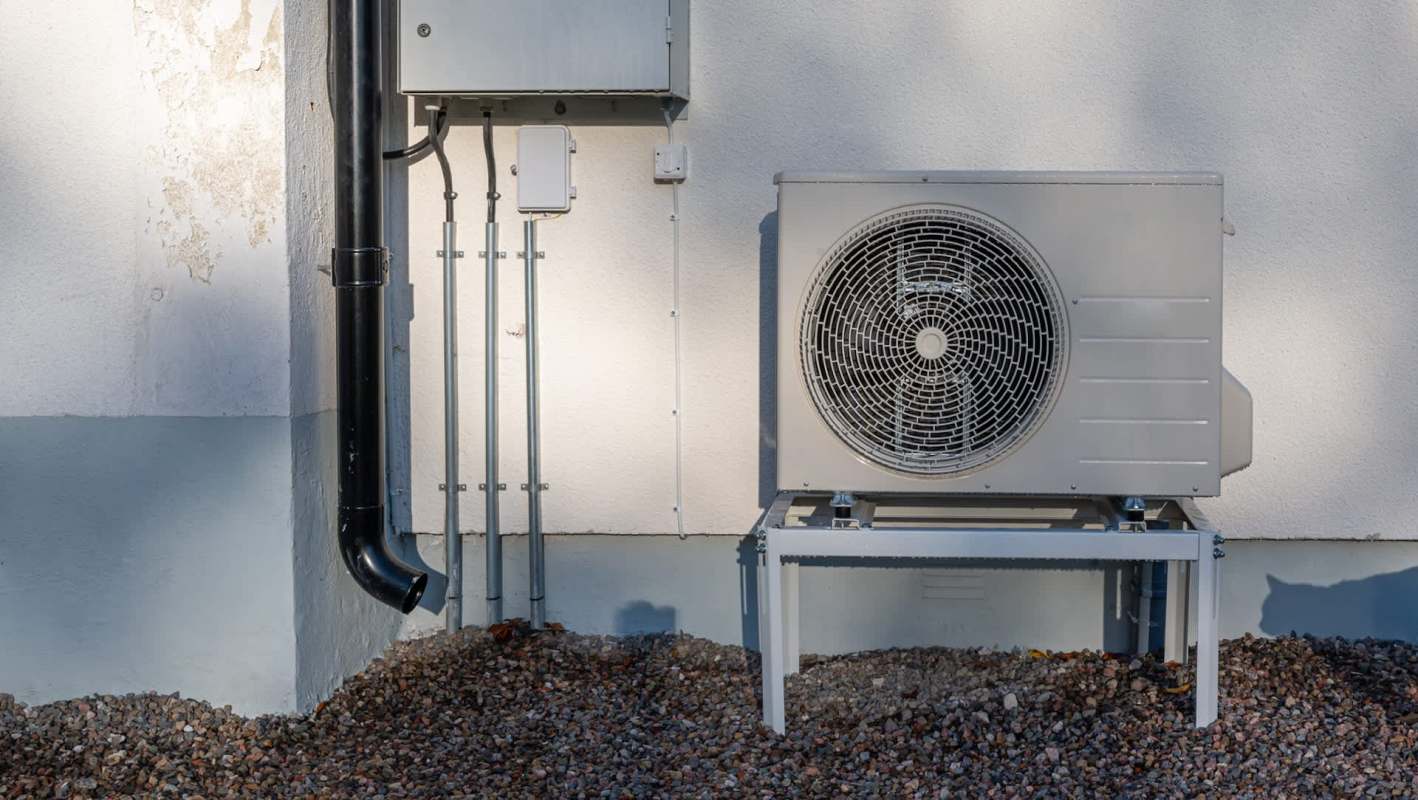
One homeowner's question about replacing aging heating equipment sparked a discussion about how heat pumps perform in winter.
The conversation dove into gas furnaces versus heat pumps and why the best choice can vary from one household to the next.
Here's what to know
"Does a heat pump keep the house just as warm as a gas furnace when temperatures drop? I'm also curious about how the winter heating bills compare." The homeowner asked in Reddit's r/askHVAC community. Their equipment was aging, though the ductwork remained in good condition.
A major focus in the comments was the preference for how gas heat feels. Many people say that despite a heat pump having the same temperature reading, it feels less hot.
One commenter, an HVAC technician with 13 years of experience, explained: "Air temp at your vents will not be as hot as with a gas furnace, so it doesn't 'feel' as warm."
A heat pump will supply a constant warm temperature, and a gas furnace will kick on and blast hot air out of the vents. People who are used to the hot air rushing out of vents, or who like to stand under vents when that hot air flows, will not get that same feeling with a heat pump.
As one commenter noted: "HVAC tech here. I can go into 2 houses, one with heat pump and one with gas furnace. Both houses I am measuring 72° with the same tool. The heat pump owner is happy with their system. The gas furnace owner tells me they hate heat pumps."
For homeowners weighing replacements, Palmetto can help explain HVAC options and reduce energy bills with newer, more efficient HVACs and heat pumps. Palmetto's Comfort Plan network helps homeowners find efficient heating and cooling solutions and connects them with vetted installers.
Crushed by your bills? See instant solar savings from vetted installers in just a few clicks With energy prices through the roof, there's never been a better time to go solar — and EasyHome can help you find the best prices from the best installers in your area. EasyHome takes the guesswork and headaches out of energy upgrades by showing you estimated savings from a network of vetted local partners. To get started, just enter your ZIP and share a few details about your home — seeing your estimate is really that easy. |

More background
Commenters from northern states said they like the "toasty" feeling of a gas furnace, likening it to a campfire, saying the heat pump is just always warm. However, that is mostly user preference rather than real heating performance.
Several commenters described using a dual system and switching based on cost and desire for a toasty feel: "I have the system set up to only use the heat pump for heating when the outside temp is 55 or above, any colder outside and I use the gas heat instead."
The different temperature cutoffs noted here reflect household preference, not a standardized limit on when heat pumps can operate.
In one commenter's experience, their heat pump was cheaper above roughly 45 degrees, and gas was cheaper below it.
Each household will have to weigh the cost of gas and electricity, how cold winter temperatures get, and the desired "feel" of the supplied heat.
A system's ability to produce heat does not necessarily make it the cheapest heating option. The discussion did not establish a single cutoff suitable for every model or location.
What can be done?
Upgrading heating and cooling is one of the best ways to save on utility bills and protect against rising energy prices, but every variable of the equation must be weighed.
Keeping gas available as a backup appealed to several commenters. To evaluate a replacement, commenters recommended considering equipment efficiency alongside local gas and electricity rates.
For homeowners not ready to spend upfront, Palmetto's Comfort Plan includes $0-down options that can lower heating and cooling costs by up to 50%. Palmetto Comfort Plans also include 12 years of free maintenance.
One example where electric HVAC takes the lead is when homeowners pair solar panels with electric appliances, including efficient HVACs, to drive utility costs even lower. One commenter described using that approach with their heat pump. EasyHome makes it easy to compare solar options and find the best solar system and installer for a homeowner's home and budget. EasyHome can help homeowners save up to $10,000 on solar installations.
Without solar, everything depends on the local gas and electricity rates.
"Where you live is probably the most important variable you've omitted to mention. Not only temperature wise, but utilities price vary widely from a place to another," one commenter explained.
Where can I learn more?
Homeowners considering heat pumps often have the same questions about heating costs and performance. These stories explore dual-fuel savings, furnace replacements, and experiences heating homes through freezing winters.
• In Texas, pros say gas rates determine whether a homeowner's dual-fuel Bosch setup pays off.
• A Massachusetts homeowner heard dual-fuel heating might save just $117 compared with heat pumps alone.
• In eastern Ontario, owners told a homebuyer their heat pumps rarely need backup heat.
• HVAC pros advised a homeowner ditching oil to keep the boiler alongside a heat pump.
• In Maine, mini-split owners say some cold-climate units handle sub-zero winters solo.

Get TCD's free newsletters for easy tips, smart advice, and a chance to earn $5,000 toward home upgrades. To see more stories like this one, change your Google preferences here.






