


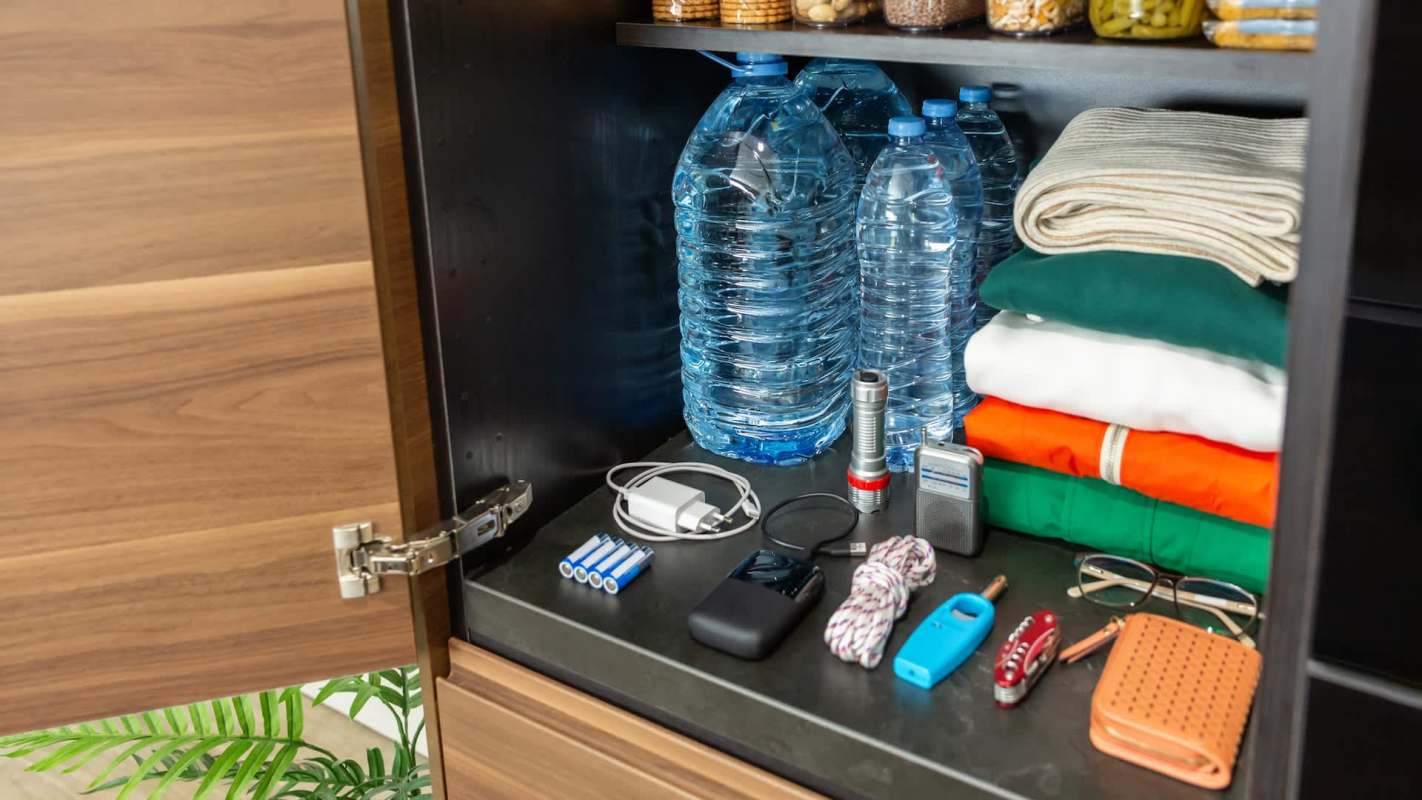
Preparing for water and power outages cost one U.K. renter about £340 (about $457 at current exchange rates), but organizing their home first could have saved them a substantial portion of the bill.
After discovering useful equipment they already owned, the renter estimated they could have spent £100-£150 less ($134-200), or potentially saved even more.
Here's what to know
In a post on Reddit's r/UKPreppers community, the renter detailed preparations for two adults, a small dog, and two cats. Over roughly eight weeks, they gathered and organized supplies ranging from drinking water to pet records.
They reported spending £15 ($20) on water, £60 ($80) on food, £35 ($47) on a camping stove and gas, and £110 ($148) on lighting and communications. Pet supplies cost another £60, while approximately £60 went toward protective equipment, cleaning products, and hygiene supplies.
Some lighting purchases duplicated equipment they already owned. The renter discovered torches only after buying more lights. The renter also questioned whether they needed the £50 ($67) radio, their most expensive single purchase.
"If I was starting again, I would organise the house first, and find what I'm missing. Not doing it the way I did, which was buy what I thought I had missing, and then realise I actually had things that would be of use," the original poster wrote.
TCD Picks » Quince Spotlight
💡These best-sellers from Quince deliver affordable, sustainable luxury for all




More background
The renter allocated about 1.3 gallons of water per adult each day, including basic hygiene needs, plus additional water for the animals. The household planned for a week without utilities, with the option to expand supplies to last 10 or 14 days. Of all the supplies, water required the most storage space.
The renter's meal plan included chickpea korma, kidney bean chili, lentil daal, and tuna-and-sweetcorn pasta. They already enjoyed beans and lentils and had several days' worth of food before buying more. Meals the household would actually eat guided the shopping, rather than a collection of unrelated ingredients.
The renter kept a full bag of pet food and two full bags of litter on hand. Maintaining that reserve required advance planning because the cats' special diet ruled out substituting whatever food a pet shop happened to have.
Packing evacuation bags became the renter's next project after they researched local flood risk and learned of past emergency evacuations. Flooding was a concern, along with utility outages.
What can be done?
The renter found three power banks, multiple torches, medications, and tools around the house. Plastic drawer towers they already owned provided organized storage under the stairs, bringing emergency supplies together rather than leaving them scattered.
The renter also charged the power banks, packed compatible cables, and set a reminder to inspect the batteries and lights in three months.
The renter wrote down how to shut off utilities and which important numbers to call. They also included copies of identification and insurance documents, plus a road atlas.
Commenters suggested additional flood precautions, including waterproof document storage, tarps, and checking whether evacuation destinations would accept pets. The poster also confirmed in a Reddit reply that they kept roughly £50 ($67) in coins and small-denomination notes.
Quick carrier loading was another skill the renter was practicing so an evacuation with the cats would be less difficult.
One commenter emphasized the value of keeping supplies in designated places, writing, "Thanks for this. I found your organisation and thought process really easy to follow. I especially like how you have the things you need in a specific place."
Where can I learn more?
Other households have also worked through what they need to keep on hand for an outage. These stories cover practice outages, stored water, and backup power plans.
• A U.K. parent proposed a trial run outage, prompting warnings against shutting off gas.
• A U.K. prepper gathered 50 liters of water, solar backup, and two evacuation bags.
• A U.K. home worker considered Anker Solix S2000 backup, with savings a secondary benefit.
• A prepper's grid-down power plan ranged from candles and a NOAA radio to solar.
• A prepper planning a sub-$1,000 backup power box realized a key component was missing.

Get TCD's free newsletters for easy tips, smart advice, and a chance to earn $5,000 toward home upgrades. To see more stories like this one, change your Google preferences here.






