


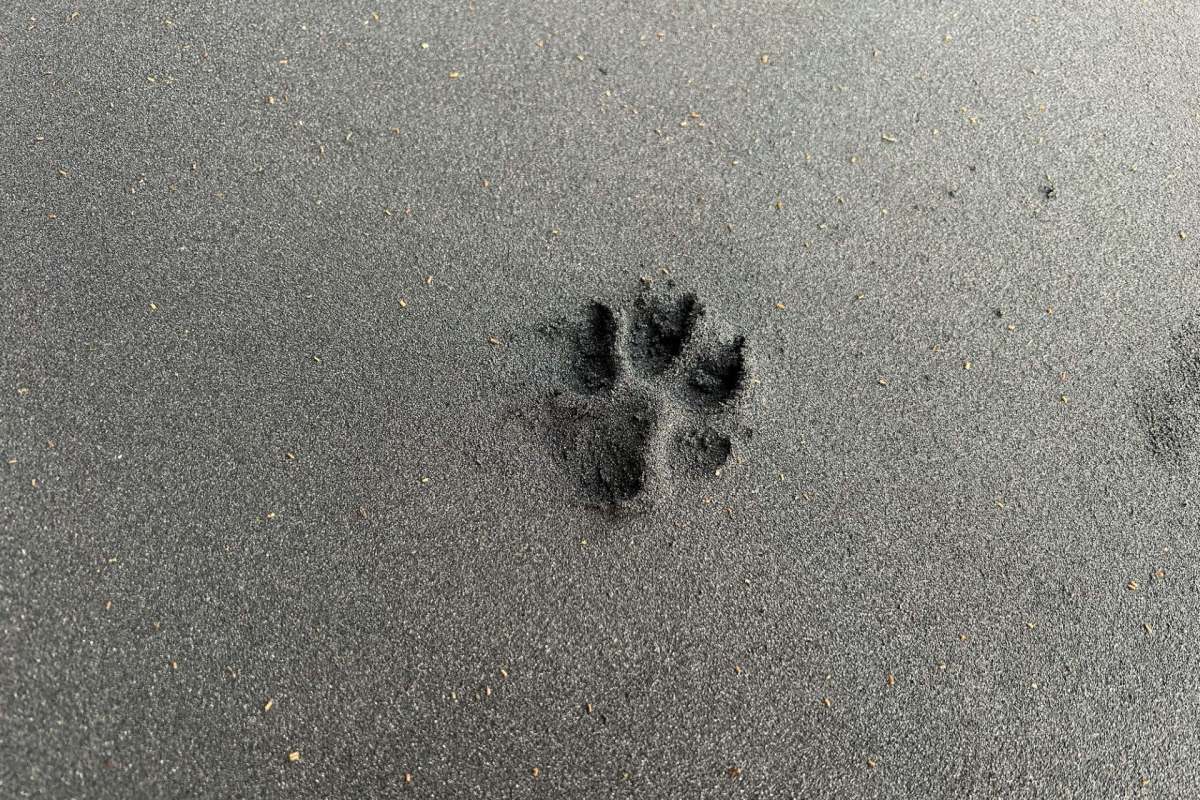
Roughly 4,000 years ago, a dog left a lasting mark on mudbrick in what is now Turkey.
Here's what to know
Mehmet Nuri Ersoy, Turkey's culture and tourism minister, shared photographs of the paw prints found at the archaeological site of Tavşanlı Höyük on social media, according to Gizmodo.
Tavşanlı Höyük'te yaklaşık 4.000 yıllık pati izleri bulduk. 🐾 🐕 Kütahya'daki kazılarımızda, patili bir dostumuzun henüz kurumamış kerpicin üzerinde bıraktığı izlere ulaştık. Tunç Çağı'nda yangın geçirerek yıkılan bir yapının molozu içinde bulunan bu kerpiç, bir zamanlar evin duvarında yer alıyordu. Üzerindeki pati izleri, dört bin yıl önceki gündelik hayatın küçük bir anını korudu. Batı Anadolu'nun en büyük Tunç Çağı kentlerinden Tavşanlı Höyük'te yalnızca yapıları ve eserleri değil, yaşamın böylesine küçük ve beklenmedik izlerini de ortaya çıkarıyoruz. 2021'den bu yana çalışmaları yürüten Kazı Başkanımız Prof. Dr. Erkan Fidan'a ve kazı ekibimize teşekkür ediyorum.
— Mehmet Nuri Ersoy (@MehmetNuriErsoy) October 26, 2026
Although their age is only an estimate, the prints mark a brick thought to have been part of a Bronze Age building.
A study by the excavation team, published in the Coğrafya Dergisi Journal of Geography, described the site as covering roughly 111 acres (45 hectares). That expanse places Tavşanlı Höyük among Western Anatolia's largest Bronze Age settlements.
The site's human history extends at least to the third millennium BCE, based on evidence from earlier surface investigations and excavations discussed in the paper.
More background
Evidence from Tavşanlı Höyük indicates that residents produced these sun-dried mudbricks, known as adobe, according to Gizmodo.
TCD Picks » Quince Spotlight
💡These best-sellers from Quince deliver affordable, sustainable luxury for all




The outlet noted other imprints from animals that people have found before like inky cat footprints that a scholar found on a medieval manuscript in 2013.
What's being done?
Archaeologist Erkan Fidan of Bilecik Şeyh Edebali University leads the team that has worked at Tavşanlı Höyük since 2021, according to Gizmodo, citing Ersoy.
"At Tavşanlı Höyük, one of the largest Bronze Age settlements in Western Anatolia, we are uncovering not only structures and artifacts but also such small and unexpected traces of life," Ersoy wrote in the post translated via Google.
Where can I learn more?
Archaeological finds can really make you aware of the passage of time.
• At Karahan Tepe in Turkey, a rare Neolithic sculpture depicts a human riding a leopard.
• In Ireland, 6,500-year-old presumed cow bones proved to be bear and wild boar, reshaping farming timelines.
• A French hillside home build halted after excavations revealed a 2,000-year-old city underneath.

Get TCD's free newsletters for easy tips, smart advice, and a chance to earn $5,000 toward home upgrades. To see more stories like this one, change your Google preferences here.






