


A Maine homeowner said a one-year-old water heater is keeping an oil boiler in service as a backup to some new heat pumps.
Given the unusual relationship, they worried that backup baseboard pipes in exterior walls could freeze in the new arrangement.
Here's what to know
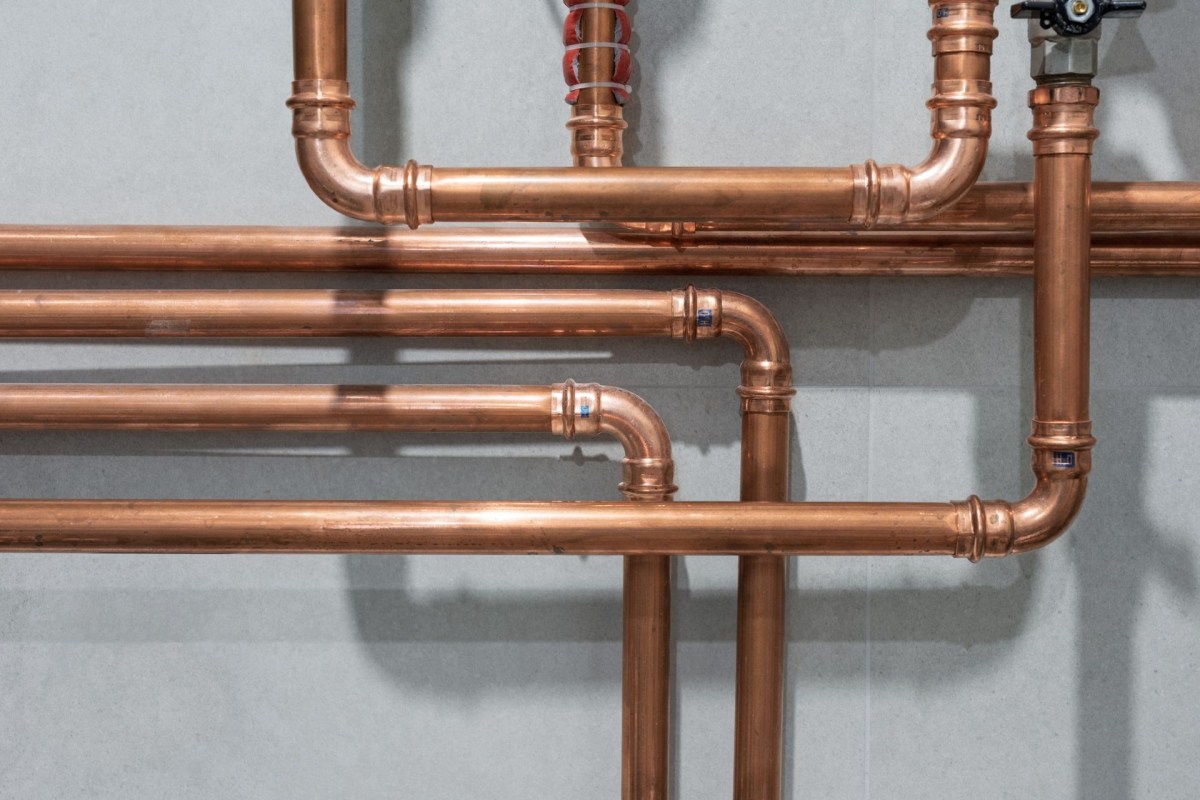
In a Reddit post, the homeowner explained that whole-home units rated to minus 22 Fahrenheit were going in, but the existing oil boiler would remain as backup. With copper heating lines tucked into the walls, the poster summed up the concern simply: "I don't want to find out the hard way."
Replies mostly centered on two ways to handle the lines: protect them with glycol, or empty them out. One commenter asserted the antifreeze approach works even though the "performance hit is negligible (5-10%) but it is there," while another said, "draining is definitely the safest option."
Not everyone thought an immediate decision was necessary.
"Yeah wait and see how those efficient heat pumps work for you before doing anything drastic with your boiler," one Reddit user wrote.
That points to a wait-and-see approach, where the original poster could evaluate the bill savings and the heat pump's efficiency while deciding where it makes sense to tap into their backup source.
The poster also noted that domestic hot water is part of the reason the boiler is not going away yet: "I just replaced my hot water heater a year ago. Got a really nice one or that would go to. So it will still run to heat my hot water."
Crushed by your bills? See instant solar savings from vetted installers in just a few clicks With energy prices through the roof, there's never been a better time to go solar — and EasyHome can help you find the best prices from the best installers in your area. EasyHome takes the guesswork and headaches out of energy upgrades by showing you estimated savings from a network of vetted local partners. To get started, just enter your ZIP and share a few details about your home — seeing your estimate is really that easy. |

More background
Pipe placement was a major part of the problem. "All the pipes that carry water for the heat are on exterior (2/4 walls) walls," the homeowner shared, whereas the regular water lines are not.
Several replies said lines within conditioned space are usually OK "as long as the temps in the house stay above 55F," but they also cautioned that exterior walls, attics, and crawl spaces face more risk when stray air gets in.
That uncertainty mattered most during severe weather. "I feel like it would all be fine 99% of the time and then we have our -35 days every once in a while," the poster commented.
Some Redditors said the backup boiler itself could become a concern if it rarely runs. One suggested that boilers "can become unreliable if not exercised regularly" and warned that fuel oil being left to sit for more than two years is "not a great idea."
What can be done?
The most developed suggestion was to keep water moving so the backup stays usable. In one commenter's view, draining the system "totally defeats the purpose of backup heat" and may lead to corrosion, so periodic pump cycling made more sense.
Their advice included using a newer Taco switching relay to run short circulation cycles every 12 hours. In a separate reply, another homeowner said they had replaced a Taco SR501 with a Tekmar 301P to get comparable functions.
For households also revisiting hot water, Cala makes smart heat pump water heaters. Cala's customizable smart heat pump water heaters can help homeowners lower energy bills by heating water when it is needed.
Homeowners comparing backup-heat options with water-heating upgrades can also look at Cala.
Where can I learn more?
Homeowners across Maine and nearby states are asking similar questions as heat pumps replace oil heat in colder climates.
• A New England homeowner found keeping the old oil boiler eased a heat-pump upgrade.
• HVAC pros told one homeowner to get a heat pump but keep their boiler.
• In Maine, mini-split owners said some cold-climate units handled subzero winters alone.
• A New Hampshire homeowner went two winters without oil before questioning the tank's value.
• In Massachusetts, a new build showed a dual-fuel setup may save just $117 over heat pumps.

Get TCD's free newsletters for easy tips, smart advice, and a chance to earn $5,000 toward home upgrades. To see more stories like this one, change your Google preferences here.






