


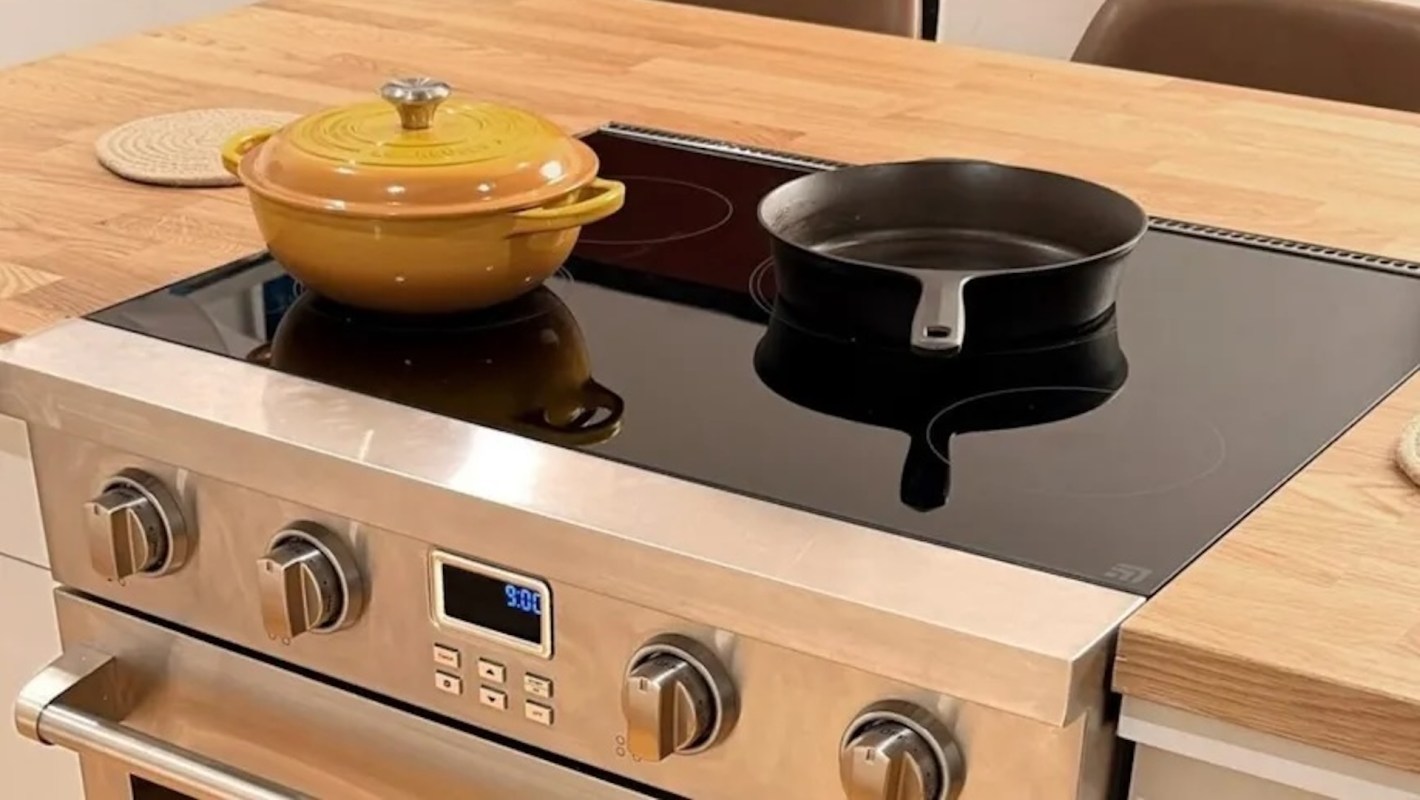
A standard three-prong outlet is enough to power a battery-backed induction range — and for households replacing a gas stove, that can mean avoiding the costly electrical work another electric model might require.
A group purchase campaign in parts of Georgia and North Carolina is offering $300 off one such appliance, making the switch more affordable for participating households.
Here's what to know
The initiative brings together New York City-based appliance maker Electra and Let's Go Electric, whose online platform connects participants with contractors and partners from government and other organizations, according to Canary Media.
Four local campaigns are participating: Electrify Decatur (outside Atlanta), Electrify Asheville-Buncombe (for western North Carolina), Electrify the Triad (in Winston-Salem and Greensboro), and Electrify the Triangle (for Raleigh, Durham, and Chapel Hill).
Electra's range costs $3,999 before the group-purchase discount.
Participating households may also be eligible for public rebates that reduce what they pay out of pocket.
TCD Picks » Quince Spotlight
💡These best-sellers from Quince deliver affordable, sustainable luxury for all




The campaign lists Nov. 30 as the deadline for the $300 discount.
Avoiding an electrical upgrade could save roughly $3,000 overall compared with replacing a gas stove with another electric range that requires a higher-voltage outlet.
More background
A conventional electric range typically requires a 240-volt outlet rather than a standard 120-volt connection.
Making that change can cost thousands of dollars, complicating the switch even when the stove itself costs about the same as a new gas model.
Induction avoids both the indoor pollutants associated with gas cooking and the burning of planet-warming fossil fuels in the kitchen.
Households may spend less on energy each month because induction appliances use it more efficiently.
Support for induction is growing among chefs who find its cooking performance equals or exceeds that of gas.
What's being done?
Electra's workaround is a built-in, 5-kilowatt-hour battery.
The battery also allows households to cook as many as five meals when grid power is unavailable. It draws electricity from a standard outlet, then supplies power for demanding cooking tasks such as boiling water or searing cuts of meat.
Let's Go Electric, which began with rooftop-solar group-purchase campaigns, offers more than a stove discount. Its four electrification initiatives provide advice and help consumers navigate rebates for equipment including heat pumps, water heaters, and EV chargers.
Electra CEO Bert Muthalaly said during the launch webinar that the company was targeting 30 to 50 buyers. He described fulfillment times as "very fast," while cautioning that orders for groups with more than 50 participants would lengthen the wait.
For Let's Go Electric founder and CEO Don Moreland, the effort is about simplifying the switch.
"Our community-based programs are designed to help make going all-electric more affordable and accessible," he said during the webinar. "We take a lot of the guesswork out of it."
Where can I learn more?
Switching from gas to induction means weighing cooking performance and power needs, especially if you plan to rely on a battery backup. These stories follow households choosing between gas and induction and planning backup power for electric cooking.
• In Australia, homeowners switching from bottled gas to induction say they will never go back.
• A UK homebuyer kept induction for the kids after weighing it against gas cooking.
• In San Diego, a prepper's $4,000 solar backup was tested by electric cooking's battery demands.

Get TCD's free newsletters for easy tips, smart advice, and a chance to earn $5,000 toward home upgrades. To see more stories like this one, change your Google preferences here.






