


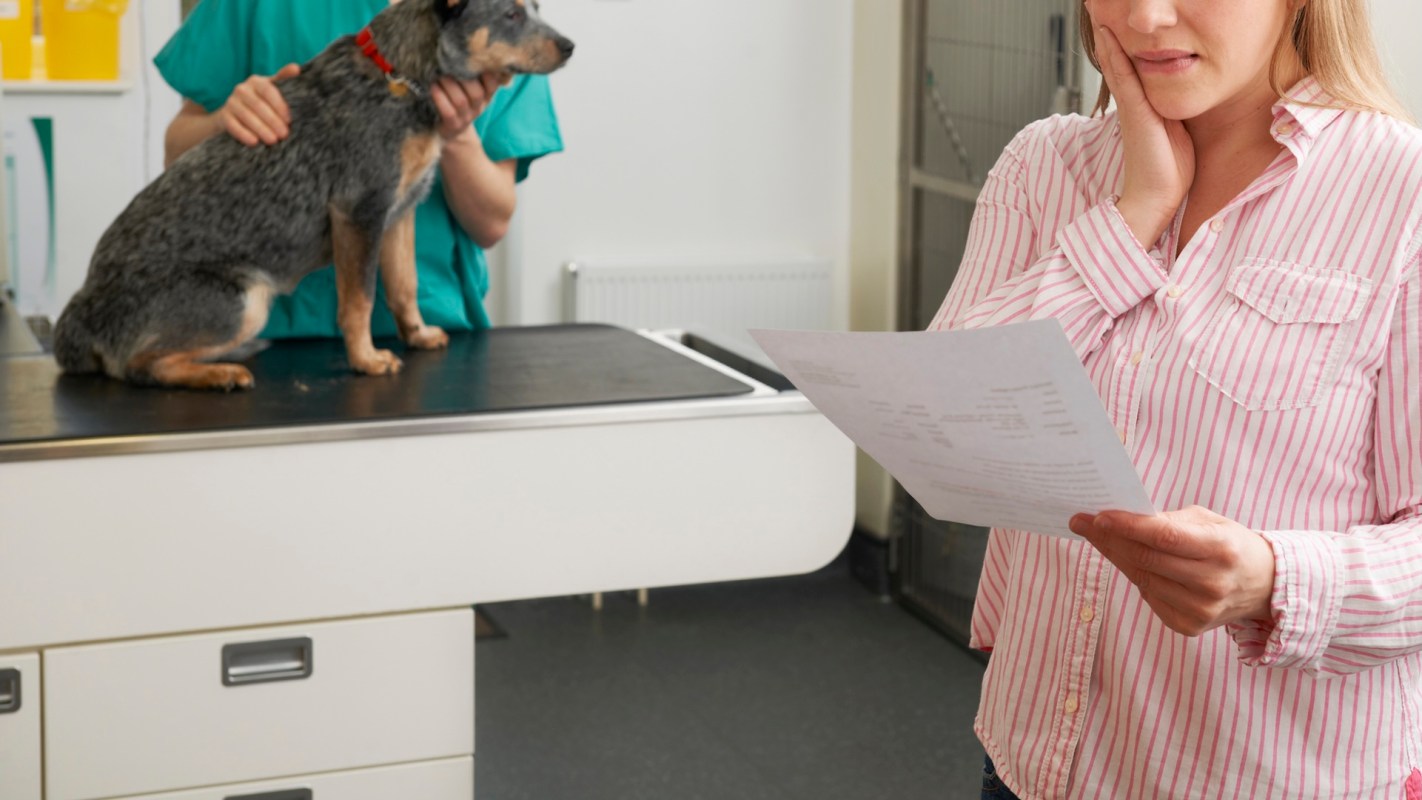
After paying roughly $13,000 in emergency vet expenses for a 10-year-old dog and a 7-year-old cat, one pet owner is rethinking whether pet insurance still makes sense.
They then took to Reddit's r/Frugal community to ask, "Is pet insurance a scam or a good investment?"
Here's what to know
In the Reddit thread, the original poster explained that both pets went through "a couple scary situations," with the combined cost reaching nearly $13,000. The OP added that they had carried pet insurance in the past, though the policies then seemed geared mainly toward younger animals.
They then wrote, "I love my babies and I want them to have long, healthy lives, but their medical bills are costing more than mine these days! What's the current wisdom here?"
Quickly, hundreds of other community members chimed in. Many replies focused on timing rather than bill size, arguing that insurance is most valuable only when you buy it before a pet develops serious issues.
This main warning was referring to preexisting conditions. Once a major problem has already surfaced, a new policy may offer significantly less help. As one commenter put it, "It's too late. They don't cover preexisting conditions. You need to buy and keep insurance when they are younger."
TCD Picks » Quince Spotlight
💡These best-sellers from Quince deliver affordable, sustainable luxury for all




A second user similarly wrote, "Your pets are too old and anything pre-existing will not be covered."
Another commenter took a practical stance, saying that "if you live paycheck to paycheck it probably makes sense to have pet insurance," but added that, "I'm not sure it's actually cheaper in the end." In this user's eyes, the tradeoff comes down to whether a household can weather an abrupt four- or five-figure vet bill without the steadier predictability of monthly coverage.
What can be done?
For people with younger pets with no known medical issues, commenters said the better approach is to start coverage early and keep it.
That logic changes after a diagnosis or expensive emergency, because preexisting-condition exclusions can leave a newly purchased policy covering far less than an owner expects. Several replies said buying insurance late might not address the immediate risk the original poster was worried about.
So households that would struggle with another $13,000 surprise may find more stability by securing insurance earlier in a pet's life. Households that can reliably pay those bills themselves, or set money aside for them, may weigh that against premiums that, as commenters noted, are not guaranteed to be cheaper over time.
Where can I learn more?
Big bills can pile up fast, whether they come from a pet emergency, a premium increase, or another surprise charge.
• In Albuquerque, a dog needed 2 rounds of antivenom after a hidden rattlesnake bite.
• In California, one family paid $10,000 for dog training before learning other pets had died there, too.
• A California Farmers customer saw a 6-month premium jump by $545 despite no claims.

Get TCD's free newsletters for easy tips, smart advice, and a chance to earn $5,000 toward home upgrades. To see more stories like this one, change your Google preferences here.






