


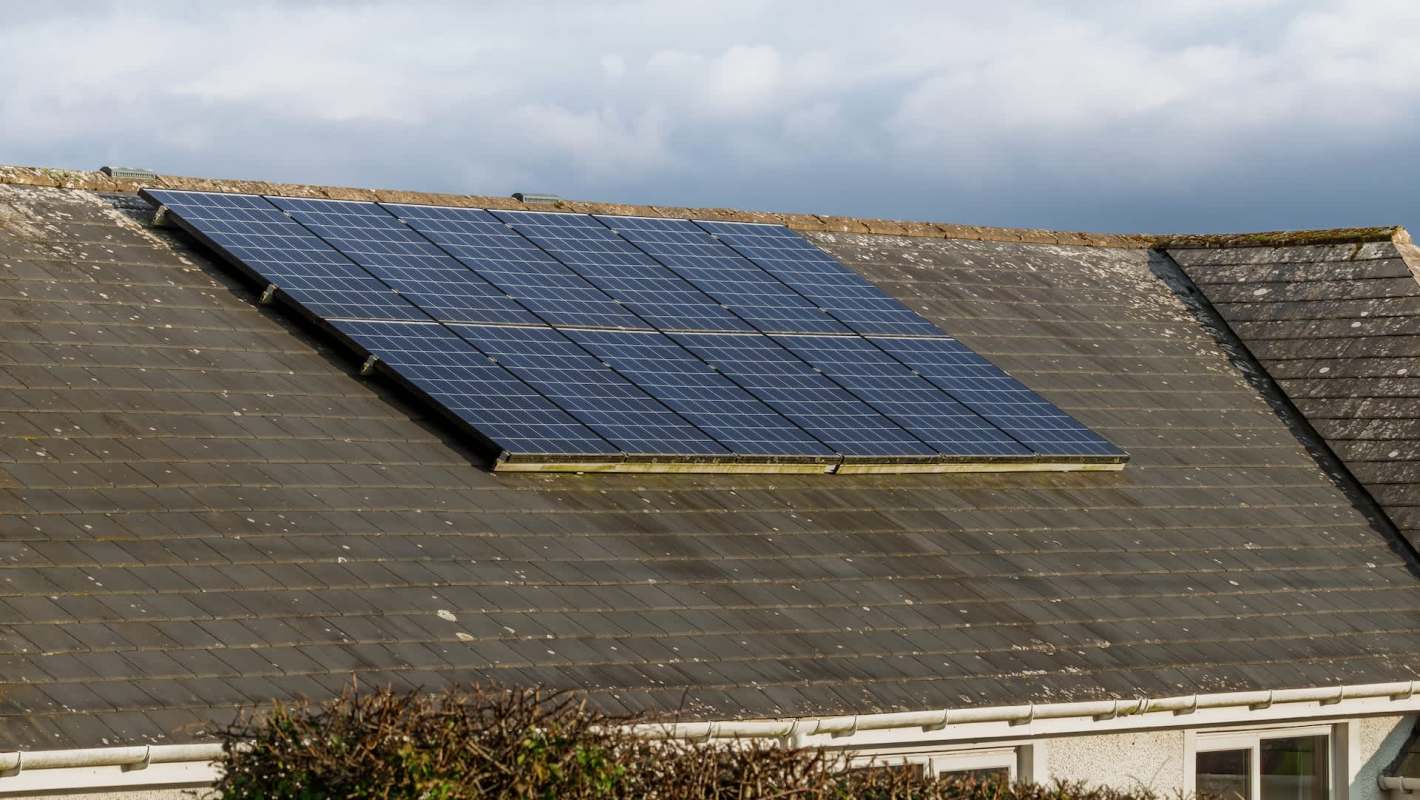
A U.K. homeowner with a small solar array facing south-east wants to know whether adding a plug-in solar panel on the afternoon side could help them export more solar energy.
They said strong midday production drops off sharply by late afternoon, and they asked whether adding plug-in panels would create complications because the system is tied to an older tariff.
Here's what to know
The discussion appeared in a Reddit thread on r/SolarUK, where they wrote that the southeast-facing 3-kilowatt array "peaks around 1pm on and by 4pm it's barely generating 300w most summers days" and asked whether plug-in panels might create complications because the setup is linked to a 2012-era feed-in tariff.
The poster said they were exploring a plug-in solar option to pick up more of the day's later sunlight and wanted to know whether plugging into the nearest socket on that circuit would change what the export meter counts.
The first reply focused on the tariff itself. The commenter asked whether the arrangement was FIT or SEG and warned that "editing an existing system can make it unfit."
Another commenter added, "If it is a FIT system, any extra export would be unpaid (FIT is paid based on the measured generation not export)."
For households on older solar tariffs, understanding the tariff structure can be as important as finding ways to generate extra electricity.
For homeowners weighing how to reduce electric costs, going solar is still one of the best ways to save money on home energy, and solar leases in particular can deliver hundreds of dollars a month in savings without any upfront costs. Readers who want a clearer sense of the numbers can use EasyHome to see their potential savings from vetted installers in their area.
Crushed by your bills? See instant solar savings from vetted installers in just a few clicks With energy prices through the roof, there's never been a better time to go solar — and EasyHome can help you find the best prices from the best installers in your area. EasyHome takes the guesswork and headaches out of energy upgrades by showing you estimated savings from a network of vetted local partners. To get started, just enter your ZIP and share a few details about your home — seeing your estimate is really that easy. |

More background
The homeowner considered a plug-in setup from the nearest outlet as an easier option than redesigning their rooftop setup, and said they wanted to "make the most of the dwindling later afternoon/evening sunshine."
The consensus in the comments was that adding plug-in solar to a system with a generation meter isn't as simple as it may seem.
A working setup attached to a tariff may be valuable enough that homeowners hesitate to alter equipment if the addition could be treated as a change to the original system, making it "unfit."
What can be done?
Before installing extra hardware, people with existing solar tariffs should pin down the exact export scheme tied to their system. In this case, the FIT-versus-SEG question raised in the first reply could determine whether the plug-in addition saves money on extra generation or threatens the existing tariff.
Comparison tools can help people understand solar's complexities before buying equipment or scheduling an installer. EasyHome offers a free explorer tool that can show vetted installer options and potential savings. EasyHome can also help readers explore backup battery storage, and pairing solar with a battery lets homeowners maximize savings and keep the power on when the grid goes down.
The homeowner wanted to avoid turning a plug-in solar setup into something that could undermine the value of the older tariff. They posted a reply detailing a more conservative approach: "I suppose I could simply get more solar panels fitted as my inverter as the inverter is a 3.5kw solar and it does have a spare input for a second string."
Where can I learn more?
These stories explore what happens when tariffs, panel additions, and system upgrades intersect. They cover adding panels, expansion pitfalls, export-tariff strategy, and the payback math behind rooftop solar.
• In the U.K., adding five extra solar panels cut one homeowner's payback by three years.
• One solar owner found mismatched volts or amps can drag down a four-panel expansion.
• In the U.K., charging a battery at 7p and exporting at 15p beat daytime use.
• Across the U.K., homeowners found bills fell fast, even when export payouts lagged.
• A U.K. homeowner said a 19-panel solar setup generated 284 kilowatt-hours in week one.

Get TCD's free newsletters for easy tips, smart advice, and a chance to earn $5,000 toward home upgrades. To see more stories like this one, change your Google preferences here.






