


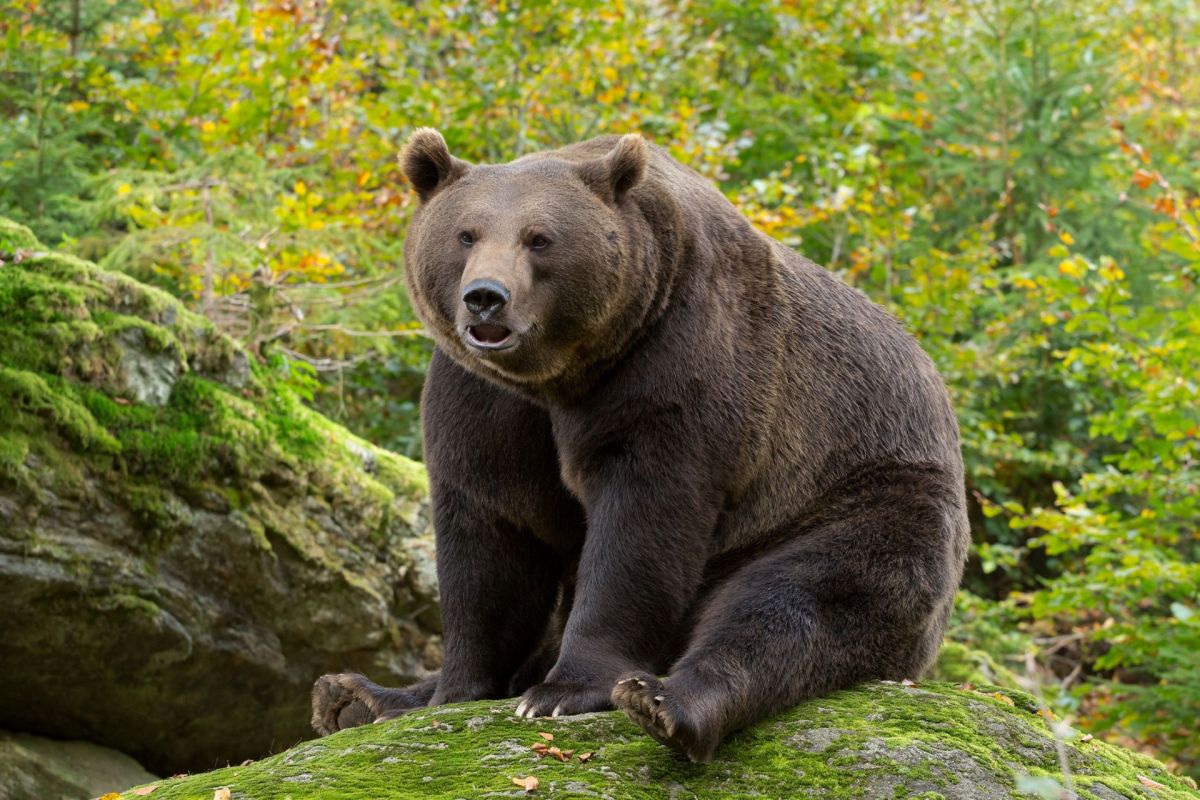
A rescued bear in Bosnia-Herzegovina has grown from a 4.4-pound cub into a 330-pound adult thanks to Petar Tubic, the electrician who saved her on Mount Ozren in 2019.
That bond has reshaped Tubic's life, and he now cares for dozens of animals near his home.
Here's what to know
The Associated Press reported that their connection began in 2019, when Tubic found Masa alone on Mount Ozren. At the time, she weighed only 4.4 pounds (2 kilograms) and likely wouldn't have survived alone. Tubic fed her milk and fruit until she recovered, and they have remained inseparable ever since.
At roughly 330 pounds (150 kilograms), Masa still acts like the tiny cub Tubic once brought home.
"The stuffed bear is the most popular toy in the world," Tubic told the outlet. "Now imagine having a real bear by your side who is irresistible, but also a huge responsibility."
That being said, this is a fully grown animal with a lot of strength. He said even harmless play can leave him bruised or with a torn hoodie.
TCD Picks » Quince Spotlight
💡These best-sellers from Quince deliver affordable, sustainable luxury for all




"That's a fact," he noted to the AP. "A push of her paw could knock someone out."
Tubic also took in another female bear, Ljubica, who also lives there.
More background
The publication said Masa and Ljubica have helped turn Tubic's home on Mount Ozren into a tourist draw, with visitors coming to see the bears, two wolves, deer, raccoons, and numerous other rescued animals.
The animals share the home with Tubic, his wife, Milica Tubic, and their 9-year-old daughter, Eva. Outside of his work as an electrician, Tubic enjoys paragliding, caving, and hiking, but he said the family's greatest joy comes from spending time with animals.
"People often say that they are my pets, but I would turn that around and say I am more of a pet to them," he explained to the AP. "They shaped my life, and I shaped theirs in some way."
What's being done?
Tubic has considered releasing the bears, but returning rescued wildlife to nature is not always simple. The outlet reported that he worries their comfort around humans would endanger them in the wild.
A lack of fear of humans can make the bears reliant on humans for food and lead to interactions that could become violent.
As it stands, the electrician's passion and curiosity for the bears still burn bright after seven years, and he's happy to spend more time with his animals. Tubic suggested to the AP that the bears offer a link to the "real world" that transcends screen time.
"They opened a door to me to a world I didn't know existed, or maybe to the one I had never paid much attention to," he concluded to the publication. "You could say we've been educated together."
Where can I learn more?
Rescued bears can take a long time to adapt after captivity, injury, or separation from their mothers.
• At a sanctuary, a rescued moon bear spent 23 years with only a tiny hole to daylight.
• After 21 years on a bile farm, moon bear Fern takes her first steps outside.
• At New Mexico's lone bear rehab, orphaned cubs learn to forage without their mothers nearby.
• In Indonesia, a confiscated sun bear returns to the wild after a year of rehab.

Get TCD's free newsletters for easy tips, smart advice, and a chance to earn $5,000 toward home upgrades. To see more stories like this one, change your Google preferences here.







