


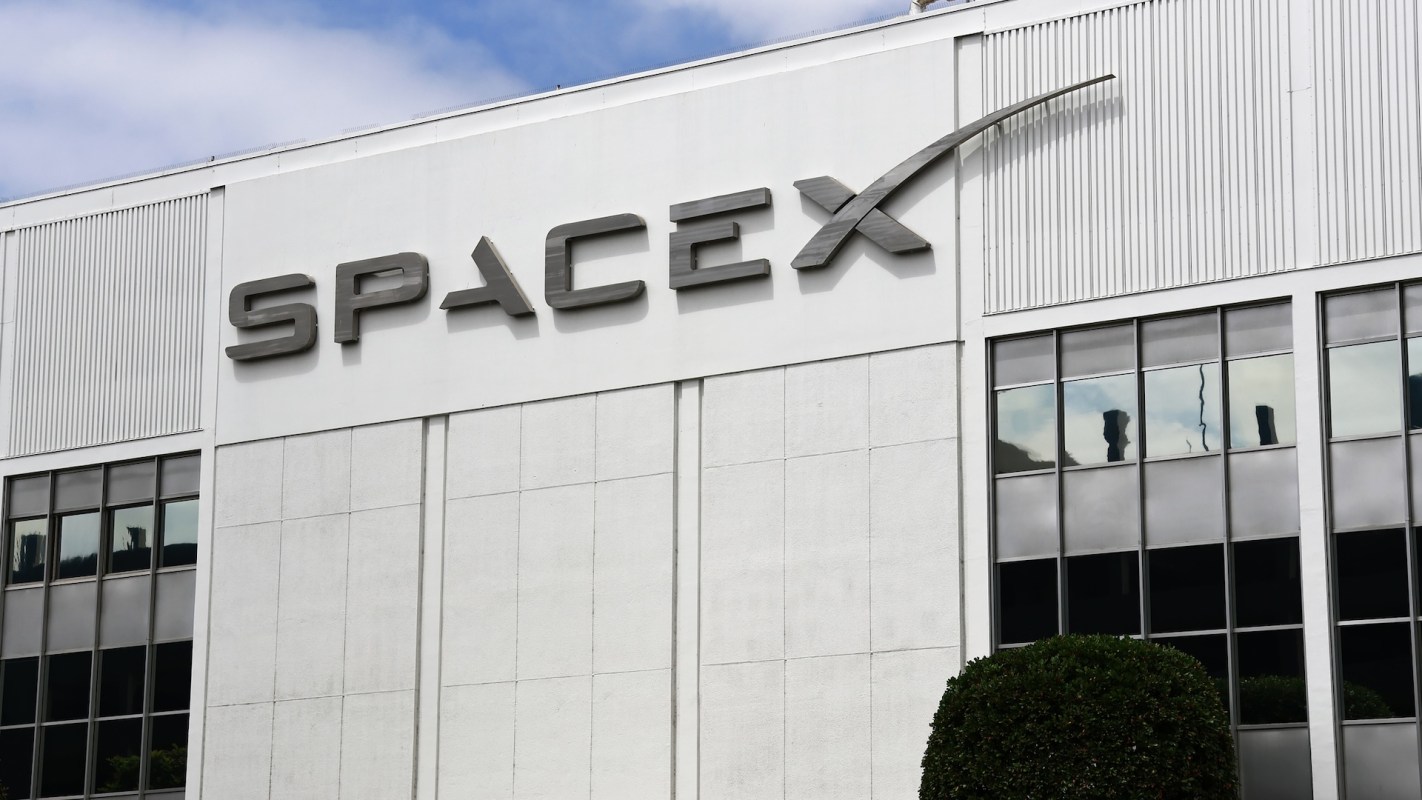
Residents are suing a pair of Vermilion Parish government bodies after they granted SpaceX a tax break for its $100 billion spaceport near Louisiana's Pecan Island, arguing the deal was so opaque that officials used a code name: "Project Osprey."
Here's what to know
For locals who may soon live beside rocket launches, the lawsuit filed Oct. 26 against the Industrial Development Board of the Parish of Vermilion and the Vermilion Parish Police Jury argues that officials made major decisions before residents had a meaningful chance to weigh in.
According to Gulf States Newsroom, the plaintiffs ask a judge to undo the industrial development board's Aug. 25 approval of a payment-in-lieu-of-taxes, or PILOT, agreement tied to the spaceport.
The plaintiffs are the Vermilion Citizens Coalition and Pecan Island residents Dr. Robert J. Young III, Rebecca C. Young, and Cheryl Choate.
Their attorney, William Most, told Gulf States Newsroom that the law is intended to "make sure that our public officials are working for us, not the other way around."
The petition says using the code name "Project Osprey" on a public agenda violated Louisiana's Open Meetings Law. Other alleged violations include failing to announce the meetings publicly and the failure to notify the state commissioner of administration.
TCD Picks » Quince Spotlight
💡These best-sellers from Quince deliver affordable, sustainable luxury for all




More background
The proposed spaceport would affect land use, public revenue, and local oversight.
"If it comes to pass, the $100 billion SpaceX spaceport proposed for 125,000 acres of coastal marsh in Vermilion parish would be the biggest change to landscape, culture, economy, and environment in the history of the parish — for better or for worse," the lawsuit states.
According to the Gulf States Newsroom, the board, which had been brought back at a July 15 police jury meeting after nearly three decades of inactivity, approved the tax deal in less than 30 minutes on Aug. 25. At a July 23 meeting, board lawyer Mike Busada told members that because the board lacked a website, posting notice somewhere in the courthouse was enough. In a recording of the meeting, a board member is reportedly heard joking, "Back door?"
A review of records by the Gulf States Newsroom found the parish payments would begin at $25 million annually and rise 2% each year for 25 years, totaling about $800 million. But the estimated property-tax exemption at nearly $23.8 billion over the same period would mean the payments amount to roughly 3 cents for every tax dollar SpaceX would otherwise owe.
What's being done?
Rather than challenging the entire project, the lawsuit focuses on the government's responsibility to the public. "This is not a lawsuit against SpaceX or the starbase — it is a lawsuit against public malfeasance and for good government," the suit states.
Residents are also organizing outside the courtroom. Melissa Hargrave of Vermilion United said redoing the meetings could give the public a chance to better understand what was offered and what the parish may have given up. "Something that big should not have been done behind closed doors," she told Gulf States Newsroom.
Hargrave added that even if the PILOT agreement is overturned, it would not undo everything, since SpaceX also has separate cash sale and cooperative endeavor agreements with the state that even the media has not been able to obtain.
Vermilion United has been gathering records, consulting independent experts, and collecting baseline soil and water samples, with no full federal environmental review expected.
"Our ultimate goal is to be able to get enough information to the public so they can make informed decisions about their future before any rockets start launching here," she concluded.
Where can I learn more?
This fight in Vermilion Parish is part of a broader pushback over how big development deals are approved and pitched to the public.
• In Cassopolis, residents delayed Fibrosan's $12 million tax break after packing a council meeting.
• A Dallas Stars arena proposal sparked a tax revolt before voters weighed in.
• In Texas, neighbors forced Project Tomahawk back to review on a 39-acre data center site.
• In Kentucky, a hyperscale developer used housing law against residents challenging its zoning approval.

Get TCD's free newsletters for easy tips, smart advice, and a chance to earn $5,000 toward home upgrades. To see more stories like this one, change your Google preferences here.






