


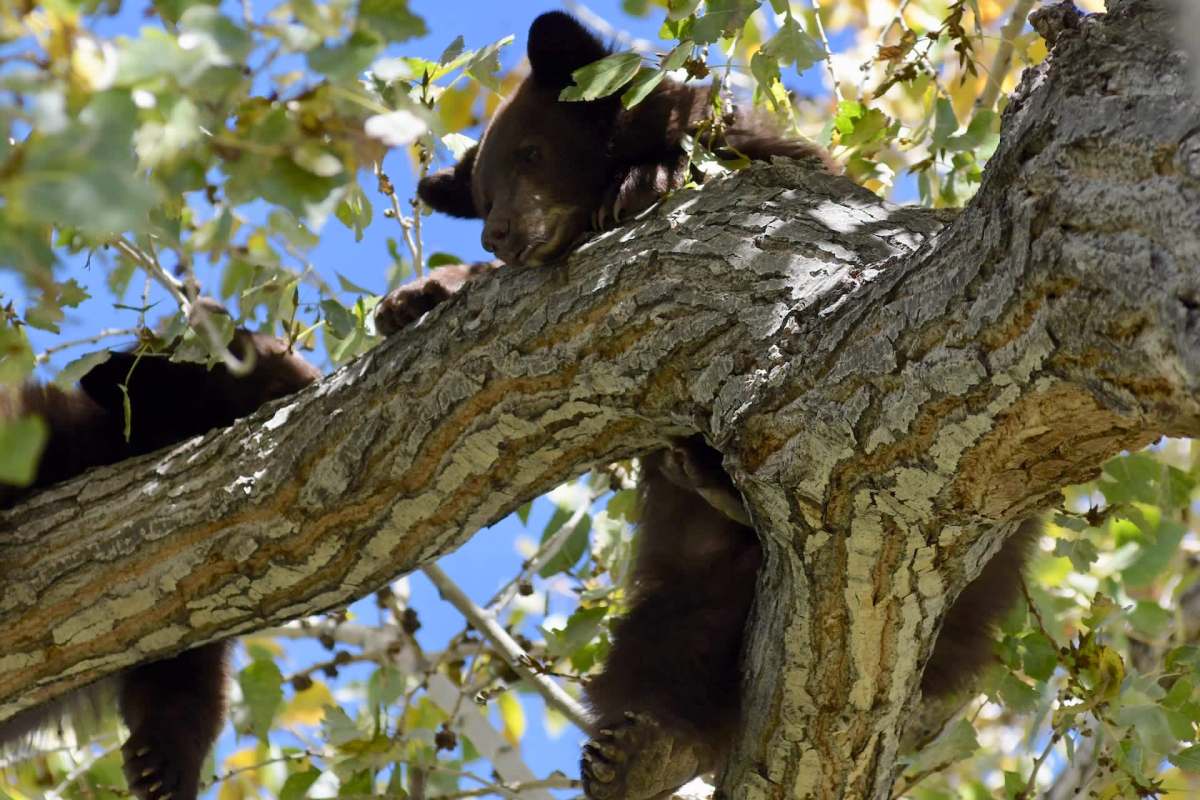
An unusual wildlife rescue unfolded at Tanoan Country Club in northeast Albuquerque when a mother bear and her two cubs were spotted in a tree on the golf course.
Here's what to know
According to the Albuquerque Journal, Albuquerque Fire Rescue was called to the course shortly after 12:30 p.m. to help the New Mexico Department of Wildlife handle the bears.
In an email, New Mexico Department of Wildlife spokesperson Darren Vaughan said the mother bear died from injuries sustained during the sedation and trapping process.
Albuquerque Fire Rescue said in a Facebook post that using an aerial ladder truck to reach the cubs in the tree was not considered the safest option.
"Getting an aerial apparatus into position to access the cubs would have been challenging," the post stated.
Instead, the fire department said responders chose a ground approach for the young bears.
TCD Picks » Quince Spotlight
💡These best-sellers from Quince deliver affordable, sustainable luxury for all




"It was determined that the safest course of action would be for NM Game and Fish to set traps for the cubs," the post said.
The plan, Vaughan said, was to move the two cubs to a "suitable bear habitat away from populated areas," according to the Albuquerque Journal.
"Wildlife rescue situations can be unpredictable, and despite using the safest methods available, there are inherent risks," he said.
More background
The incident came as bear activity increased across New Mexico, with sightings reported in Albuquerque, Santa Fe County, and the East Mountains.
Officials have tied that rise to drought conditions, saying bears are moving closer to people in search of food and water. When those natural resources are harder to find, neighborhoods, golf courses, and other developed spaces can draw them in.
Once bears begin connecting homes with easy access to food or water, run-ins with residents become more likely.
What's being done?
Along with relocating the two cubs, Vaughan said the department is trying not only to respond to bear sightings, but also to prevent bears from becoming too accustomed to people, which can raise the risk of future conflicts.
"The Department's priority is to keep bears alive and prevent them from becoming habituated to people," Vaughan said, per the Albuquerque Journal. "The best way to accomplish this goal is to eliminate food and water sources around homes."
Where can I learn more?
Other bear rescues show what can happen when cubs are separated from their mothers and later handled by wildlife officials.
• At New Mexico's lone bear rehab, orphaned cubs learn to forage without their mothers.
• In Colorado, responders rescued a cub from a tree before tagging and relocating it.
• In Manitoba, Canada, staff flew an orphaned polar bear cub to a zoo after its mother's death.

Get TCD's free newsletters for easy tips, smart advice, and a chance to earn $5,000 toward home upgrades. To see more stories like this one, change your Google preferences here.







