


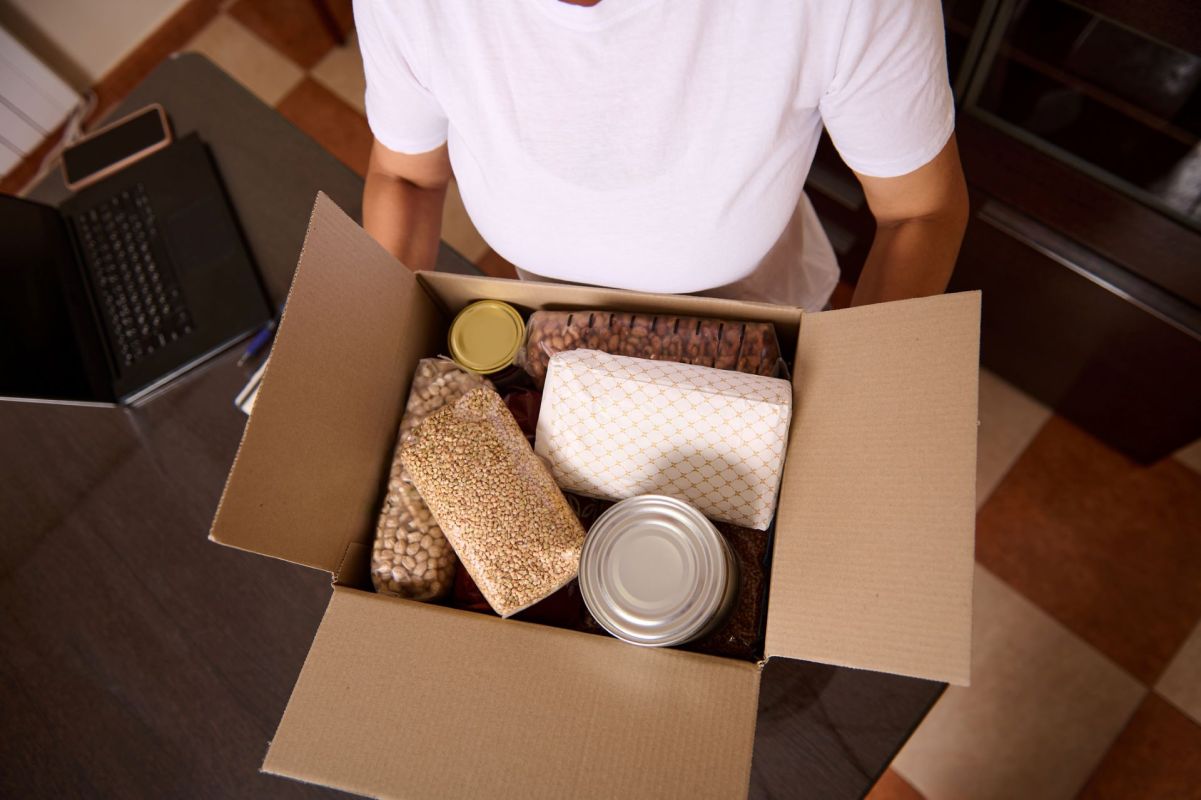
After evacuating from bushfires and floods, many Australian parents are rethinking the label "doomsday prepper."
Planning and stockpiling that once sounded extreme is increasingly being viewed as a practical response to a hotter, more disaster-prone future.
Here's what to know
Governments in the United Kingdom, France, Ireland, and the Netherlands are urging residents to prepare for disruptions to daily life, and that broader push is helping refocus attention on household emergency planning in Australia.
But the Australian conversation focuses less on war or cyberattacks than on climate-fueled disasters, according to The Conversation.
Rather than treating emergencies as short-lived inconveniences, Australian government advice generally holds that households should keep provisions on hand for at least 72 hours.
Typical recommendations include potable water, shelf-stable food, flashlights, batteries, communication devices, a basic medical kit, and a 7-day supply of essential medicines.
TCD Picks » Quince Spotlight
💡These best-sellers from Quince deliver affordable, sustainable luxury for all




Some official checklists go further, advising people to store evacuation-ready documents together, including passports, birth certificates, and property deeds.
Researchers spoke with parents and carers in disaster-affected parts of Australia whose firsthand experience of such emergencies changed how they view preparedness.
"I never thought I'd ever be like a doomsday prepper, but it's in the back of my mind. I'm almost going to start, like, collecting food and stuff because I'm so paranoid about what's going to happen," one parent revealed.
Among families that have already been through potentially deadly evacuations, this kind of readiness appears to be moving further into the mainstream.
The goal isn't the conspiracy-driven image often tied to the word "prepper," but practical readiness to get through bushfires, floods, and extended outages.
More background
Disaster preparation in Australia is partly shaped by the way modern infrastructure operates.
Older copper landlines may still work during local power outages because they run on the telephone network, while mobile phones, laptops, and many other common devices rely on mains electricity and functional mobile towers.
Because those systems can fail, fires, storms, and floods can disrupt households more severely than many people expect.
That helps explain why preparedness plans often go beyond food and water to include fuel, cash, bedding, baby supplies such as diapers and formula, and evacuation plans for pets.
With the Bureau of Meteorology forecasting a "strong to very strong" El Niño phase, much of Australia's interest in prepping seems tied to climate change rather than fears about "super viruses or AI."
Resilience measures are not equally accessible to everyone.
Electric cars and rooftop solar batteries can help some households manage disruptions, and the Clean Energy Council said rooftop solar battery installations had increased fourfold.
Still, those upgrades can be expensive, and home battery systems are typically most accessible to homeowners.
What can be done?
In practice, for most households, prepping looks a lot like following official emergency guidance.
That means keeping 72 hours of supplies on hand and having important documents, cash, and fuel ready in the event roads, power, or communications fail.
Rather than building elaborate survival setups, families may benefit more from kits tailored to their actual needs. They can include extra clothes, wipes, bottles, toys, and formula for children, along with separate evacuation and care plans for pets and other companion animals.
Everyday disaster preparation isn't the same as more extreme self-sufficiency projects.
Some Australians may want to produce their own electricity or secure independent water supplies, but most disaster-preparedness efforts don't align with conspiracy-oriented prepping culture.
Basic preparedness can reduce stress during bushfire season or extreme heat without requiring households to go fully off-grid or make costly changes they cannot afford.
After evacuating during a climate disaster, one parent told researchers that prepping gave them peace of mind.
"I'm feeling a lot more prepared for other situations. I think I'd be able to deal with it a little bit better and [be] a little bit more practical," they observed.
"I wouldn't describe myself as a prepper, but just a little bit more prepped than I was," said another.
Where can I learn more?
Families elsewhere are making similar plans as outages and disaster risks become harder to ignore.
• One parent said reaching their teen at school was the biggest fear in a grid-down emergency.
• In the UK, a power cut alert pushed a new parent to start prepping.
• In North Carolina, a couple cut off for 80 hours after Helene said a generator was crucial.

Get TCD's free newsletters for easy tips, smart advice, and a chance to earn $5,000 toward home upgrades. To see more stories like this one, change your Google preferences here.






