


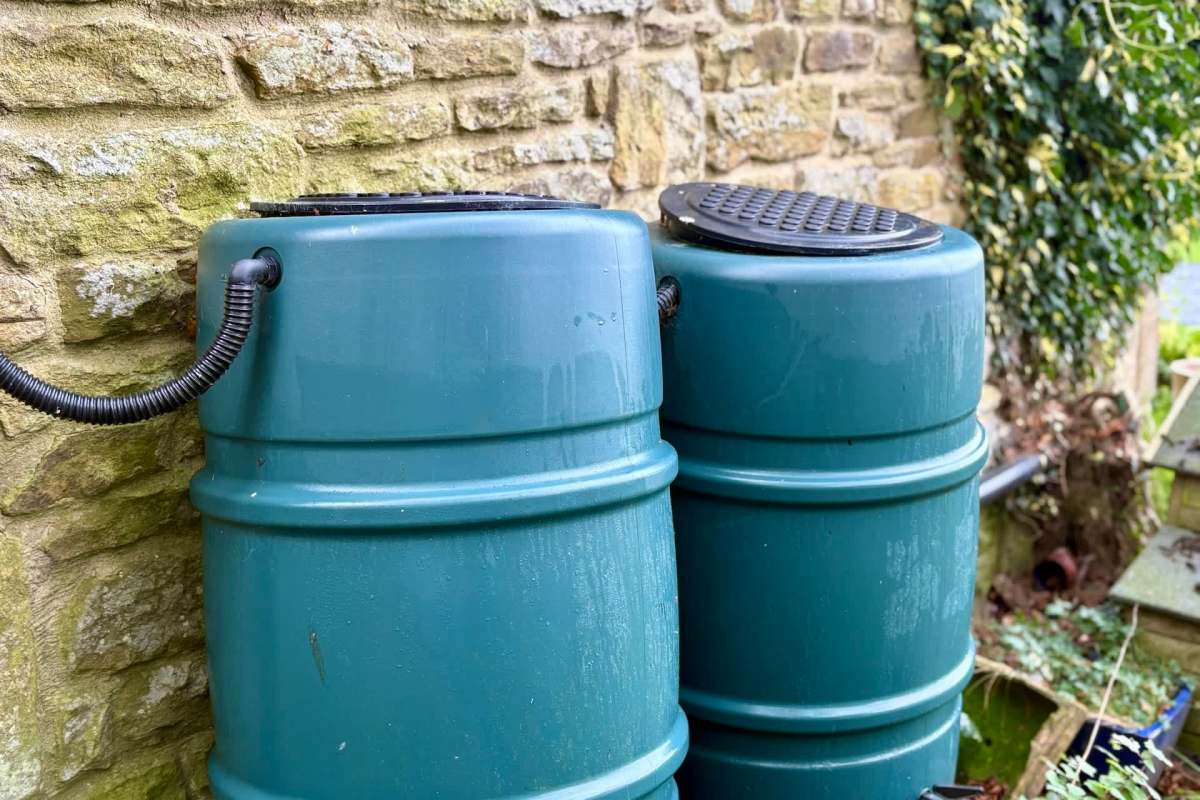
A U.K. prepper with little room for bottled water indoors but two outdoor water butts holding just over 105 gallons of rainwater asked Reddit if they could make that supply safe to drink during a power outage.
Here's what to know
The question appeared in a discussion on r/UKPreppers.
Looking for a backup plan that would still work without electricity, the poster wrote: "I don't have much space to store bottled water, but I do have two water butts outside that between them hold just over 400 liters of rainwater. Obviously if the power was working I could boil this for drinking water, but what if it was out? Is there another way to make water safe to drink?"
Several replies said purification tablets would not solve the problem because they do nothing about the visible matter and debris that can end up in roof-collected rainwater.
One commenter said the water needs to go through a filter first, naming a Sawyer Squeeze or similar system, and they added: "It would be very easy to get very ill from very little rainwater if you get it wrong."
Another user summed up the treatment order: "Filter then sterilise." That commenter said roof runoff may include bird droppings and other contamination, adding that boiling can still be required because chlorination doesn't remove every microorganism.
TCD Picks » Quince Spotlight
💡These best-sellers from Quince deliver affordable, sustainable luxury for all




The poster accepted that point, replying: "I hadn't really thought about filtering it, but now everyone says it it's pretty obvious."
More background
Users emphasized that water gathered from a roof should not be thought of the same way as clean rain falling straight from the sky.
One commenter noted that roof tiles and gutters "are not made from food-safe materials" and added that heavy metals and other debris may enter the water before it reaches a butt.
People also flagged the timing of collection as a problem. According to one comment, water butts often collect the first water off the roof, when the surface is at its dirtiest, instead of the later flow after rain has already washed things down.
What can be done?
Rather than storing large quantities of bottled water indoors, the original poster already had more than 105 gallons sitting outside, making rainwater seem like an appealing emergency backup — if it can be treated safely.
One commenter said they bought a Millbank filter bag for this purpose and described it in the Reddit comment as a tightly woven canvas bag for an initial filtering stage. They also explained that it should be soaked well beforehand so the material expands before use.
For a simpler temporary approach, other commenters suggested passing the water through two coffee filters before disinfecting it. The original poster said they had cheesecloths on hand but would look for "something better suited to the task."
Commenters also discussed ways to boil water without relying on electricity during a power cut. Suggestions included a small brick fireplace and a camping stove fueled by bottled gas canisters.
A commenter also shared U.K. government guidance for situations where boiling is not possible: Use unscented household bleach at about one-quarter teaspoon per 2.6 gallons of water, and let it stand for 15 minutes.
Where can I learn more?
These stories highlight how rainwater can be made safe enough to drink. They follow cabin owners, homesteaders, and off-grid households as they deal with filtration, roof materials, and storage choices.
• A West Coast cabin owner pursued potable rainwater on a budget, and off-gridders debated ultraviolet treatment.
• Homesteaders warned that rainwater from a coated metal roof still may not be safe.
• At Australia's Zaytuna Farm, roof water is cleaner than groundwater, with food covering minerals.
• One off-grid builder weighed a standing seam roof for cleaner rainwater despite the $22,000 price.
• An off-gridder began with a 55-gallon drum and found rain harvesting "very liberating."

Get TCD's free newsletters for easy tips, smart advice, and a chance to earn $5,000 toward home upgrades. To see more stories like this one, change your Google preferences here.






