


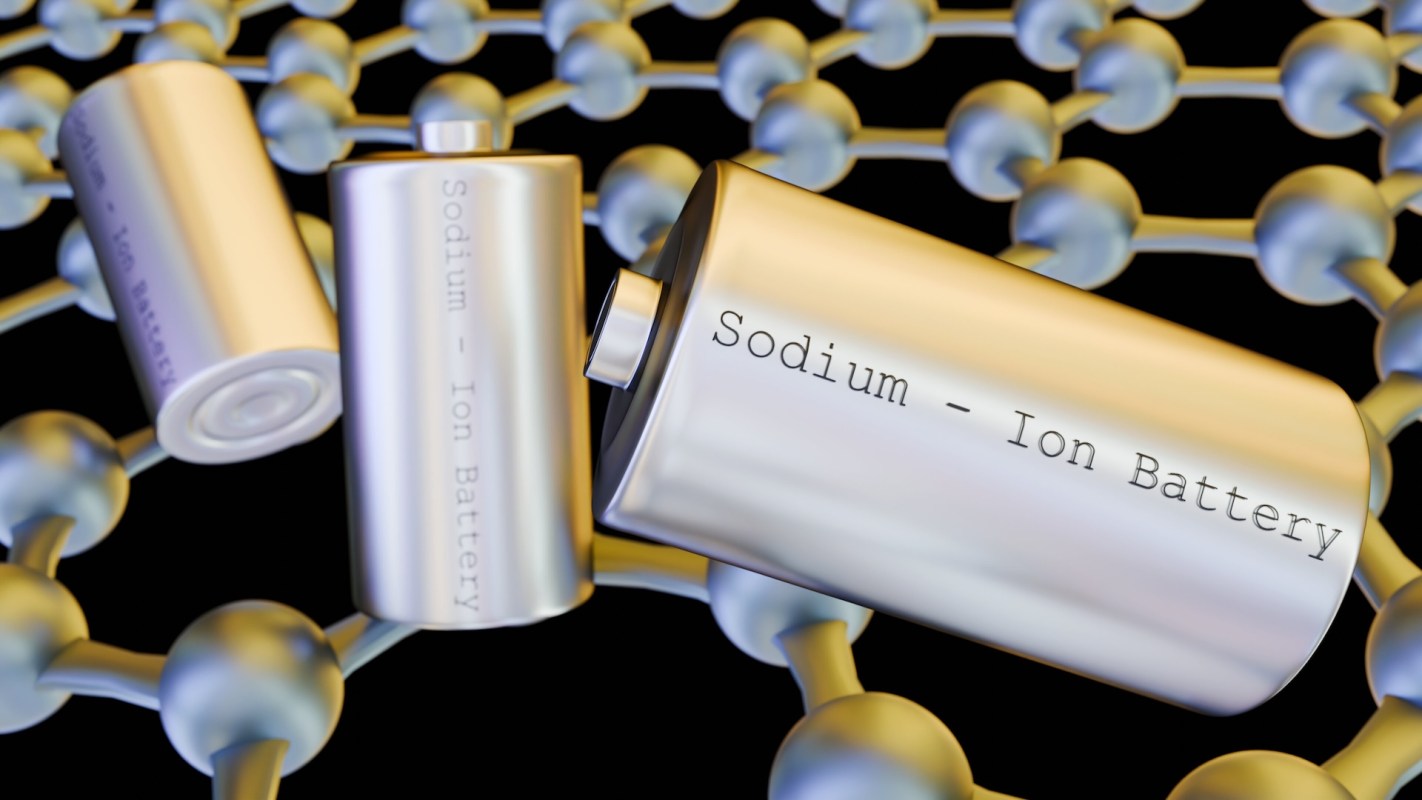
Sodium-ion batteries are drawing renewed interest as a possible alternative to lithium, especially as supporters argue the chemistry performs better in extreme temperatures.
But a review by Pennsylvania and New Jersey installer Exact Solar suggests the technology is still far closer to an emerging option than a mainstream home energy staple.
Here's what to know
According to Exact Solar on Substack, sodium-ion batteries are beginning to reach the market, but the technology is not yet mature enough for widespread use in homes or large commercial installations.
One major reason for the interest is materials sourcing. Lithium comes from a limited number of mining regions, and much of the processing needed to turn it into batteries is concentrated in China. Sodium, by contrast, is far more common and less tied to scarce or disputed supplies.
Harsh weather may also favor the chemistry, with Exact Solar saying sodium cells can keep delivering power in temperatures from about -40 degrees Fahrenheit to 140 degrees Fahrenheit. Adding battery storage is one of the best ways to protect a home during outages, save money on energy, and gain more energy independence. Homeowners can compare options through EnergySage, which has teamed up with electrification brand Qmerit to help homeowners get the best price on home battery storage solutions.
More background
At the same time, sodium cells need more material to hold the same amount of energy, which means their manufacturing pollution per kilowatt-hour is currently somewhat higher than that of lithium batteries.
Even so, Exact Solar cited Morgan Stanley Research as expecting sodium to account for roughly 2% of new battery storage deployed in 2027, then 20% by 2030 and 37% by 2035.
Cooling needs could be another area where sodium has an edge. Exact Solar said large lithium installations depend on hardware such as chillers, fans, refrigerant, and filters, while Peak Energy says its passively cooled sodium system is "still at 85% health after 20 years, versus around 65% for liquid-cooled lithium."
Crushed by your bills? See instant solar savings from vetted installers in just a few clicks With energy prices through the roof, there's never been a better time to go solar — and EasyHome can help you find the best prices from the best installers in your area. EasyHome takes the guesswork and headaches out of energy upgrades by showing you estimated savings from a network of vetted local partners. To get started, just enter your ZIP and share a few details about your home — seeing your estimate is really that easy. |

The products reaching market have mostly been on the smaller side. Exact Solar highlighted Bluetti's 900-watt-hour sodium-ion camping unit as an early portable example and noted that Time Magazine named it one of its best inventions.
What's being done?
Exact Solar said smaller applications will likely adopt sodium batteries first, while residential and commercial systems will take longer because they come with higher costs and much higher performance expectations.
That caution extends to contractors, too. Exact Solar said reputable solar installers look for batteries with established long-term results and dependable warranty backing, which is why it still supports lithium batteries.
For households that want backup sooner, Pila offers another battery option, and its plug-and-play batteries are priced at a fraction of what a whole-home backup system would cost.
Where can I learn more?
These stories take a closer look at how sodium-ion batteries stack up against lithium and how they hold up in real-world setups. They cover replacement timelines, solar backup tradeoffs, off-grid use, and battery performance in winter cold.
• A new index shows when they can replace lithium-ion in lower-cost battery applications.
• In Colorado, experts say salt batteries for solar backup still trail lithium-iron phosphate on safety.
• In Germany, a homeowner went fully off-grid with sodium-ion after rejecting indoor lithium.
• A DIY solar builder asked whether a 48-volt battery bank could top EcoFlow's limit on sub-zero days.

Get TCD's free newsletters for easy tips, smart advice, and a chance to earn $5,000 toward home upgrades. To see more stories like this one, change your Google preferences here.






