


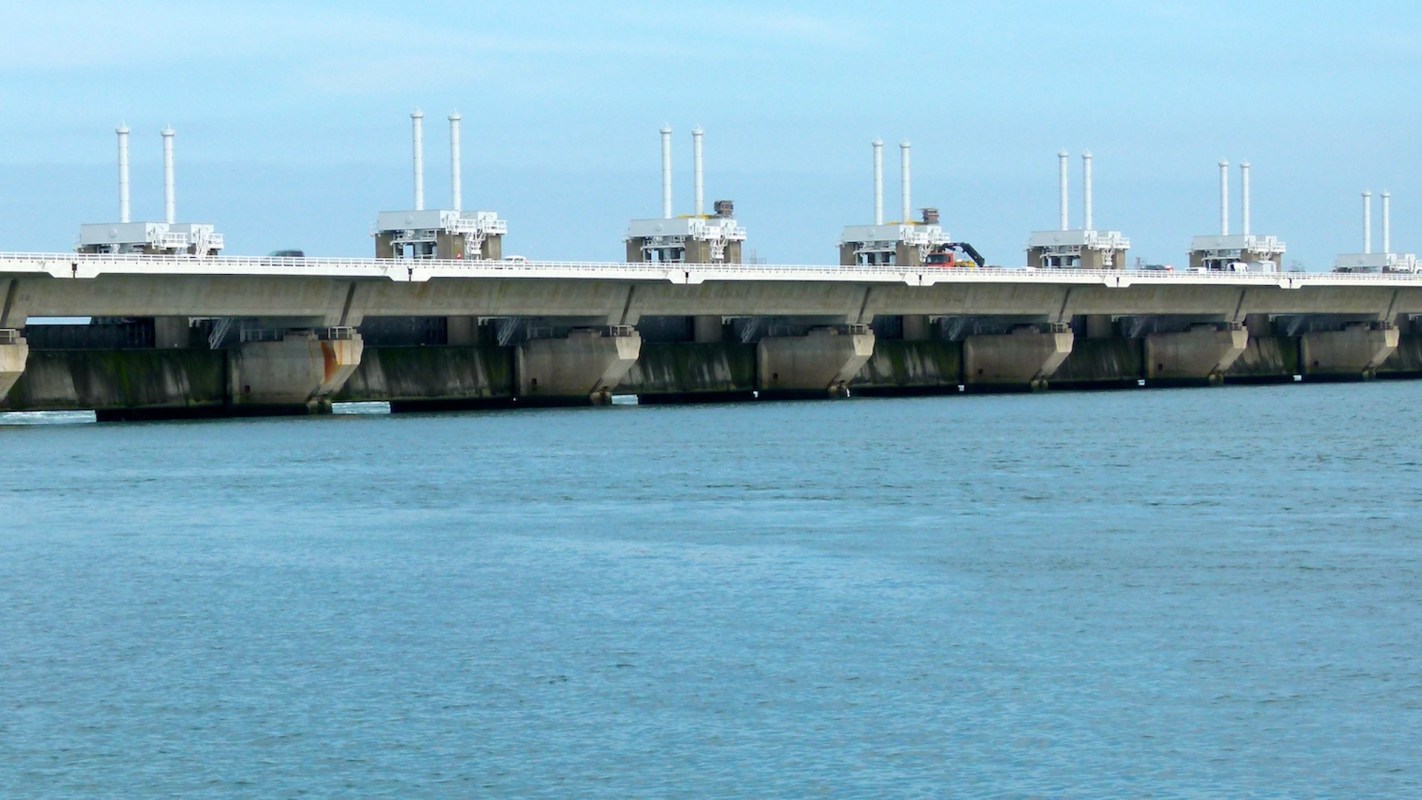
The pitch for tidal power is simple: "Wind can stop and the sun can set, but the tides never take a break," as Interesting Engineering put it. The engineering itself, however, has proved to be very difficult.
Tidal consistency helps explain why the United Kingdom and France are continuing to back a renewable technology that carries a higher per-megawatt-hour price than wind or solar.
Here's what to know
According to a YouTube video by Interesting Engineering (@interestingengineeringie), tidal stream projects are moving past pilot phases and into grid planning in Scotland, France, Japan, and Alaska. The technology works by placing submerged turbines in fast-flowing locations such as channels, straits, and estuaries, where tidal currents can be converted into electricity.
Worldwide deployment is still limited to about 20 megawatts, though that could rise to 400 megawatts in the early 2030s if planned projects in the U.K. and France are completed. Costs remain high. Interesting Engineering reported that it was £259 ($343) per megawatt-hour, but the industry is targeting £50 ($66) by 2035 — an 80% cut.
"It's not just about the cheapest cost of energy; it's about the cheapest system cost of energy," Danny Coles of the University of Oxford said, noting tidal can complement wind and solar with consistent and timed output that grid operators can forecast well in advance.
"If tidal can reliably reduce the need for expensive backup generation during wind lulls, its value for combatting climate change may be much higher than the headline price suggests," one commenter wrote.
TCD Picks » Quince Spotlight
💡These best-sellers from Quince deliver affordable, sustainable luxury for all




More background
A big reason tidal power expanded more slowly than wind and solar is the environment it works in. Tidal power systems have to operate underwater, in conditions shaped by salt water, high pressure, sediment, and strong currents that make building and maintenance difficult.
Tidal energy company Orbital Marine Power is pursuing a floating design. CEO Andrew Scott highlighted the company's O2 platform, a 72-meter (236-foot) structure with two 20-meter (66-foot) rotors, saying in the video that the equipment can be brought to the surface for repairs with a small workboat instead of requiring divers or offshore cranes.
Targeting the benefits of the seabed, Proteus Marine Renewables is arguing for a different path. CEO Drew Blaxland said seabed-mounted turbines avoid visual impact and navigational concerns, and he noted that Proteus has generated tidal electricity in six countries. He added that subsea systems may be especially well-suited to open-water markets such as the English Channel and French coast.
If tidal power proves its worth, nearby communities could gain more dependable, cleaner electricity while relying less on expensive gas plants when weather conditions work against other renewables.
What's being done?
The goal is to turn prototypes into commercial projects. Coles said investors still want evidence that turbines can operate for extended periods without intervention since that would lower risk, reduce insurance costs, and push prices down.
Scotland and France look like the places for those tests to happen. Blaxland said Proteus already has about 60 megawatts of consents in Scotland, with another 60 to 70 megawatts approved for competitors. He also said France has close to 30 megawatts of pilot projects awaiting approval and has committed to 250 megawatts starting in 2030.
Established projects and grid access may offer the best indication of whether tidal power can secure a lasting role in the energy mix. Blaxland said it could eventually supply about 11% of the U.K.'s energy needs, while Coles said he hopes global installed capacity reaches the gigawatt scale.
For Coles, the technology's biggest advantage is systemic. "That is a very unique feature of tidal energy, which isn't found really in any other form of renewable energy, which is the very, very predictable nature of it," he told Interesting Engineering.

Get TCD's free newsletters for easy tips, smart advice, and a chance to earn $5,000 toward home upgrades. To see more stories like this one, change your Google preferences here.






