


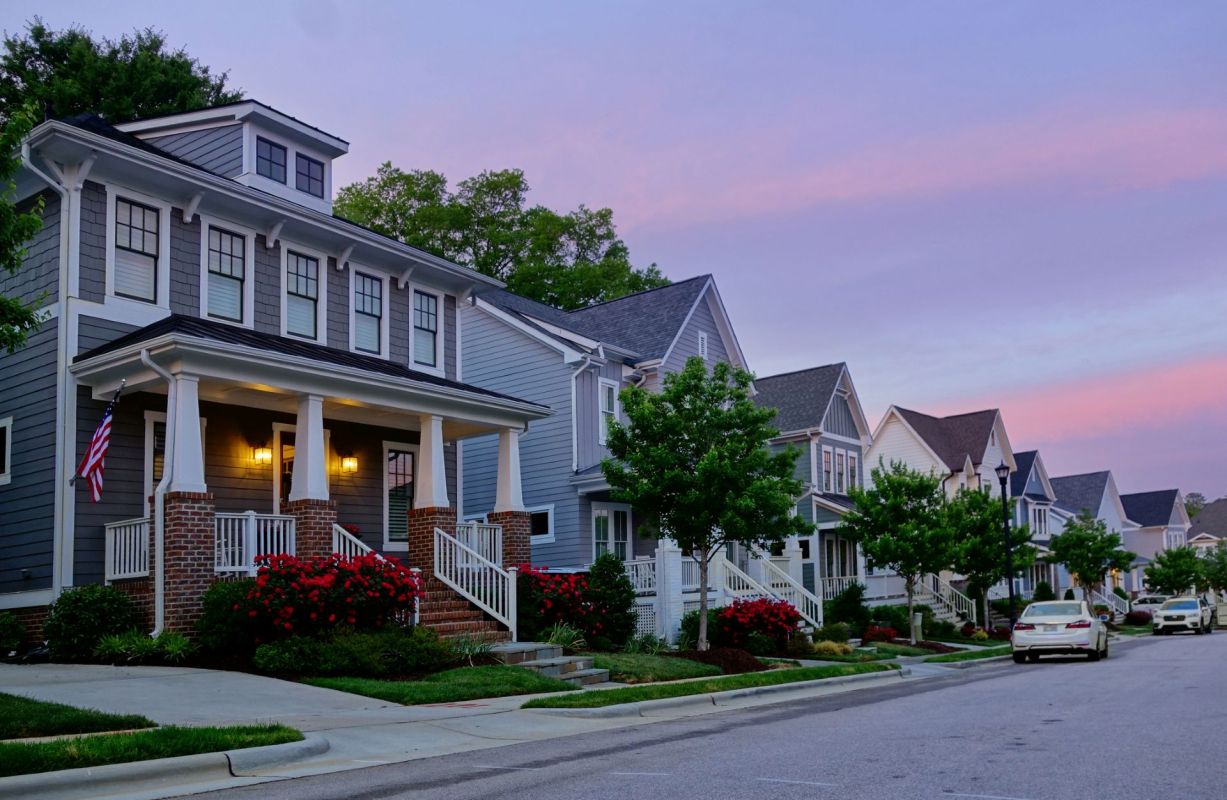
A ballot question before North Carolina voters would write a property-tax restraint into the state constitution, affecting how much property-tax revenue counties and cities may take in. The measure leaves the actual ceiling unstated.
That lack of specificity has many local officials worried. County and city leaders say an eventual cap could tighten funding for schools, public safety, and social services as costs rise.
Here's what to know
If approved, the amendment would place a property tax limit in the North Carolina Constitution, but lawmakers in the General Assembly would later decide what that limit looks like, according to WRAL News. An Elon University poll found that 72% of likely voters backed the proposal, 14% opposed it, and 14% said they were unsure.
Backers describe the idea as protecting homeowners, especially in fast-growing communities where reassessments can sharply raise tax bills. Making the case for a levy cap, the John Locke Foundation said such limits can still let revenues rise with inflation and population: "Levy limits do not require local governments to reduce their existing budgets and, when well-designed, allow revenues to increase with inflation and population growth."
Opponents focus less on tax relief than on the amendment's open-ended wording. They argue that without clear terms, it could restrict local governments' ability to pay for core services, a point the NC Budget and Tax Center made this way: "These tax amendments won't cut anyone's taxes, but they would make it more difficult for future lawmakers to fairly raise the revenue needed to meet costs through a higher rate on millionaires, billionaires, and highly profitable corporations."
More background
WRAL News' analysis of state data found that the assessed value of the average home in Wake County jumped 53% after the 2024 revaluation. For a Raleigh house at that average value, the tax bill increased 39% — less than the increase in home value, but still a steep jump for many families.
TCD Picks » Quince Spotlight
💡These best-sellers from Quince deliver affordable, sustainable luxury for all




Roughly half of Wake's added property tax revenue went to education, including the Wake school system and Wake Tech, while about one-fifth supported public safety services such as courts, the sheriff's office, and fire and rescue.
Wake's social services spending reached $135 million in 2025, $60 million above 2021 levels, while rescue units totaled $83 million, up $40 million from 2021 to 2025. North Carolina Department of Public Instruction data shows counties statewide increased spending on K-12 public, non-charter schools by $1.6 billion, or 50.9%, from 2021 to 2025, compared with a $1.5 billion, or 15.6%, increase by the state.
What's being done?
Local officials have pushed back, and commissioners in Wake, Union, and Orange counties have passed resolutions opposing the amendment, with Wake's resolution stating, "County governments are best positioned to balance fiscal responsibility with service delivery, accountability, and responsiveness to local needs through transparent budgeting and elected representation."
Some local leaders say issues beyond local spending decisions are driving pressure on county budgets. Wake County Board of Commissioners Chairman Don Mial said lower federal Supplemental Nutrition Assistance Program reimbursements and more Medicaid paperwork are prompting the county to add 25 social services positions. He said the county is also stepping in to cover gaps in education, foster youth services, and incarceration.
Others say lawmakers should pursue more targeted forms of relief instead. Apex Mayor Pro Tempore Terry Mahaffey said officials should support seniors, disabled homeowners, and residents on fixed incomes, while also examining rising insurance costs.
Rep. Erin Paré, a Republican from Wake and sponsor of the House bill that placed the amendment on the ballot, said: "There is some abuse of the taxpayer going on, and we want to make sure that we are being responsible as state legislators and preventing that from happening." Paré added that property tax bills in Wake's towns have increased by at least 40% after revaluations.
Mahaffey summed up the concern bluntly: "A constitutional cap is a blunt instrument. It does not reduce the cost of providing police, fire protection, roads, sidewalks, parks, stormwater work, or basic services. It simply limits the ability of local governments to respond to those costs, even when the needs are driven by growth, public safety, inflation, or state and federal requirements."
Where can I learn more?
North Carolina's proposed cap is one piece of a larger debate over how much control governments should have over local taxes.
• In Boston, Mayor Michelle Wu says Prop 2½ should go so the city can set its own tax rate.
• In Nevada, a state senator says property-tax fixes are already vetted, even as action stalls.
• In Pennsylvania, lawmakers renewed a push to scrap school property taxes and raise other levies.
• In Dallas County, voters will decide a homelessness tax after the first rate hike since 2010.
• In Maryland, officials are weighing broader local tax powers as housing groups warn of affordability strain.

Get TCD's free newsletters for easy tips, smart advice, and a chance to earn $5,000 toward home upgrades. To see more stories like this one, change your Google preferences here.






