


A Maine startup is trying to replace some of the hardest-to-avoid plastic in everyday products with a material made from seaweed.
Founder Alexa McGovern moved toward the idea after learning that microplastics had been detected in human placentas and breast milk.
Here's what to know
According to Down East, Dirigo Sea Farm launched in late 2023 and has created a clear bioplastic film from kelp-derived compounds that dissolves in water and can be used for products including fertilizer sheets as well as laundry and dishwasher pods.
The company has produced nearly 20,000 square feet of the material.
She started trying ideas in her kitchen after she learned, during her pregnancy with her daughter, that tiny plastic particles had been found in placentas and breast milk.
"I was very shaken by the idea of plastic meeting my daughter before I met her," she told Down East.
TCD Picks » Quince Spotlight
💡These best-sellers from Quince deliver affordable, sustainable luxury for all




Eight months after her daughter was born, McGovern was diagnosed with breast cancer. She is now in remission and left a strategy and operations role at a software company to build Dirigo Sea Farm with support from grants, including funding from Portland's Roux Institute.
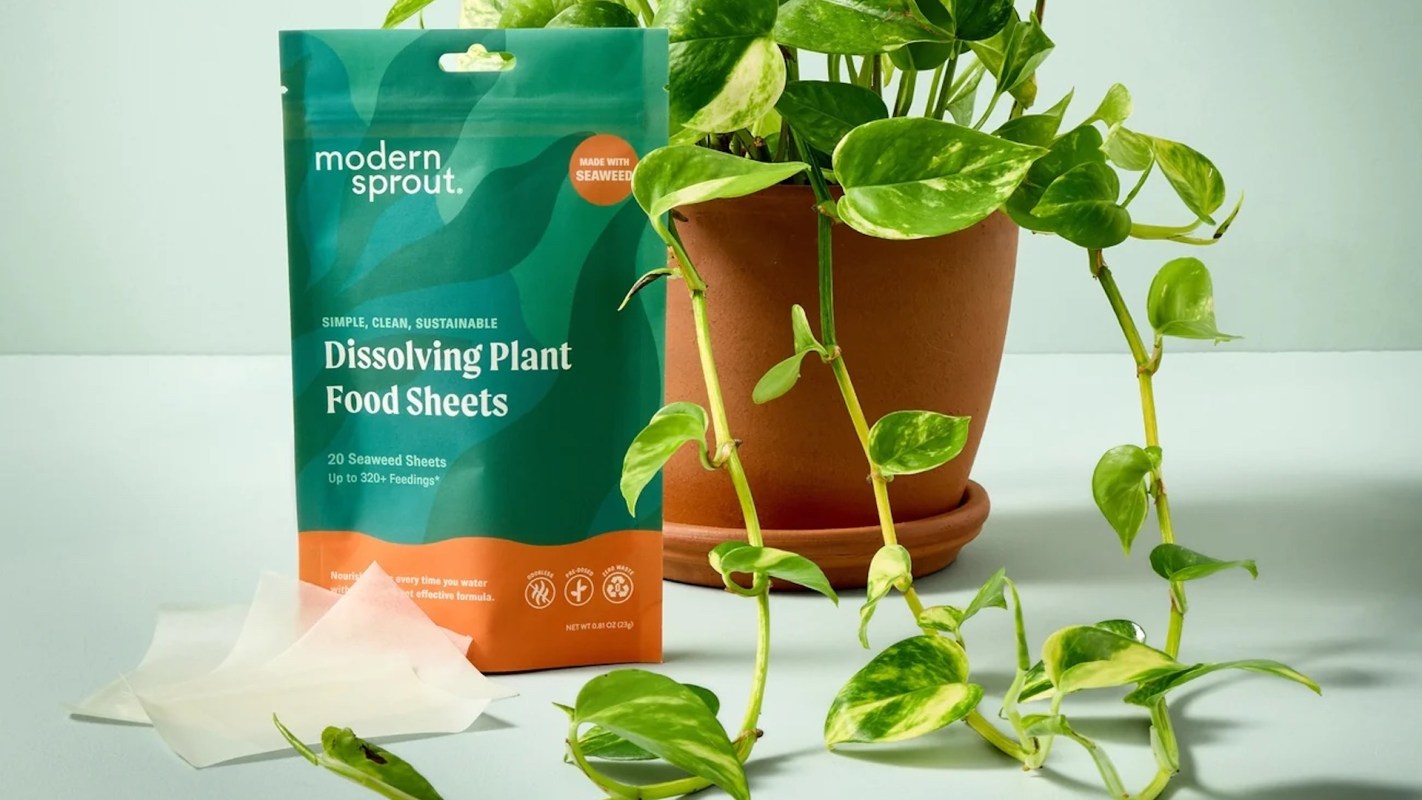
The material's first commercialized use to reach consumers is through Chicago-based gardening brand Modern Sprout, which sells dissolvable sheets dosed with organic fertilizer for houseplants, Down East reported.
More background
From rented lab space at the University of Southern Maine, Dirigo Sea Farm is also investigating microalgae as another possible ingredient for the film.
In one experiment, submerged bottles of dark green liquid sit in a tank that receives oxygen and carbon dioxide, while a tubular LED light is used to mimic sunshine.
"We're growing different species of microalgae to try to get them to create the polymer-like inputs we need to make bioplastic," McGovern said, per Down East.
If the work pays off, the company could supplement its kelp-derived material with a steadier lab-grown supply, potentially lowering manufacturing costs and helping it scale faster.
There is not enough locally grown kelp available for Dirigo Sea Farm to meet its future ambitions. If a workable microalgae blend emerges, the company could depend more on inputs grown in Maine.
Beyond larger fertilizer sheets, McGovern sees eventual applications for the film in medical products such as bandages and dermal and hormone-therapy patches, Down East noted.
What's being done?
In its Portland lab, the team combines dry ingredients and sends them to a factory in the Midwest, where water and other food-grade substances are used to turn the material into rolls that resemble plastic wrap.
The Modern Sprout fertilizer sheets show how the material could reduce reliance on plastic bottles in plant care. Other rolls are being supplied to a small group of manufacturers that make laundry and dishwasher pods.
The team has also produced test films in the lab using some of its grown microalgae as it assesses whether those organisms can serve as a practical ingredient in future batches.
McGovern views the imperfect early samples as evidence of progress. Looking at orange-dyed trial material in petri dishes, she said: "We call them Cheeto hands. They need a lot of work, but we're on the right track."
Where can I learn more?
Elsewhere, innovators are also looking for ways to cut plastic waste and rethink packaging.
• In Kenya, an inventor turned invasive water hyacinth into plastic that decomposes after use.
• In Japan, scientists transformed microplastics into glowing quantum dots for UV-blocking food film.
• In South Korea, researchers converted kimchi radish waste into bioplastic at industrial scale.
• Keurig Alta swaps pods for compostable tablets in a rethink of single-serve coffee.

Get TCD's free newsletters for easy tips, smart advice, and a chance to earn $5,000 toward home upgrades. To see more stories like this one, change your Google preferences here.






