


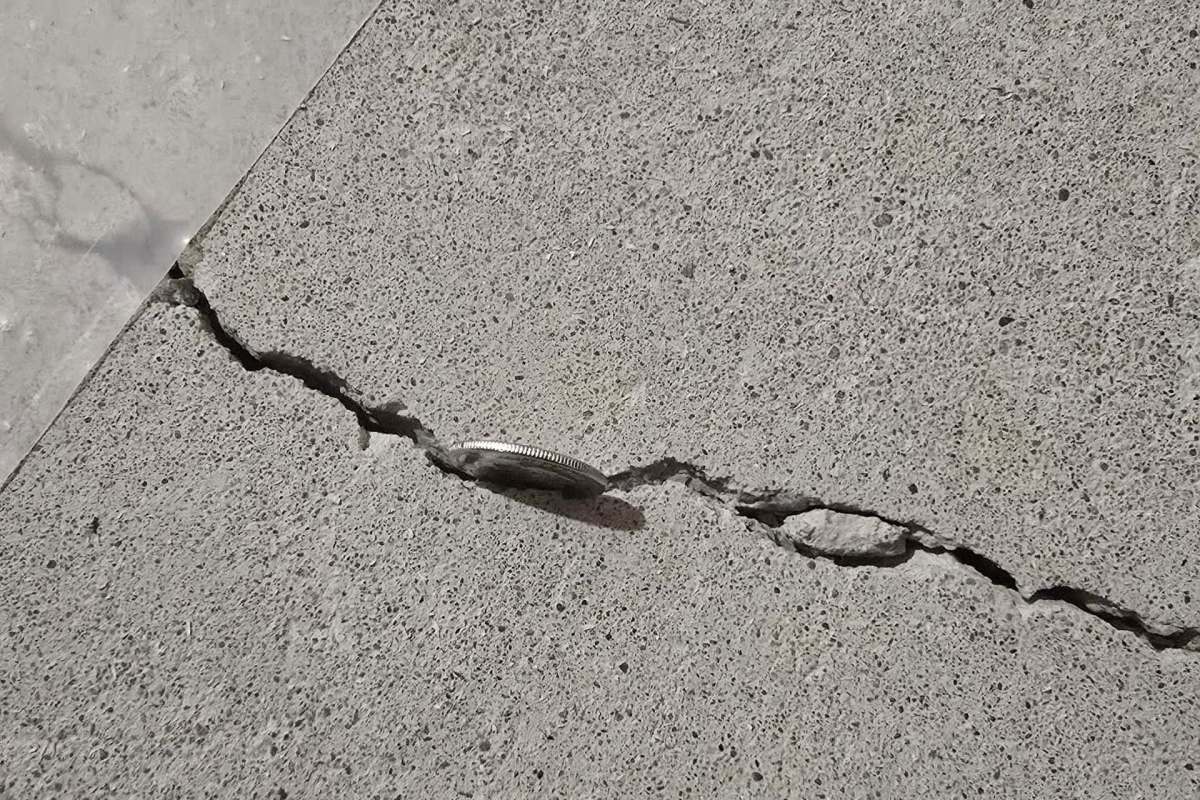
An Ontario homeowner is frustrated after finding a growing crack in the house's foundation, claiming the gap has increased by nearly a quarter of an inch in just one month.
Here's what to know
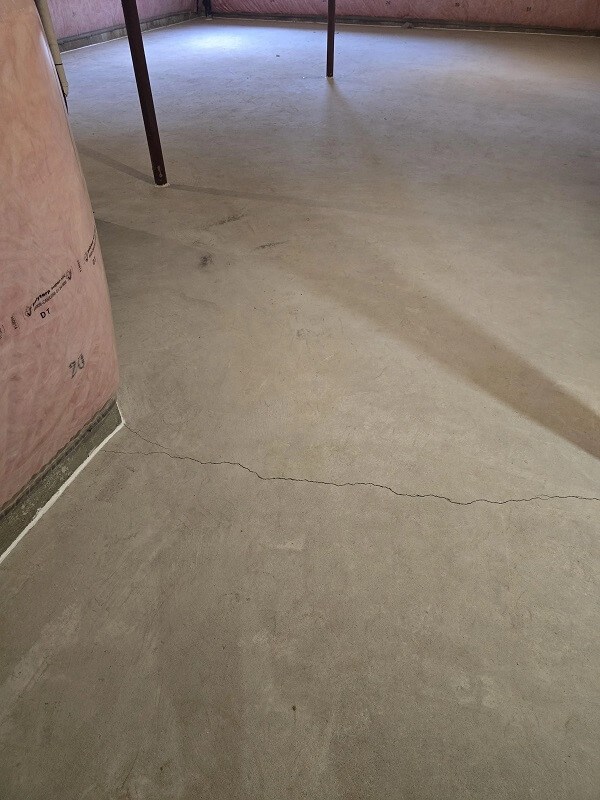
In a Reddit post in r/homeowners, the homeowner shared two images showing the crack's progress. They asked, "Wondering if someone can help tell me if this is a concern that I should take up with my builder?"
They shared a photo of the crack one month prior.
Then they shared a close-up of the crack, using a coin to show its depth.
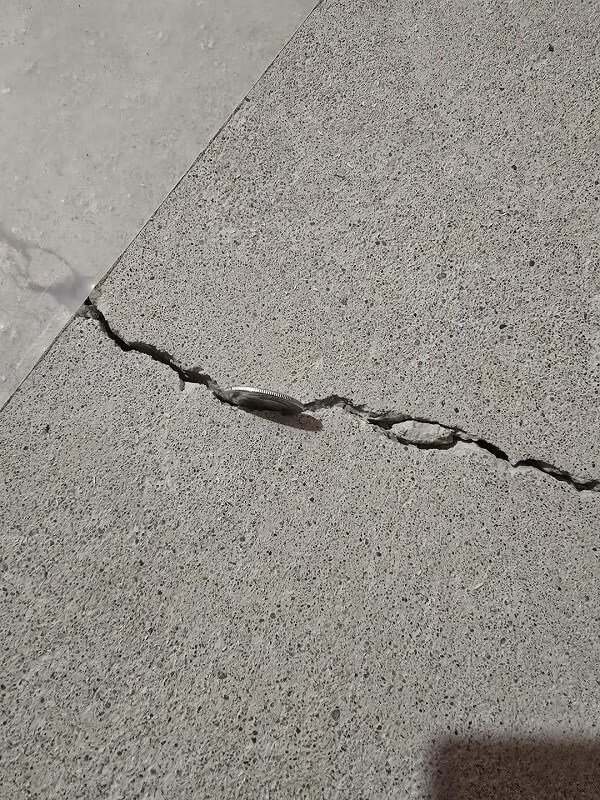
In the thread, the poster clarified that the damage was in the basement, said there had been "no rain," and noted that the home had a seven-year structural warranty.
One commenter stressed, "The crack itself isn't the concern, but widening that much is. You need to get the level of the house professionally evaluated and attempt a warranty claim."
TCD Picks » Quince Spotlight
💡These best-sellers from Quince deliver affordable, sustainable luxury for all




Several other commenters said cracking can be part of normal settling in newer concrete, but they still felt the visible separation between the two photos was worth documenting.
One person said, "Usually in [the] first 3-5 years everything will be cracking and shifting as [the] house settles. If there is no moisture intrusion I wouldn't worry about it." Another commenter responded, "Yes, cracking is normal in all concrete. This however has cracked and is separating. This is something to investigate thoroughly."
More background
Because the damage was on an interior basement slab in a newly built house, rather than on a driveway, patio, or garage floor, the conversation centered more on warranty and assessment than on simple cosmetic patching.
Some readers also pointed to the crack's location near a corner. One said, "Cracking at a corner like that happens almost every time," and added that if it is a nonbearing slab, the issue may not be structural, even if it still needs repair.
A different commenter brought up control joints, which are meant to channel cracking into designated spots, and said, "This doesn't look like a control joint to me." This distinction matters because a crack forming away from a control joint can raise different questions about settlement and slab movement.
That same commenter added that a builder might "re-skim the floor" but cautioned that the crack could reappear as settling continues.
With basement finishing already on the schedule, covering the area could make future changes much harder to monitor. "I'm concerned a bit as they are working on finishing the basement this month. I won't be able to see anything after that," the original poster wrote.
What can be done?
In the thread, the clearest recommendation was to notify the builder before they complete any more basement work.
After one person remarked that the house was recent enough that the builder "may be on the hook to fix it," the homeowner answered, "Will do, going to reach out to them today."
Commenters also said the widening should be documented carefully, both in photos and by noting any other changes elsewhere in the house.
One asked whether any doors were no longer closing properly and whether there were visible wall cracks. The homeowner said the doors still seemed normal and planned to inspect the walls.
Another reply emphasized that because the house was still in its first year, "everything should be covered under warranty" and that the builder should have a team able to inspect the crack, document it, and arrange repairs if needed.
Even commenters who sounded less alarmed generally landed on the same action plan: raise it to the builders, get it on record, and get an assessment before flooring or other basement finishes hide the area.
Where can I learn more?
A visible crack can be more than a cosmetic issue, especially in a newer home.
• In Lake Las Vegas, retirees were sent to arbitration over cracking homes after severe damage threatened their investment.
• In the UK, buyers are warned to keep an eye out for knotweed that can damage foundations.
• Homeowners are following a growing trend that's putting properties at risk, and the damage can bring costly repairs.
• Across the United States, insurers warn of an uninsurable future as property risks and costs keep rising.
• In Morocco, architect Aziza Chaouni is advancing earthquake-resistant house design that could replace thousands of vulnerable homes.

Get TCD's free newsletters for easy tips, smart advice, and a chance to earn $5,000 toward home upgrades. To see more stories like this one, change your Google preferences here.






