


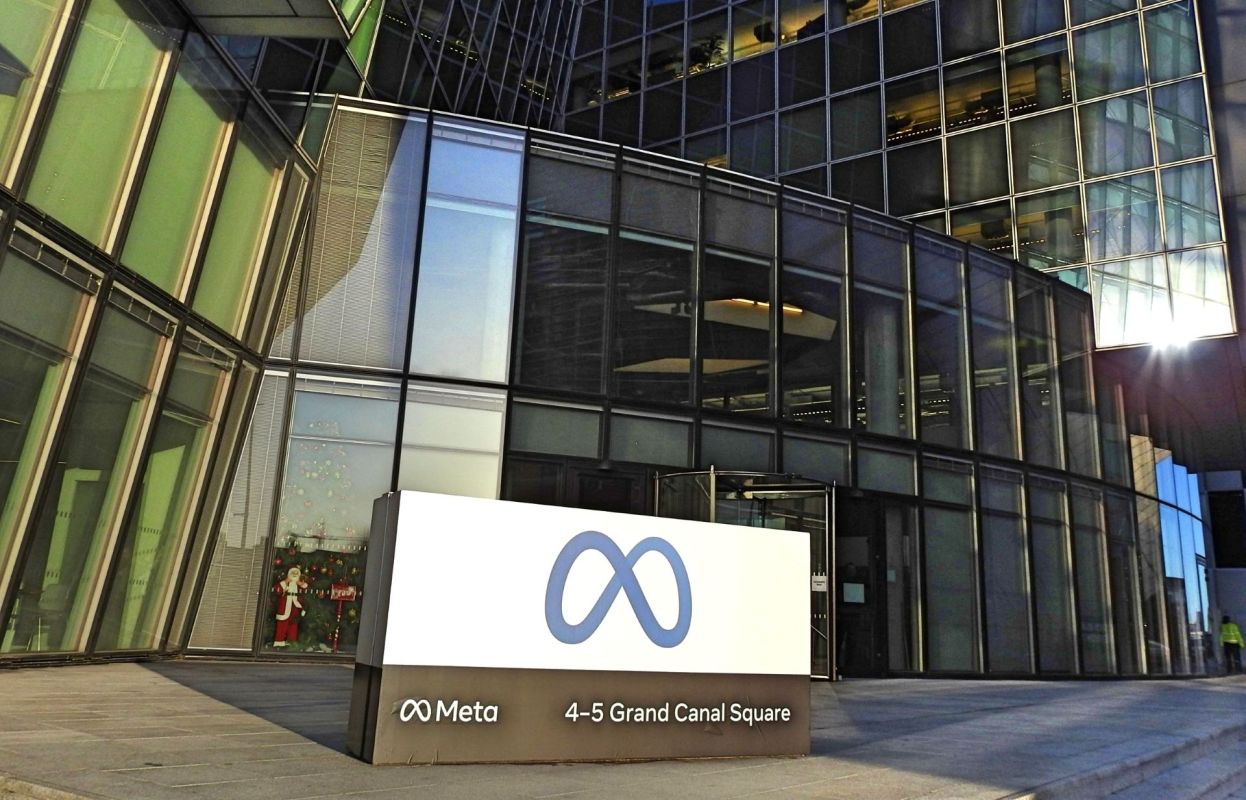
Rhode Island is suing Meta over a problem many social media users know all too well: scam ads that keep appearing even on some of the world's largest platforms.
The lawsuit argues the issue wasn't merely a moderation breakdown but something that may have financially benefited the company.
Here's what to know
Fraudulent ads on Meta's platforms are at the center of a new lawsuit by Rhode Island Attorney General Peter F. Neronha, who says the company didn't do enough to stop them, Engadget reported.
The suit also alleges Meta had reason not to crack down more aggressively because the scam ads were generating revenue.
In presenting the case, Neronha framed it as a consumer safety issue for people who use Meta's services.
"For a company that engages so many Rhode Islanders and Americans, maintaining high standards for consumer safety should be of the utmost importance," he said, per Engadget. "As alleged, Meta knowingly exposed vulnerable users to fraud and scams, and made enormous profits in doing so."
TCD Picks » Quince Spotlight
💡These best-sellers from Quince deliver affordable, sustainable luxury for all




The AG's office said the lawsuit is the first from a state to bring these allegations against Meta.
Meta spokesperson Andy Stone said the company had taken down more than 159 million scam ads from its platforms. "The attorney general refused to engage with us on ways we protect Rhode Islanders from scams, and has instead hired an out-of-state private law firm to concoct a lawsuit that ignores the full range of actions we take to combat scams every day," Stone said in a statement to Reuters.
More background
Rhode Island may be the first state to bring this type of case, but Meta has faced other lawsuits over the same issue.
According to Engadget, the Consumer Federation of America sued Meta in April, and Santa Clara County, California, brought its own case in May.
A 2025 Reuters report said scam ads across Meta's networks may have brought in billions of dollars, potentially accounting for about 10% of its revenue.
If a platform fails to remove fraudulent ads, users bear the risk.
By emphasizing "vulnerable users," Neronha's office positioned the case as a consumer protection matter.
What's being done?
Rhode Island's attorney general is seeking to use state authority to force accountability for how the country's biggest social media company handles scam advertising.
Meta says it has already taken action at scale, pointing to the removal of 159 million scam ads. That figure is central to the company's defense that it is actively policing the problem.
Meta says its response has also included going after some of the people allegedly behind the scams.
According to Engadget, the company has tried to disrupt actors tied to fake ads and has sued the creators of other scam campaigns.
In 2025, Meta also added protections against suspicious messages, though critics argue those measures still fall short.
Where can I learn more?
Similar issues have surfaced elsewhere.
• In Ontario, a Facebook "government rebate" ad allegedly trapped a woman with furnace payments for 20 years.
• Across the U.S., sponsored links to steal bank logins helped drive cybercrime losses to $14.6 million.
• On Meta's platforms, AI Reels show crying kids begging viewers to like and follow for freedom.
• In Florida, the attorney general called Meta settlement "peanuts" and vowed another lawsuit over harms to children.
• Federal regulators said users' intimate health data was shared with Meta and Snap for advertising.

Get TCD's free newsletters for easy tips, smart advice, and a chance to earn $5,000 toward home upgrades. To see more stories like this one, change your Google preferences here.






