


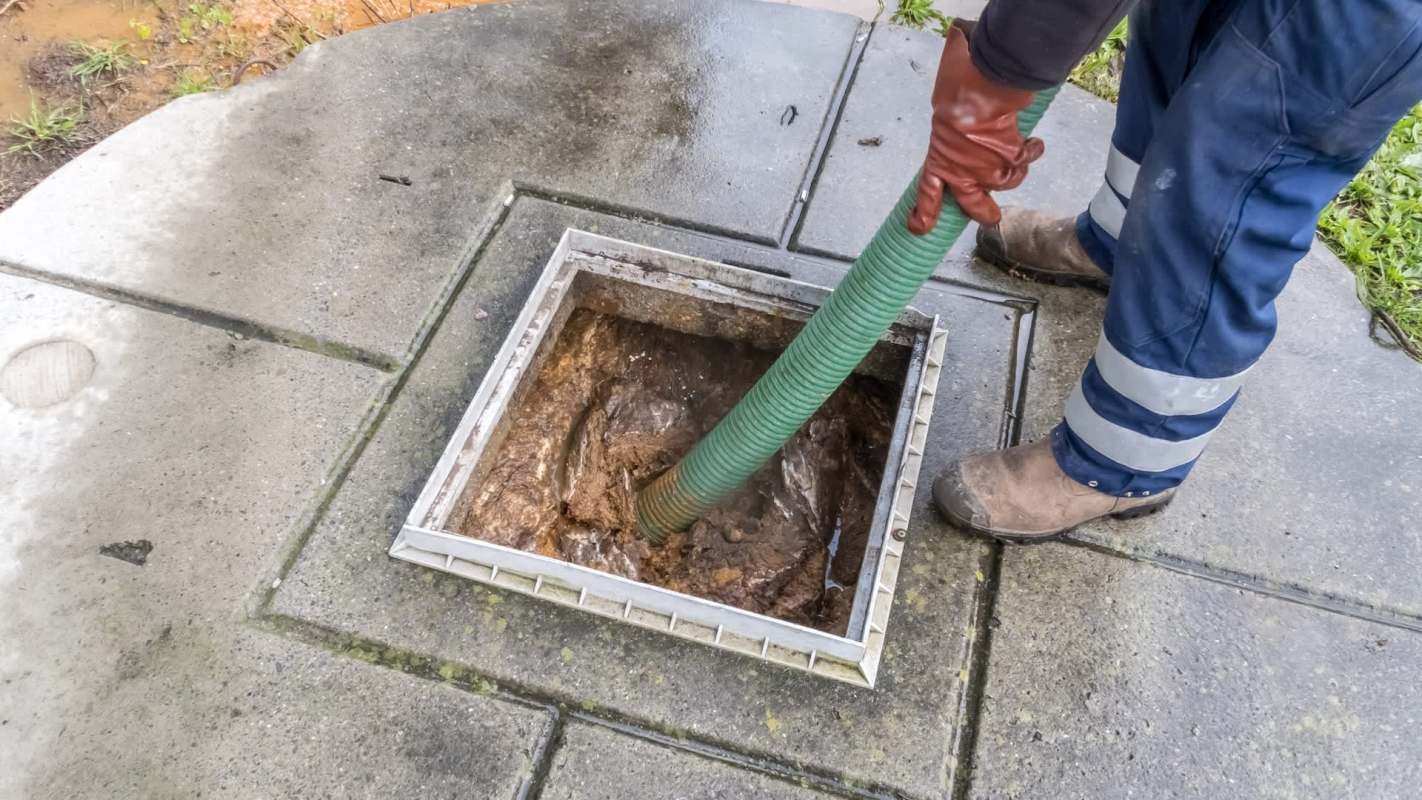
A U.K. homebuyer's search for a rural dream property hit a serious snag over one basic issue. No one involved in the sale could say with certainty how the house's sewage system works. That uncertainty matters because the property is off mains sewerage.
Here's what to know
In a Reddit post, the buyer said the sellers believe the home has a cesspit and claim it only needs emptying about once every five years, even though they have lived there for more than 15 years. Based on the buyer's research, that schedule didn't seem consistent with a true cesspit, which would need emptying more often.
The buyer said estate agents passed along the sellers' explanation that "the vendors don't really know what it is but are happy that it works fine." The agents also suggested it might be better "not to ask too many questions," which made the situation feel even more alarming.
The buyer said the financial and legal stakes depend entirely on what the system actually is. If it proves to be a sealed cesspit, they estimated routine drainage over 30 years could top £180,000 ($240,300).
If it is leaking, they worried the setup could be illegal and hard to mortgage. And if it is really a septic tank with a drainage field too close to the stream, they feared a sewage treatment plant might be required. Commenters said that lack of clarity alone could block financing.
"You're correct, you will not get a mortgage on this house without proper information," a user chimed in.
TCD Picks » Quince Spotlight
💡These best-sellers from Quince deliver affordable, sustainable luxury for all




Another said the sellers' approach "isn't acceptable" because they would need to show the system complies with England's general binding regulations during a conveyancing transaction.
More background
The timing made the problem harder to ignore. The buyer had already accepted an offer on their current home and had an offer accepted on the new property.
Several commenters said the system was probably not mysterious so much as old or noncompliant. One commenter, who works as a civil engineer on drainage systems, wrote that if a tank needs emptying every four years, "it is almost certainly a pre 2015 septic tank" and that there is "a high likelihood that this is non compliant and will need upgrading."
Other commenters described replacement costs in roughly the same range. One advised setting aside £10,000-£17,000 ($13,350-22,695) for a new system, and another said it all came to nearly £20,000 ($26,700).
Commenters also repeatedly flagged a key rule that septic tanks cannot discharge untreated wastewater directly into a stream or other surface watercourse.
What can be done?
The buyer said a local drain/tank survey, including emptying and a lender report, would cost more than £750 (~$1,000). They were hesitant to spend that much, but commenters largely agreed that the survey was the clearest way to get answers.
Other advice focused on gathering records and evidence. A commenter noted the sellers should have past emptying records.
The commenter identifying as a civil engineer offered the most detailed roadmap. They instructed to begin with the government's general binding rules, work out exactly what system is there now, see whether discharge to a sewer is possible, and check that the property is not in a groundwater protection zone.
Where can I learn more?
Sewage questions like this one don't just cloud home sales. They can also create day-to-day issues for residents.
• A homeowner said a neighbor's sewage left daily life hazardous and became a nightmare.
• Wilson County, Tennessee, residents say their yards feature a public health hazard tied to failing sewage.
• In New Jersey, scientists warn rising sea levels threaten sewage systems strained by aging infrastructure.

Get TCD's free newsletters for easy tips, smart advice, and a chance to earn $5,000 toward home upgrades. To see more stories like this one, change your Google preferences here.






