


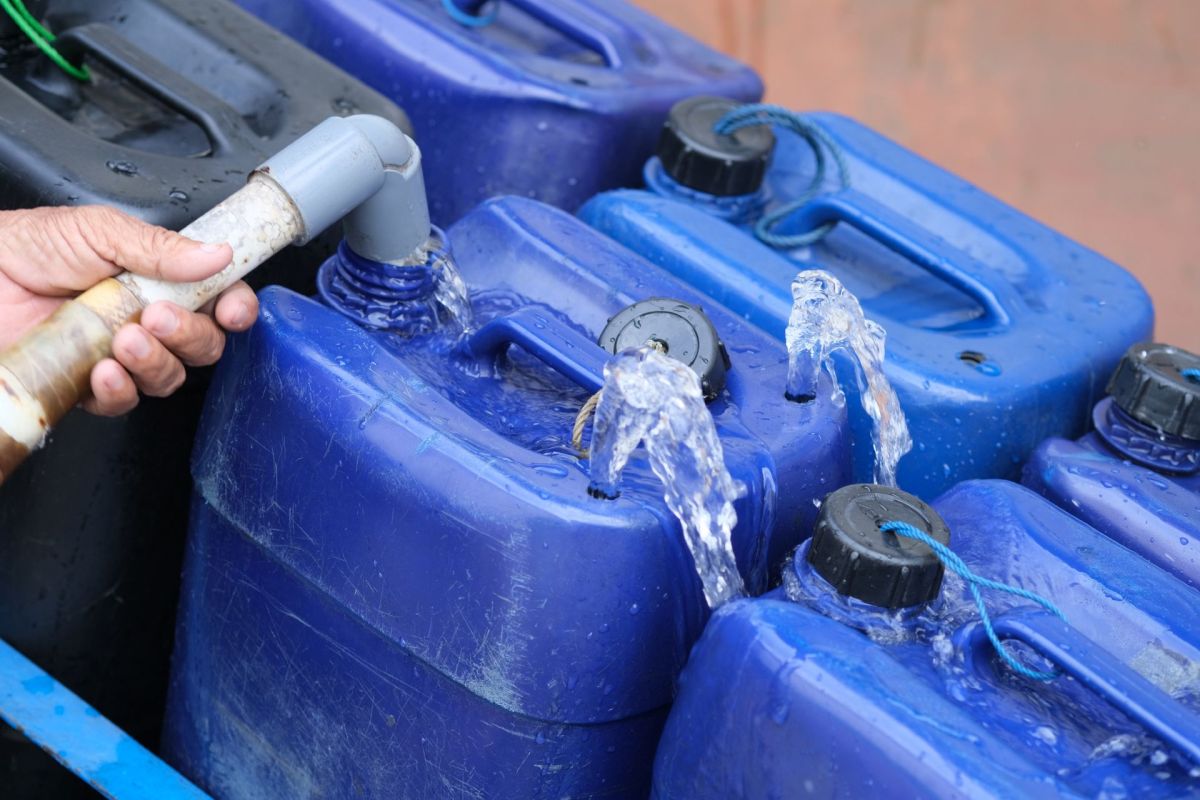
One emergency prepper in the United Kingdom took to social media to ask whether their years-old stored water could be salvaged after it started to turn green.
Here's what to know
The question surfaced in a post on Reddit's r/UKPreppers forum where the original poster wrote, "Left my water containers too long. What [should I] do?... Is this salvageable? Or time to demote them to outdoor grey water storage and buy some new ones for drinking water?"
As the OP explained, they had two 6.6-gallon containers that had been sitting indoors for years without being refreshed.
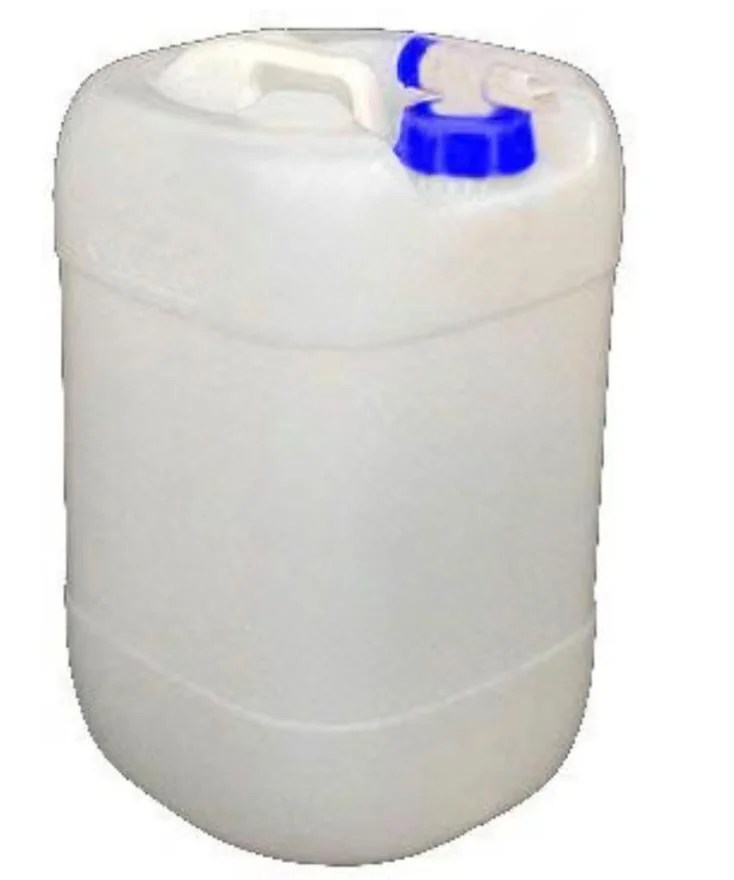
Most replies leaned toward reuse rather than writing the jugs off as gray water containers. One commenter recommended, "Dish soap and hot water, shake them vigorously for a few mins each, rise thoroughly. On your final rise, stick a few drops of bleach in the water, shake, pour out, DON'T rinse again."
People differed mainly on what to sanitize with. One commenter suggested Milton sterilising fluid, a product used for baby bottles, while others said ordinary bleach was sufficient. A different commenter wrote that bleach "doesn't leave residue" and said a tiny amount may help water last longer by discouraging algae and mold growth.
Taken together, the thread's advice centered on routine maintenance, not specialty gear. They recommended cleaning the containers well, sanitizing them, letting them dry, refilling them, and finally keeping that supply on a rotation.
TCD Picks » Quince Spotlight
💡These best-sellers from Quince deliver affordable, sustainable luxury for all




Sanitation worries also came up. One commenter who said they work for "an international humanitarian charity" warned that illnesses around water collection points in poorer regions are often linked to dirty containers.
For containers that are difficult to scrub inside, that same commenter described a rough method: add clean sand and water as an agitator, shake hard for several minutes, and then rinse thoroughly.
After another user noted that sand could scratch the plastic and create more places for bacteria to grow, the first commenter agreed that abrasion may not be the best approach for jugs intended for long-term storage.
Others suggested less abrasive but still practical options, including a homemade brush, jet washing, and leaving a chlorinated rinse in the container long enough to disinfect it.
What can be done?
Emergency water storage is a relatively cheap preparedness measure, but years of neglect can turn it into a cleanup job with real sanitation concerns. The dominant recommendation in the thread was to reset the containers and start fresh.
Where the jugs are stored mattered too. Users advised leaving the cap off so the container can air out, then keeping refilled jugs in a cool, dark place, since light and warmth can encourage algae growth, which seems to be what the original poster was seeing.
As the thread noted, staying on top of container rotation can save people the cost and hassle of replacing neglected supplies, and it helps ensure the reserve is usable if the mains go off.
As one commenter put it bluntly, "The time/cost of refilling them is tiny compared with the risk that they'll be no-good just when you really need them!"
Where can I learn more?
Safe water gets complicated fast when regular systems fail or stored supplies go bad.
• Long-time preppers shared how to collect and use water before shortages turn serious.
• In an off-grid home, one owner showed their water setup keeping drinking supplies flowing.
• Off-gridders also shared their methods of reusing water when every stored gallon had to be stretched.

Get TCD's free newsletters for easy tips, smart advice, and a chance to earn $5,000 toward home upgrades. To see more stories like this one, change your Google preferences here.






