


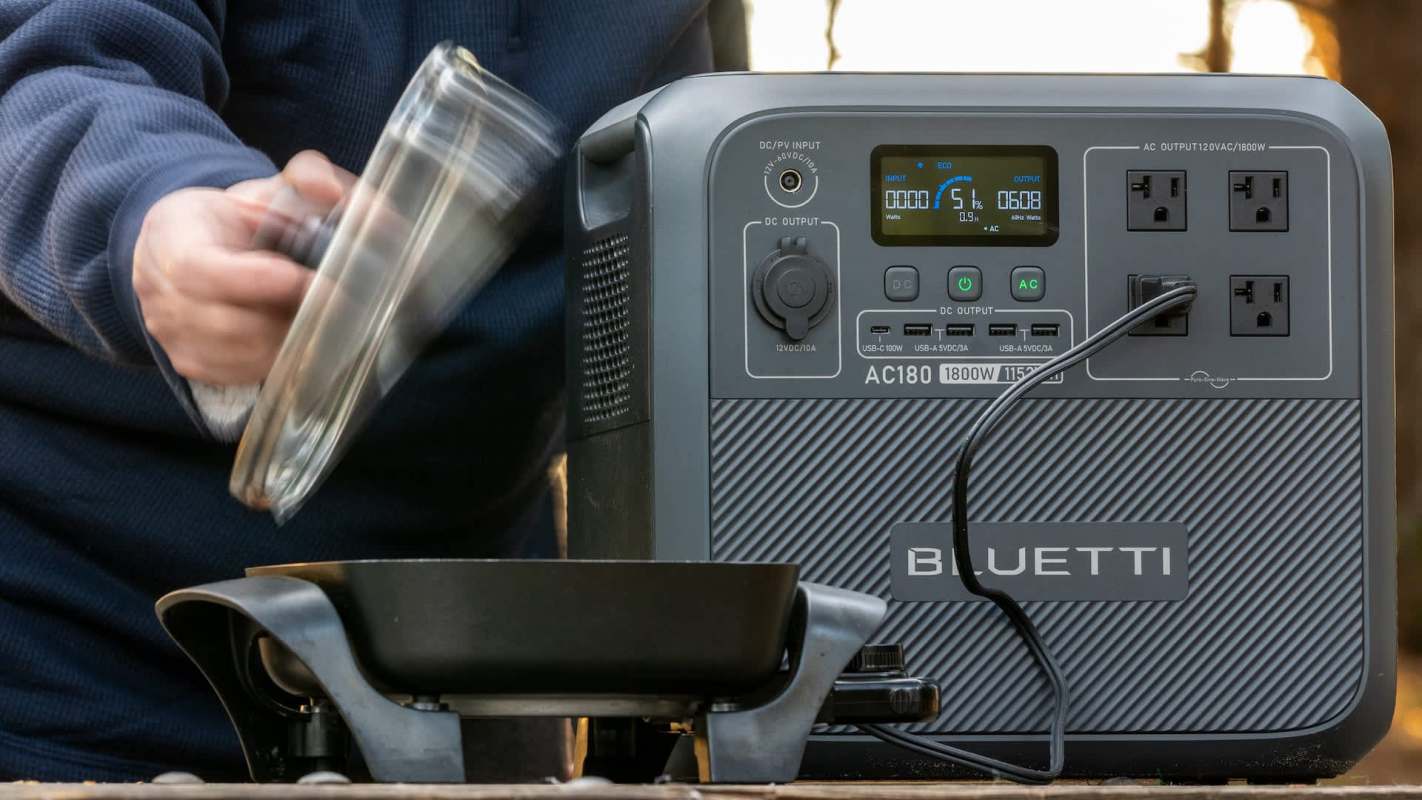
After several months without using a Bluetti power station, a Reddit user asked what kind of storage routine the battery actually needs: Should it be periodically drained and recharged, or can it just sit unused until it's needed again?
Here's what to know
The question appeared in r/bluetti, where the OP said, "Realized it's been months now. How often should I be draining and recharging my unit to prevent damage from sitting long term?"
In the Reddit discussion, the focus shifted from scheduled draining to the charge level a stored unit should maintain.
One reply said regular cycling is not necessary just to prevent harm. "You don't need to cycle them to stop from damage. Just check charge level and if low, charge it," the user said.
Another user, who said they use a "Bluetti AC70P 1000 watt power station every day," shared longer-term storage advice focused on avoiding extended periods at a full charge.
For storage, that user said owners "should only charge it to 60- 80%" and added, "Storing at 100% for long periods will degrade the battery faster."
TCD Picks » Quince Spotlight
💡These best-sellers from Quince deliver affordable, sustainable luxury for all




More background
Power stations used as backup devices can easily go unused for "months," which is why owners often ask whether simple inactivity can cause problems.
The responses also highlighted the difference between standby storage and active use. The user with the AC70P 1000-watt model described a much heavier-use scenario: "I charge mine daily with solar panel," which is a very different setup from keeping a unit on a shelf for emergencies.
As batteries age, available capacity can decline when you finally need the device. The Reddit thread did not attach a dollar amount to better storage habits, but the discussion consistently pointed to slowing battery degradation and protecting the lifespan of a 1000-watt power station.
What can be done?
For extended storage, the thread's most consistent advice was not to leave the unit sitting at 100%. Instead, one user suggested keeping it between 60% and 80%.
Users also pointed to a simple maintenance habit: check the battery periodically and recharge it if the level gets too low. That approach emphasizes maintaining a healthier stored charge rather than running unnecessary discharge-and-recharge cycles.
The discussion included another option for owners who would rather not leave the device idle indefinitely. One user suggested using it from time to time and then recharging it afterward.
That occasional-use routine may help battery longevity and avoid earlier performance decline than storing a power station fully charged all the time.
One user said: "I would recommend using it at least 1- 2 days a month minimum down to 20-30% before recharging."
Where can I learn more?
For a broader look at backup batteries, these stories explore how they're built, used, and improved over time. They cover easier access to home backup systems, along with broader battery breakthroughs and recycling efforts.
• SunPower and Palmetto are helping homeowners install home backup batteries without upfront costs.
• At Pacific Northwest National Laboratory, scientists built a miniaturized flow cell to speed battery development.
• Scientists found toxic chemicals in lithium-ion batteries, sharpening concerns about battery manufacturing and disposal.
• A sprawling facility is recycling old EV batteries instead of sending them to waste.

Get TCD's free newsletters for easy tips, smart advice, and a chance to earn $5,000 toward home upgrades. To see more stories like this one, change your Google preferences here.






