


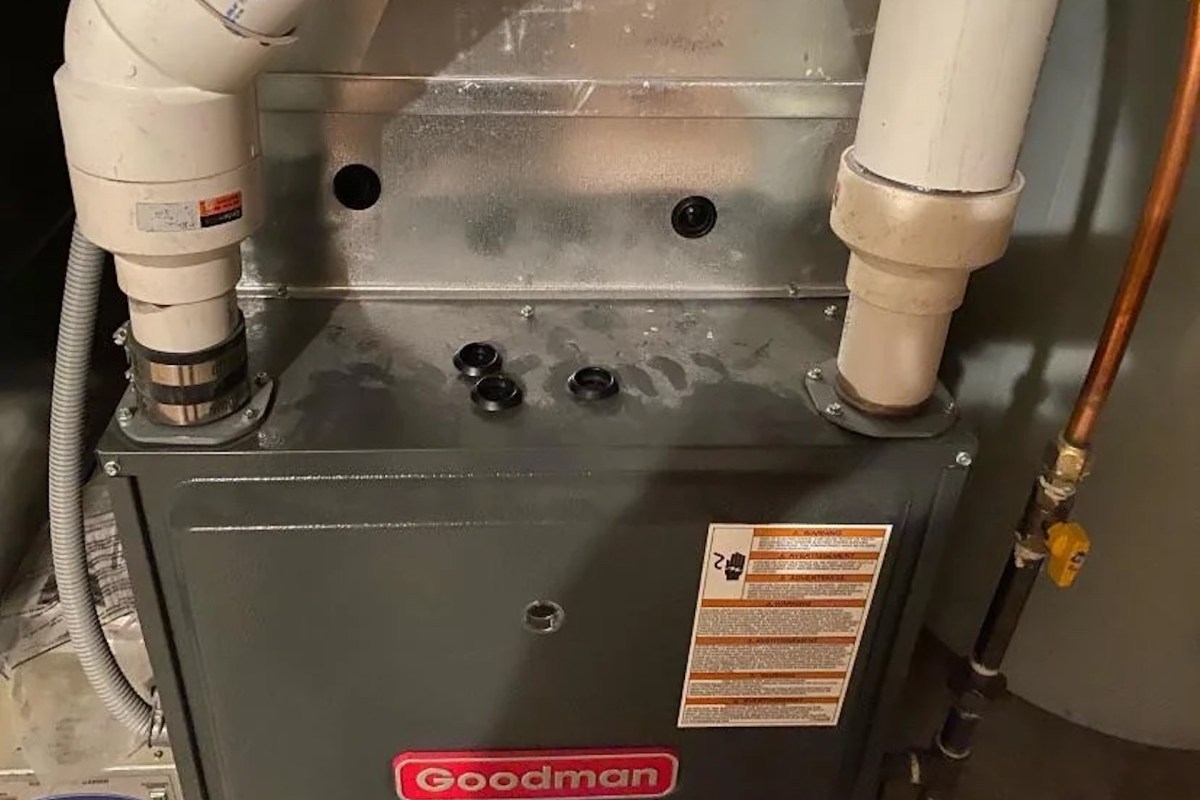
A homeowner says a routine duct-cleaning visit turned into a furnace shutdown after technicians drilled two holes above the unit and sealed them with plastic plugs that burned within a day.
The company then told the homeowner the real problem was restricted return vents, prompting commenters to question whether that explanation fit the timeline.
Here's what to know
Posting in a Reddit thread on r/hvacadvice, the homeowner said the crew cut two access openings above the furnace near the supply vents, fitted them with plastic caps, and later argued that restricted return airflow had made the system hot enough to burn those caps.
One commenter wrote: "Yes restricted returns can make it so its not blowing as hard increasing the temperature coming out. See what temp is coming out of your furnace." That suggested the company's explanation wasn't impossible, though commenters did not treat it as definitive.
Several replies focused on the sequence of events instead. The original poster said there had been no issues before the duct cleaning and that the burned plugs caused hot air to blow back into the furnace room.
For homeowners trying to decide whether to repair or replace after a furnace issue like this, newer high-efficiency HVAC systems and heat pumps can be one of the best ways to cut utility bills and reduce exposure to rising energy prices. Palmetto can help homeowners understand their HVAC options, and its Comfort Plan network can connect them with vetted installers focused on efficient heating and cooling solutions.
More background
Several commenters criticized the material used to cover the openings. "Metal tape over the holes. They shouldn't have drilled holes so close to the furnace," one Reddit user said, while another shared that they would have used "foil tape or silicone" instead of plastic caps near the heat exchanger.
The setup itself also drew scrutiny. A commenter who identified it as "a 100k-120k btu Goodman running on LP gas" said the supply plenum on that system is "going to get pretty toasty," while another commenter said a bad duct-cleaning job on a high-efficiency system with a secondary heat exchanger can lead to clogged components.
Crushed by your bills? See instant solar savings from vetted installers in just a few clicks With energy prices through the roof, there's never been a better time to go solar — and EasyHome can help you find the best prices from the best installers in your area. EasyHome takes the guesswork and headaches out of energy upgrades by showing you estimated savings from a network of vetted local partners. To get started, just enter your ZIP and share a few details about your home — seeing your estimate is really that easy. |

Some replies argued the furnace should have shut itself down before the plastic failed. One commenter wrote: "That unit has high limits that should shut that unit down before it gets hot enough to melt plastic." Another took a broader shot at the industry, while another user argued duct cleaning may have a place but "won't recommend it more than every like 15-25 years."
What can be done?
Among the practical suggestions in the thread, the clearest next step was checking the furnace's output temperature, as one commenter suggested. The discussion kept circling back to where the access holes were drilled, what material was used to seal them, and why that material was chosen so close to the furnace.
If a problem like burned plugs turns into a bigger replacement conversation, the Comfort Plan includes $0-down options that can lower heating and cooling costs by up to 50%, plus 12 years of free maintenance. That can matter for homeowners who expected a simple service visit but ended up reassessing an aging furnace.
For households moving away from gas equipment after a breakdown or shutdown, pairing solar panels with electric appliances, including efficient HVACs, can drive utility costs even lower. EnergySage makes it easy to compare solar options and find the best solar system and installer for a home and budget, and it can help homeowners save up to $10,000 on solar installations.
Where can I learn more?
These articles cover similar HVAC safety concerns, disputed service work, and warning signs homeowners noticed around the house.
• Pennsylvania homeowners won restitution after bad-faith furnace scare tactics pushed bogus blowup warnings.
• After furnace repairs, a homeowner found high levels of carbon monoxide near the unit and questioned the venting.
• A dad sought urgent help after a furnace explosion engulfed his son's bedroom in fog.
• In a basement inspection, pros warned the duct gap was "1000% asbestos" after cool air spread.
• Burnt plastic odors led a homeowner to kill power after a water heater scare.

Get TCD's free newsletters for easy tips, smart advice, and a chance to earn $5,000 toward home upgrades. To see more stories like this one, change your Google preferences here.






