


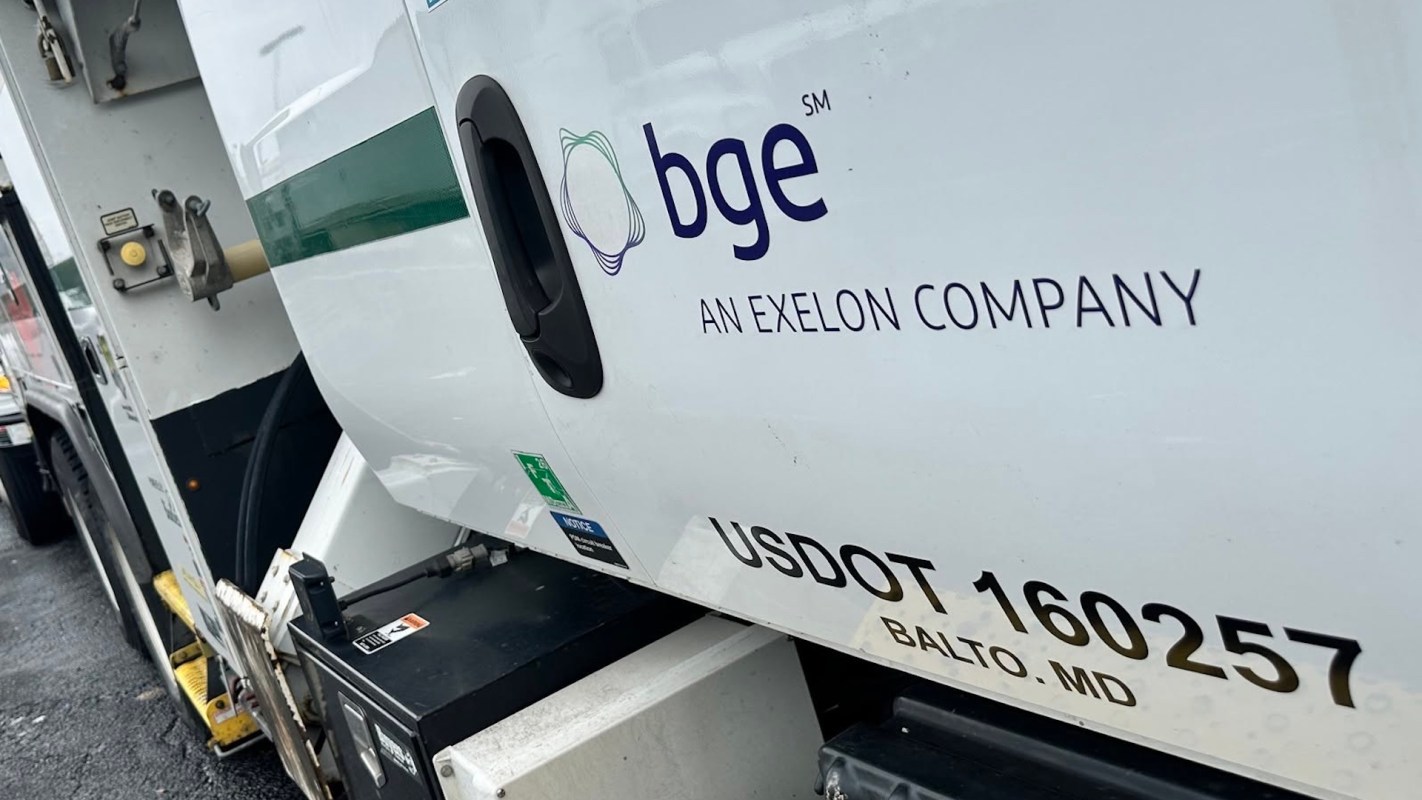
Baltimore Gas and Electric is seeking permission to add a new $9 monthly charge for Baltimore City customers, a proposal that would leave residents in nearby counties untouched.
If regulators approve it, the surcharge would begin in January and cover higher conduit costs the city charges. Critics say it would force city households to absorb a utility dispute they didn't create, even though they have the least ability to avoid the added cost, WBAL-TV reported.
Here's what to know
Baltimore Gas and Electric has asked the Maryland Public Service Commission to approve the monthly fee for Baltimore City customers.
BGE says the charge would offset increased conduit charges from the city and keep those costs from being passed along to customers in surrounding counties.
"To change how these costs are allocated so that customers outside of Baltimore City are not absorbing these costs that are unjustified by the city for their infrastructure," said Tamla Olivier, BGE president and CEO.
Some Baltimore residents say that explanation still ends with city households paying more.
TCD Picks » Quince Spotlight
💡These best-sellers from Quince deliver affordable, sustainable luxury for all




"I mean, it wouldn't kill me, but it's not fair," Baltimore City resident Kenneth Morris told WBAL-TV.
A decision timeline remains unclear.
The Maryland Public Service Commission has not said when it will act on the request, and a commission spokesperson said the agency could not comment because of policy.
More background
The proposal would draw a sharp line between Baltimore City customers and other BGE customers, even though the dispute centers on infrastructure fees tied to the utility's operations in the city.
For households, that would mean a new cost based on where they live rather than how much energy they use.
A $9 monthly surcharge would total $108 over a year for affected customers if regulators approve it. Morris argued that if the issue affects the broader utility system, the cost should not fall only on city residents.
"It's not fair for city residents to bear that burden. I think we should spread [it] all over all of the residents of the state if it's going to be impacting all the residents," Morris said.
Marvin Scott, another Baltimore City resident, pushed back on billing residents for changes beyond their control.
Consumer advocates are questioning whether a utility should ask customers to make up the difference when one of its revenue streams changes.
What's being done?
BGE cannot impose the charge unless state regulators approve it, so the commission's decision will determine whether the surcharge takes effect in January.
Emily Scarr, a consumer advocate with the Maryland Public Interest Research Group, sees the request as an attempt to replace money that would otherwise go to shareholders.
"They're losing a stream of income for their shareholders, and I see this as them having a temper tantrum," Scarr told the station.
The dispute also points to what Scarr views as a need for tougher oversight from state officials.
"They need to be properly regulated by the Public Service Commission," she said. "And when their profits continue to go up and they're failing on customer service, something is wrong with that regulation. And we need our state leaders and our regulators to intervene."
Baltimore residents are now waiting for the state to decide on whether the company can pass the city fee dispute directly onto city customers.
For residents like Scott, the proposal feels simple in the worst way.
"So they [are] making changes, and it's like somebody else is making you pay something, and in turn, those [who] need it, they're going to up it on us. That's not fair."
Where can I learn more?
Baltimore's fight over the proposed BGE fee is part of a larger debate over who should pay when utility costs rise. Elsewhere in Maryland and across the country, regulators, lawmakers, and communities are also grappling with higher power bills and disputed fees.
• Maryland officials took a $20 million surcharge fight to the Federal Energy Regulatory Commission as costs mounted.
• In rural communities, residents resisted projects that could raise electricity bills for local households.
• PacifiCorp asked regulators to approve billing customers for wildfire damages after devastating blazes.

Get TCD's free newsletters for easy tips, smart advice, and a chance to earn $5,000 toward home upgrades. To see more stories like this one, change your Google preferences here.






