


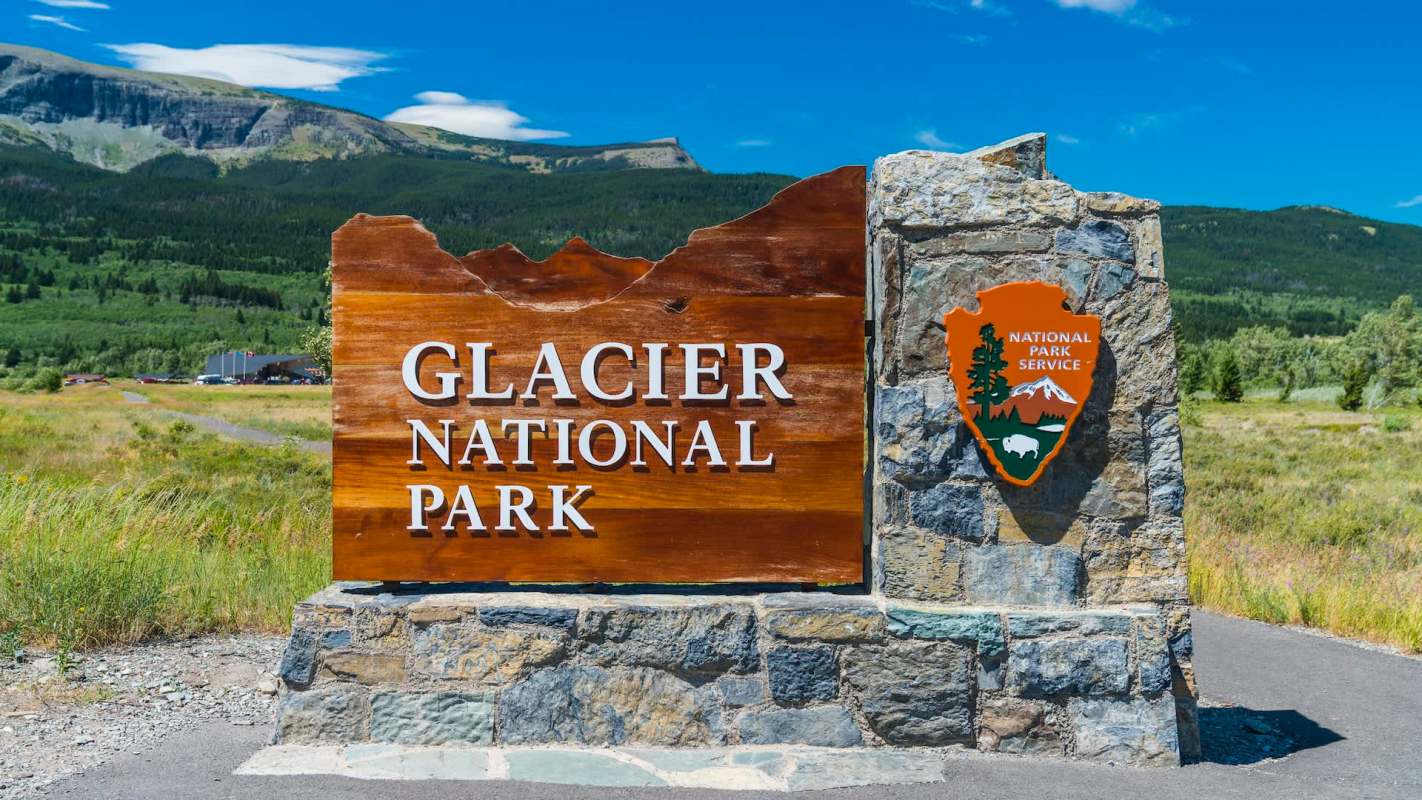
Glacier National Park has confirmed its first case of white-nose syndrome after a little brown bat was found dead in the Saint Mary area in May, bringing a disease that has already killed millions across North America to one of the country's most iconic wild places.
Here's what to know
Testing on live bats sampled in June on Glacier's east side also found Pseudogymnoascus destructans, the fungus that causes the disease, in several animals.
Taken together, those results are the first recorded detections of both white-nose syndrome and the fungus behind it in Glacier National Park and Glacier County, KPAX News reported.
White-nose syndrome strikes bats during hibernation, waking them in winter and forcing them to burn the fat reserves they need to make it to spring.
That loss of energy often ends in dehydration, starvation, and death. First identified in New York state in 2006, the disease has since spread across North America and killed millions of bats.
Bat declines don't stay confined to caves or hibernation sites; these animals are part of a broader food web that supports surrounding landscapes and nearby communities.
TCD Picks » Quince Spotlight
💡These best-sellers from Quince deliver affordable, sustainable luxury for all




More background
With backing from the Glacier National Park Conservancy, Natural Resource Fund Source, and National Fish and Wildlife Foundation, Glacier has monitored bat diversity, occupancy, and health since 2011.
Over that time, biologists have documented 10 bat species in the park.
Those species all eat insects, and bats are also prey for wildlife including raptors and weasels. Major losses in their numbers could send effects through ecosystems in and around Glacier.
According to KPAX News, white-nose syndrome has been documented in 42 states and nine Canadian provinces. It spreads mostly through contact between bats, and the fungus can survive underground for years, leaving caves and similar spaces able to infect animals long after the first introduction.
Humans and pets aren't susceptible to white-nose syndrome. Still, people can carry the fungus into new places on clothing, shoes, and caving gear, so visitors and nearby communities can unintentionally help spread it.
What's being done?
Glacier is participating in research to prevent the disease. The park is involved in an ongoing study of a vaccine intended to protect bats from white-nose syndrome in the wild.
Between 2024 and 2026, park biologists captured and processed 529 bats for that study. Of those, 265 received the vaccine and 264 received a placebo, creating a direct comparison group.
Biologists tagged each bat to track survival as the animals emerge from hibernation each spring. The results should show whether vaccinated bats survive at higher rates than unprotected bats.
Where can I learn more?
These stories examine the same pressures on bats as white-nose syndrome spreads and populations decline. They cover pesticide use, changes in hibernation, and other threats to bat survival.
• In the U.S., more than 1,300 children died after bat losses drove pesticide use higher.
• In Europe, bats' hibernation patterns shifted as climate change altered winter survival.
• In Germany, hibernation data for bats showed earlier seasonal changes with ecological consequences.
• In laboratory work, shifts in diet had a profound effect on bats' spillover risk.

Get TCD's free newsletters for easy tips, smart advice, and a chance to earn $5,000 toward home upgrades. To see more stories like this one, change your Google preferences here.






