


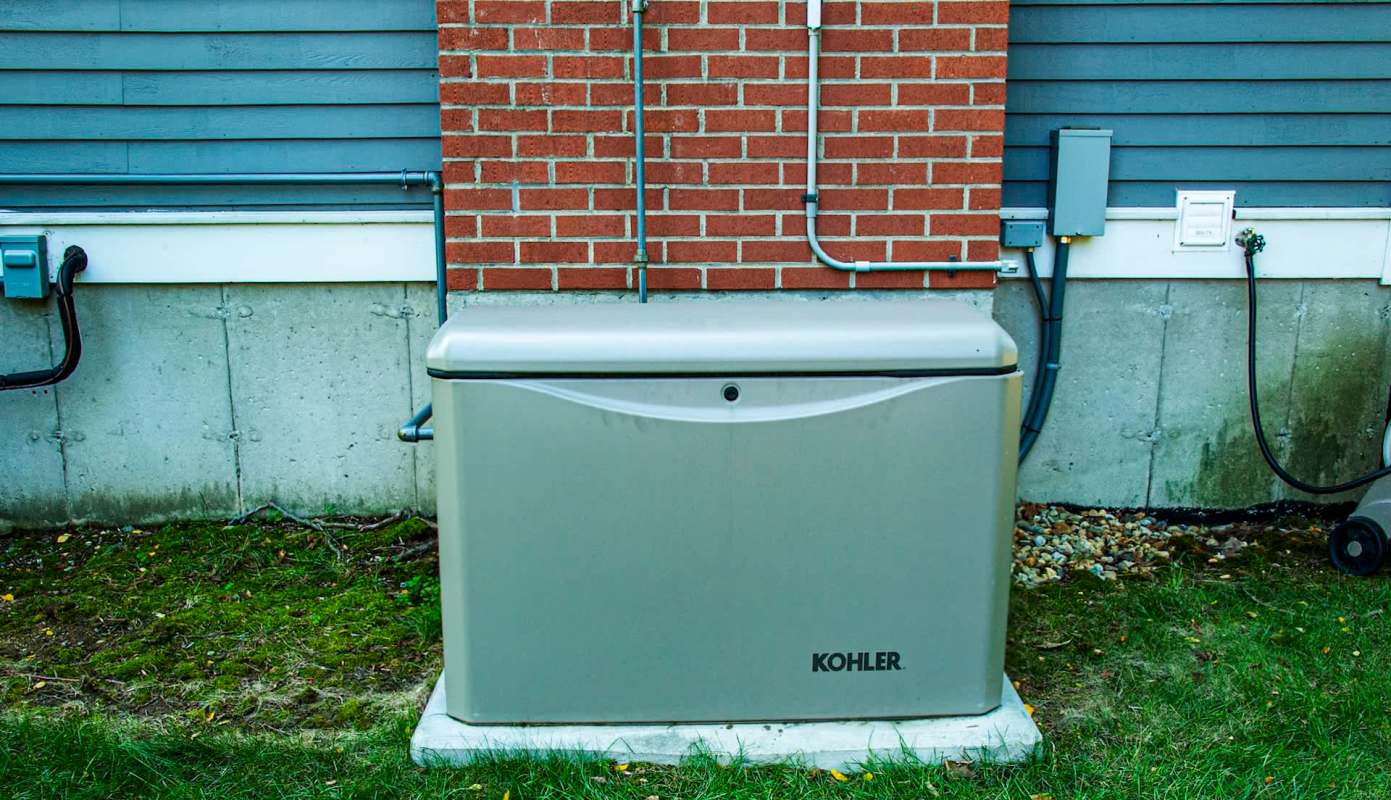
A rural Northeast homeowner thought getting three estimates for a standby generator would make a major purchase easier. Instead, each bid landed between $16,000 and $19,000, but they conflicted on where the unit should go, how many load managers were needed, and even what local code required.
Here's what to know
In a Reddit thread, the homeowner described a rural Northeast property with a buried 500-gallon propane tank and power losses that commonly last 5 to 10 hours. They had already completed a load calculation pointing to a 20- to 26-kilowatt whole-house generator and gathered three bundled estimates that included gas, electrical, and switch work.
What threw them off was the lack of agreement despite similar pricing. According to the post, every installer said trenching would not be required, that the generator could connect to the home's gas regulator, and that the electrical run would be about the same. Even so, the bids split sharply on siting, on whether the job called for one or as many as four load managers, and on what each contractor considered code.
One commenter offered a simple recommendation: "Get three to six [bids], then compare them … Check the bids for consistency once you have them all. If the service providers are appropriately licensed and are authorized dealers, it's on them to ensure all code and functional requirements are satisfied."
More background
The homeowner said they and their spouse are close to retirement and do not want to rely on a portable generator. In their rural area, they added, having a technician within about an hour's drive feels especially important.
Questions about placement added to the confusion. One commenter said the unit belongs "near gas and electric, but away from windows and air intake to the house," but that rules depend on where you live and no single source covers every local requirement.
TCD Picks » Quince Spotlight
💡These best-sellers from Quince deliver affordable, sustainable luxury for all




What can be done?
Commenters warned that placement advice can be a red flag. If an installer is comfortable putting a generator under a window or near a house vent, one commenter said, "that's a sign they may not know what they are doing."
In the end, the homeowner's concern remained captured in a single question: "Price isn't the problem. The issue is how do we know what install is the right way if all 3 say different?"
Where can I learn more?
These stories explore the same backup-power questions, including generator tradeoffs, battery alternatives, and the safety risks of outages and storm recovery.
• In Texas, a homeowner weighing a backup A/C generator worried a 190-pound unit was practical overnight.
• Homeowners were told backup solar can outlast generators when long outages stretch beyond fuel deliveries.
• Across the country, families were urged toward safer home battery backups instead of gasoline generators.
• After Hurricane Beryl, officials highlighted the health risks of backup generators as carbon monoxide cases mounted.
• In South Carolina, officials issued a winter generator warning after a couple died from misuse.

Get TCD's free newsletters for easy tips, smart advice, and a chance to earn $5,000 toward home upgrades. To see more stories like this one, change your Google preferences here.






