


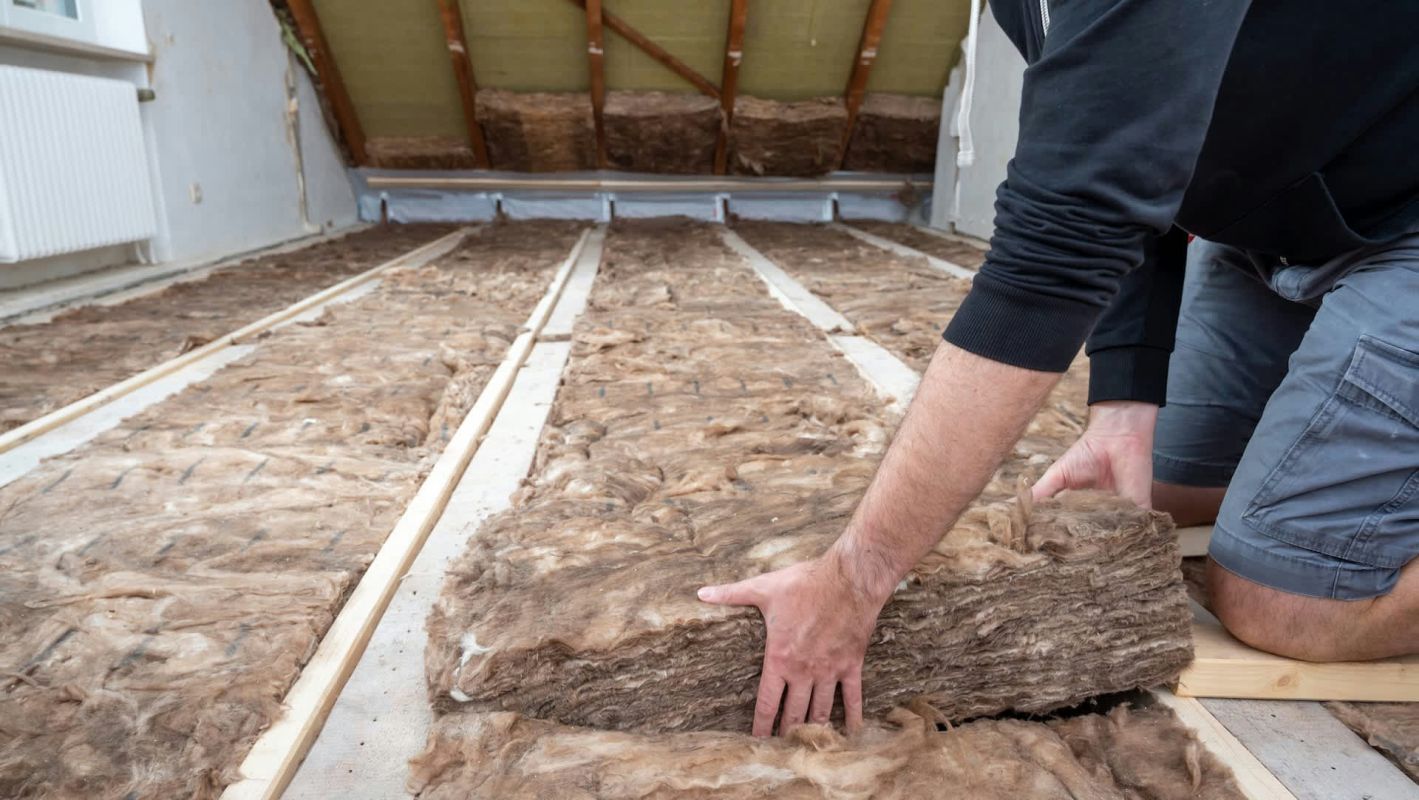
State lawmakers are considering an energy-bill provision that would require moderate-income households in Massachusetts' 21 designated equity communities to take an extra step before they can get free home weatherization.
If it passes, residents of some lower-income communities with large renter populations would have to provide more documentation than comparable households in better-off municipalities.
Here's what to know
Under current rules, Mass Save offers free weatherization statewide to low-income and moderate-income households without requiring income paperwork. That eligibility also extends to landlords with up to four rental units.
According to Canary Media, the proposal would carve out one exception: moderate-income households in the state's 21 designated equity communities would have to verify their income.
The result could create an unusual mismatch. A four-person household in Lawrence earning $200,000 could still qualify for free weatherization without showing income documents, while a neighboring family of four earning $90,000 would need to provide pay stubs and tax forms. In Andover, a household making the same $90,000 wouldn't have to take that extra step.
Canary Media reported that weatherization can cut annual utility costs by several hundred dollars. For families managing tight budgets, that kind of savings can free up money for necessities like medical expenses or groceries.
TCD Picks » Quince Spotlight
💡These best-sellers from Quince deliver affordable, sustainable luxury for all




Massachusetts has long been viewed as a national leader in energy efficiency. Mark Kresowik, senior policy director at the American Council for an Energy-Efficient Economy, said, "Removing as many barriers as possible is critical to closing the equity gap. Massachusetts has been doing a tremendous job."
More background
The debate follows a 2024 Mass Save expansion that waived income-verification requirements statewide for moderate-income residents, matching an exception low-income households already had.
Mary Wambui, co-chair of a group on the advisory council that writes the state's energy-efficiency plans, said Mass Save handled roughly 700 weatherization projects for moderate-income households in 2023. By 2025, that number had risen to more than 8,200.
As part of that effort, Mass Save created the 21 designated equity communities to better reach places with lower average incomes and higher renter populations. According to Canary Media, everyone in those areas can receive free weatherization without income verification, including landlords of buildings with at least five units — a group previously left out.
The change matters because renters often cannot authorize building upgrades themselves, while landlords may have little reason to invest when tenants pay the utility bills.
What's being done?
Massachusetts lawmakers are still reconciling House and Senate versions of the broader energy bill.
At the center of the dispute is how the state defined its designated equity communities and whether those boundaries are fair. Critics argue that a policy like this should have gone through a more visible legislative debate, especially since some lower-income towns did not qualify because they did not meet the efficiency advisory council's threshold for renter population.
Supporters, meanwhile, say the list went through a public process before state utility regulators. They also argue that the longer-running inequity is that lower-income residents and renters have paid into Mass Save for years without receiving the same level of benefit as other customers.
Mass Save continues to offer home energy audits, appliance rebates, and free weatherization while the state works to preserve those benefits and address concerns about who gets streamlined access.

Get TCD's free newsletters for easy tips, smart advice, and a chance to earn $5,000 toward home upgrades. To see more stories like this one, change your Google preferences here.
Cool Picks






