


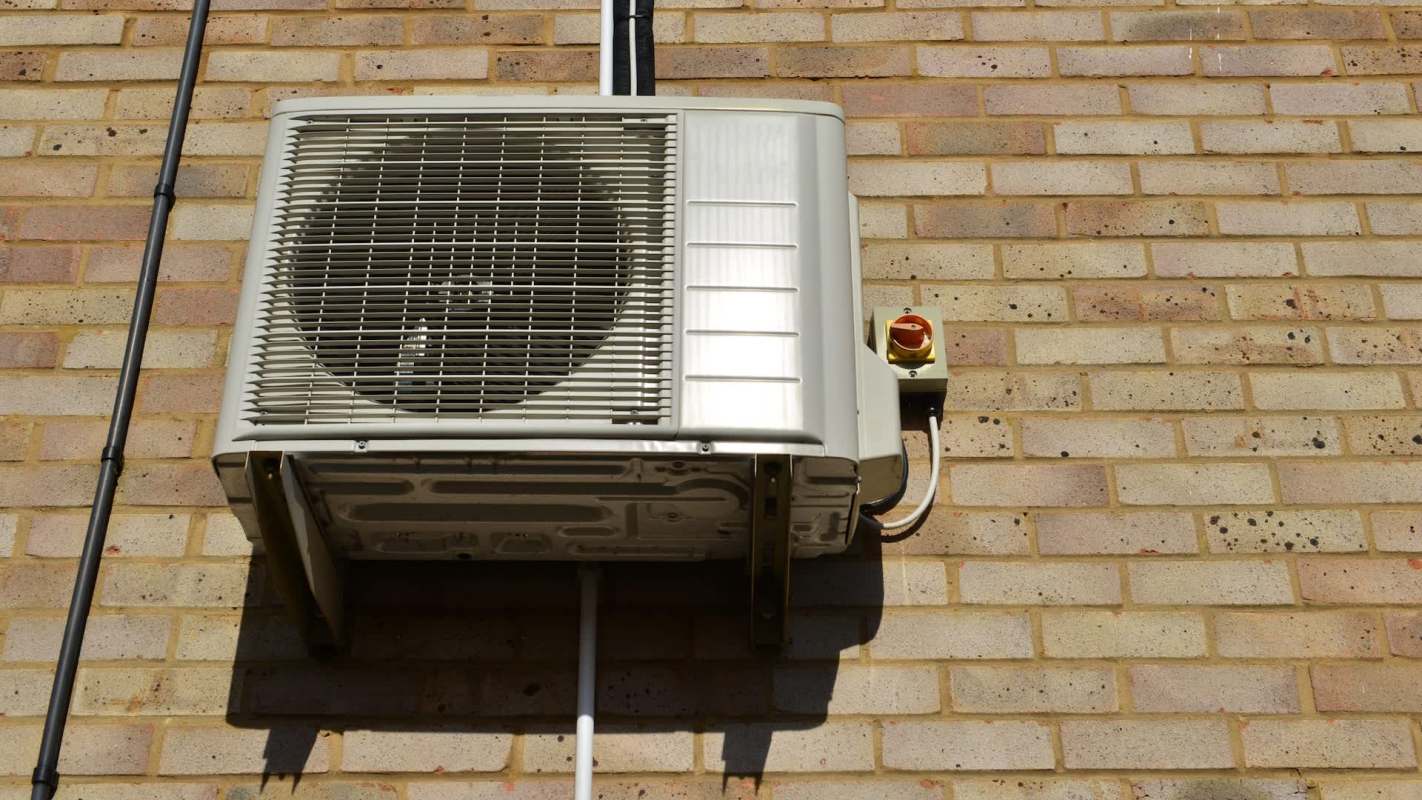
A U.K. homeowner preparing to install a Powerwall 3 and solar panels asked whether adding an expansion battery from the start would be excessive.
Commenters suggested the exact opposite. One battery may be unreliable in winter, and adding another later could cost more.
Here's what to know
In a discussion on Reddit, the original poster said their home would have an 11.04-kW export limit and asked, "Is it worth adding another battery? Overkill for my setup?" after outlining plans for a Powerwall 3, about 5 kilowatts of solar, a 7-kilowatt air-source heat pump, 7.5-kW AC, and electric vehicle charging.
One commenter who already uses a heat pump said their first winter showed how tight that setup can be.
"I have a 4kw heatpump and it would only just make it through the day in the first winter," the commenter wrote. "And an expansion, and can now last all day easily, meaning we can just pay the 5p overnight rate for everything."
That user's experience shows how batteries can help households save money on energy, gain more energy independence, and protect their homes during outages.
Homeowners comparing options can explore EnergySage for home battery storage choices and competitive installation estimates. EnergySage has teamed up with electrification brand Qmerit to help homeowners get the best price on home battery storage solutions.
More background
Several commenters said the real issue is less the headline battery size than winter demand.
Crushed by your bills? See instant solar savings from vetted installers in just a few clicks With energy prices through the roof, there's never been a better time to go solar — and EasyHome can help you find the best prices from the best installers in your area. EasyHome takes the guesswork and headaches out of energy upgrades by showing you estimated savings from a network of vetted local partners. To get started, just enter your ZIP and share a few details about your home — seeing your estimate is really that easy. |

One commenter focused on planning for the heating season first. They suggested estimating the heat pump's electricity needs, deciding how many months the system would be working hardest, and then using those assumptions to "crunch the numbers in a spreadsheet."
They also said winter sizing should not depend much on rooftop solar, because when heating is "full on," "you will get virtually nothing."
Another commenter said the decision depends as much on goals as on equipment. They advised calculating "baseline peak time usage" once the heat pump and air conditioning are both in the mix, then deciding whether the priority is a quicker payback or moving most household use onto cheaper off-peak electricity.
The original poster also asked, "Can I export what I don't use?" and got a yes. For a household with an 11.04-kW export limit, unused stored or solar power can help offset costs.
What can be done?
Several commenters said to ask for both a same-day installation price and a later-addition price before deciding.
The pricing examples shared in the thread pointed to a potentially meaningful gap. One commenter said a single unit cost £7.5k (~$10,039 USD), while a two-battery setup came to £10.7k (~$14,322), making the added battery about £3.2k (~$4,283).
Some commenters raised a separate issue around warranty support. One Reddit commenter warned that because the installer controls the warranty, homeowners could end up with the company having "you over the barrel" if they tried sourcing an extra battery elsewhere later.
For people who do not need a full Powerwall-style setup sized for a 7-kW heat pump, 7.5-kW air conditioning system, and EV charger, Pila is another company offering strong battery backup options. Pila's plug-and-play batteries cost a fraction of a whole-home backup system.
Where can I learn more?
If you're weighing battery storage for a heat pump setup, household energy use and grid demand factor heavily.
• More than 100 German households showed heat pumps can balance the grid for years without sacrificing comfort.
• In Minnesota, one homeowner still wanted propane backup in winter despite encouraging sub-zero heat pump data.
• In Vermont, a homeowner said mini-split heat pumps made freezing-winter electric bills a "no-brainer."

Get TCD's free newsletters for easy tips, smart advice, and a chance to earn $5,000 toward home upgrades. To see more stories like this one, change your Google preferences here.






