


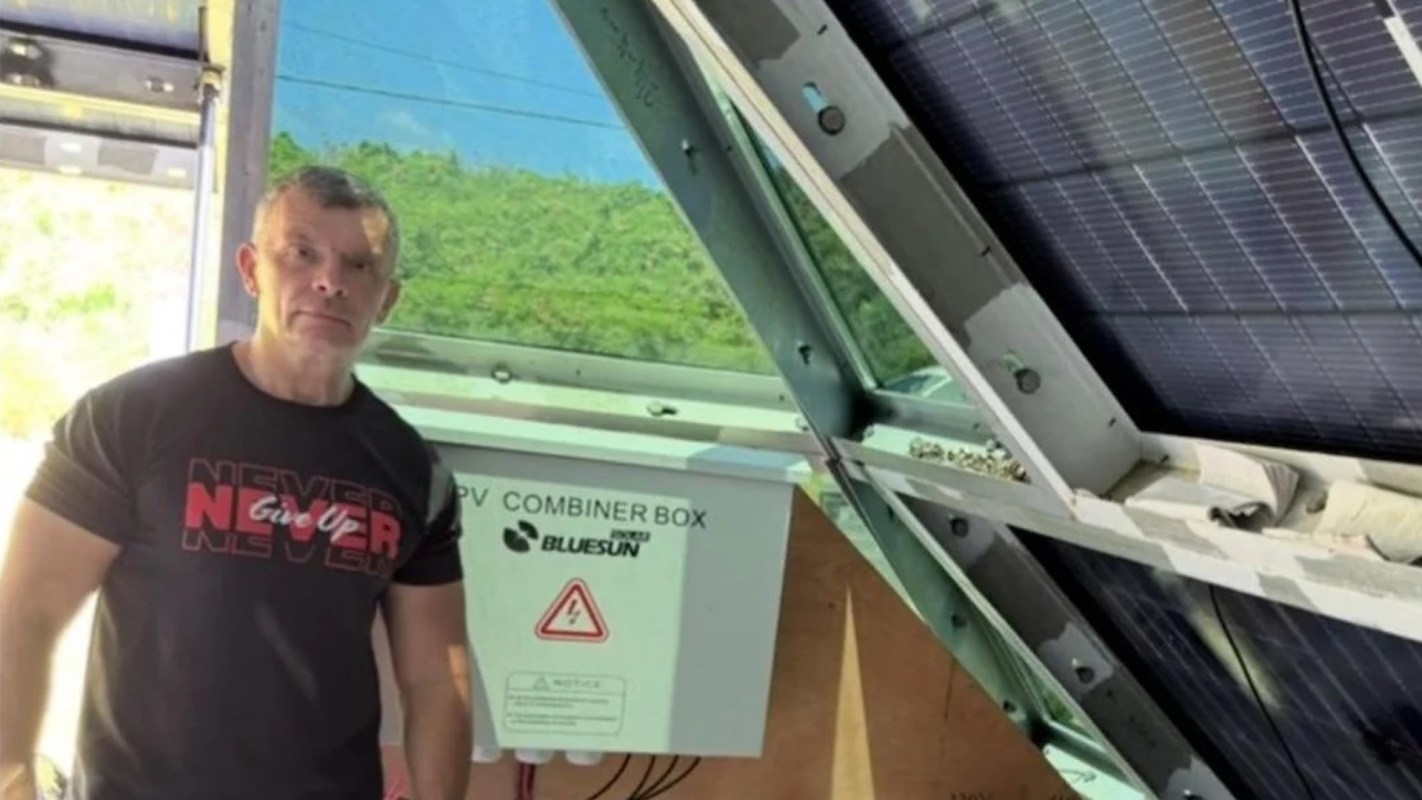
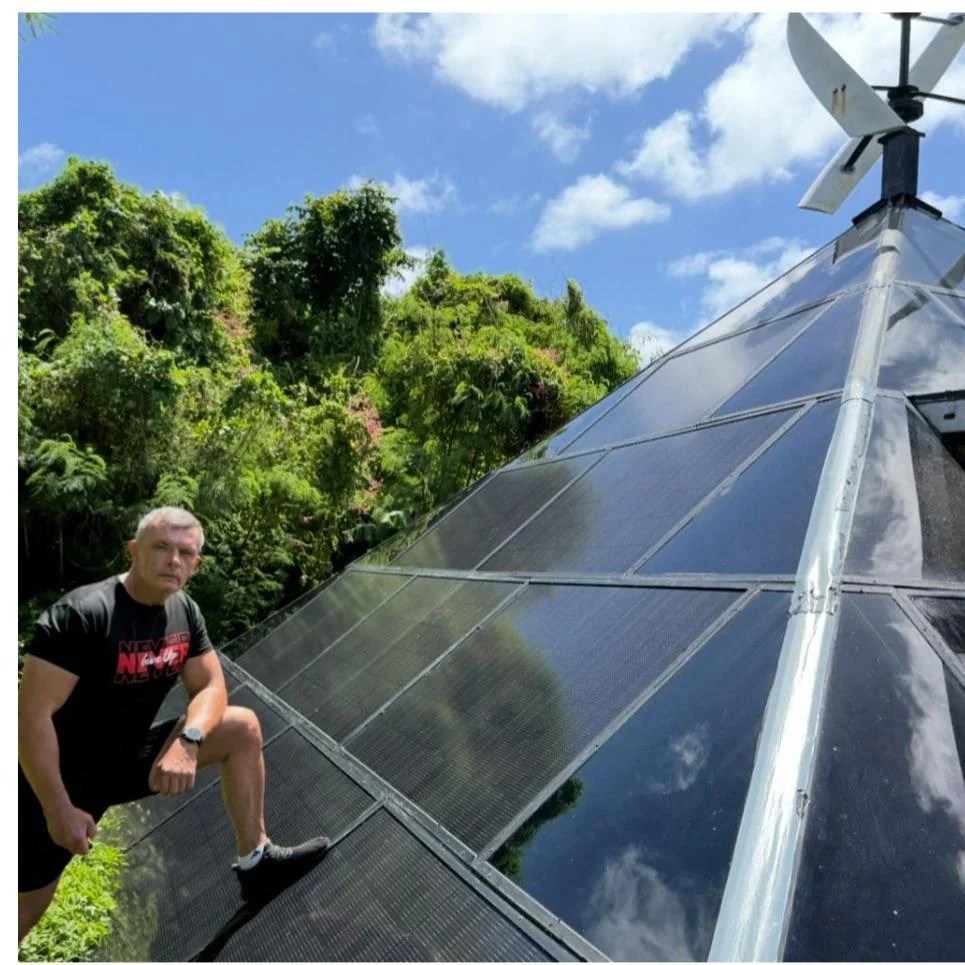
A DIY builder on Reddit gave solar fans a rare close-up look at an unconventional project: a four-tier pyramid carrying 40 panels and a fully visible electrical setup.
The thread did more than showcase the project. It quickly became a hands-on critique, with commenters questioning possible heat buildup around the inverter.
Here's what to know
According to the Reddit thread, the system is rated at 18 kilowatts overall. That total comes from 40 panels — 10 on each side — at 450 watts apiece, and the builder said output usually falls between 40 and 60 kilowatt-hours a day depending on sunlight.
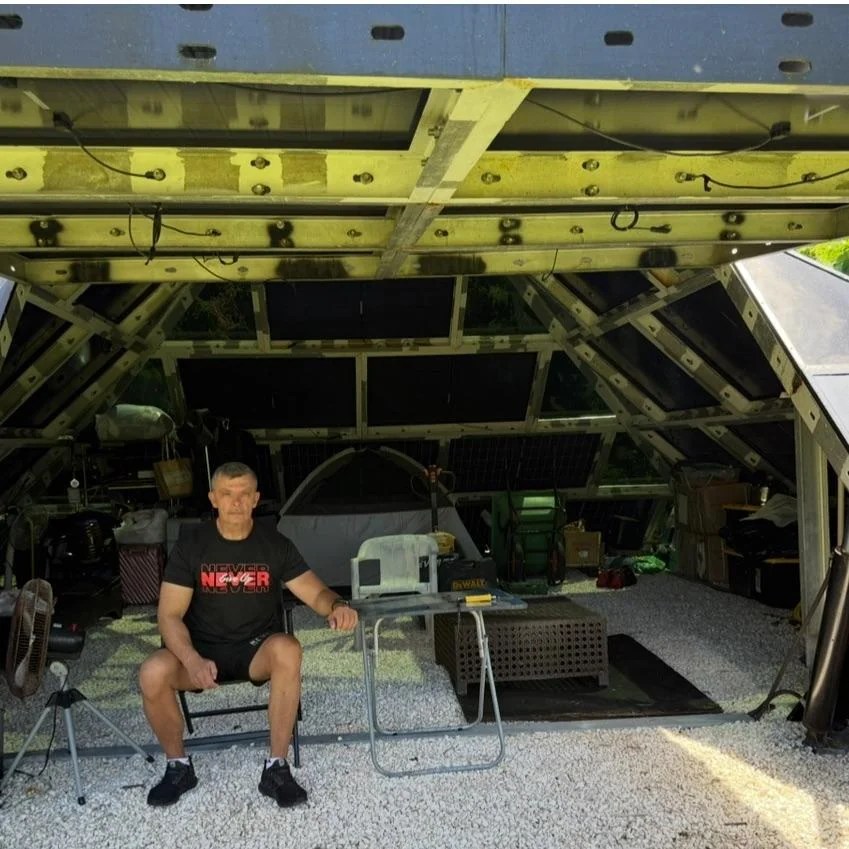
This updated two earlier posts about the same project, but this time the focus shifted away from the outside. The OP said, "Wanted to walk through the electrical side this time, and show the interior space and equipment," giving readers a better sense of the wiring, fusing, and routing involved.
For homeowners looking for something far more conventional than a solar pyramid, going solar is one of the best ways to save on home energy, and solar leases in particular can deliver hundreds of dollars in monthly savings with no upfront costs. Homeowners can use EasyHome to see pricing and savings from vetted installers in their area.
The layout comes with a compromise: only two faces get direct sun at once, so one performs better in the morning and the other later in the day.
More background
What made the post notable was how much of the hardware readers could actually see. Rather than a typical rooftop setup, where major components are often hidden, this build opened up the interior and made the electrical arrangement easier to inspect.
Showy solar projects can attract attention while still leaving basic design questions unresolved, including cable routing, enclosure choices, and maintenance access. Here, the walkthrough let Redditors judge those details instead of looking only at the panel layout.
Crushed by your bills? See instant solar savings from vetted installers in just a few clicks With energy prices through the roof, there's never been a better time to go solar — and EasyHome can help you find the best prices from the best installers in your area. EasyHome takes the guesswork and headaches out of energy upgrades by showing you estimated savings from a network of vetted local partners. To get started, just enter your ZIP and share a few details about your home — seeing your estimate is really that easy. |

The pyramid shape also introduces a factor that standard roof arrays usually avoid. With 40 panels spread across several faces, the structure's orientation changes when each section is positioned to produce most effectively.
The comments read almost like a peer check of the design, and the sharpest concern focused on inverter heat. Build posts that reveal this much detail tend to invite practical feedback before similar choices get copied.
What can be done?
Showing the inside equipment layout alongside the electrical walkthrough gave other DIYers a concrete basis for questions about cable paths, component placement, and how the system behaves across a full day.
One clear theme emerged from the discussion: unusual solar installations still need to protect critical electronics with good airflow. In this case, readers focused on the inverter area as a potential weak point that exterior shots alone might not have revealed.
For homeowners looking at a standard residential setup, EasyHome's free explorer tool is a practical way to compare vetted installers and understand local pricing before making a decision. EasyHome can also help homeowners explore their options for backup battery storage, and pairing solar with a battery allows homeowners to maximize savings and power their home with solar when the grid goes down.
That kind of tool can help homeowners compare a straightforward roof installation, a lease, or a solar-plus-storage setup against the kind of custom project that works best only for highly hands-on builders.
The OP said, "In practice, over a full day, that's putting out somewhere between 40-60kWh depending on how strong the sun is."
Where can I learn more?
These stories dig into many of the same questions raised by the pyramid build, from system sizing and summer output to backup power and installation safety. They cover rooftop safety, oversized home arrays, blackout-ready backup power, and summer performance.
• An electrician's question about getting panels up cut through the hype around rooftop solar installs.
• One homeowner's 76-panel solar array looked excessive until he broke down his power needs.
• In Australia, a 20kW solar setup made blackouts disappear and even earned bill credits.
• During 90-degree weather, rooftop solar powers AC, two EVs, and still leaves extra.

Get TCD's free newsletters for easy tips, smart advice, and a chance to earn $5,000 toward home upgrades. To see more stories like this one, change your Google preferences here.






