


Upgrading to a heat pump water heater can cut water-heating costs by hundreds of dollars a year for some households, often $300 to $500, depending on energy rates and usage.
But for homeowners still using a standard tank, even a basic safety question—whether to test the temperature-and-pressure relief valve every year—sparked sharply conflicting advice in one Reddit thread.
Here's what to know
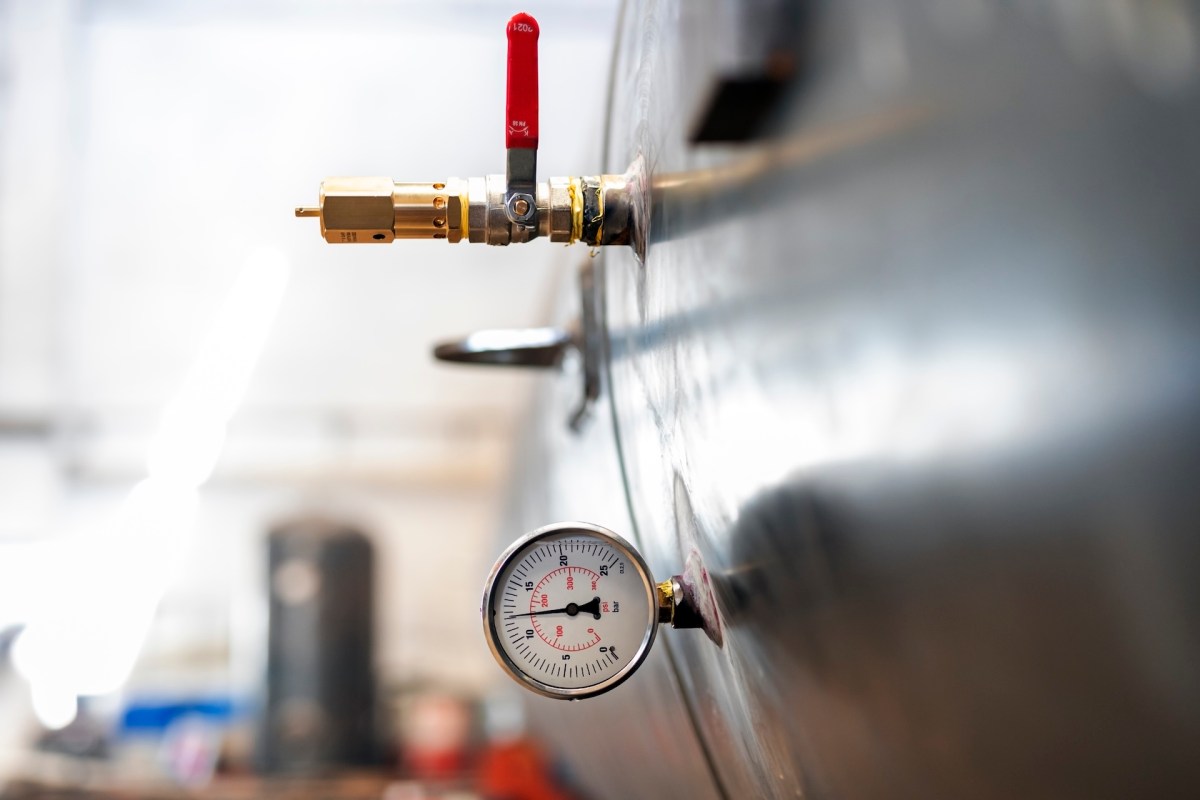
On Reddit's r/askplumbing, a homeowner described getting two very different answers about T&P valve maintenance: online guidance made it sound like a yearly manual check for water flow was smart, while a technician visiting for a furnace tune-up advised leaving the valve alone.
The original poster framed the issue around a major safety concern, writing that the valve is "a fail-safe to prevent your tank from exploding." They asked, "Should you annually test the T&P Valve on a hot water tank to ensure some water trickles out of it?"
Most commenters who responded pushed back on testing it. One commenter wrote, "Technically they're supposed to be replaced every 3-5 years. Realistically? You shouldn't have to worry about it."
Another commenter was even more direct: "Don't do it. 50/50 chance it will leak," to which another commenter replied, "This guy plumbs."
More background
Much of the confusion came from the difference between web advice and the technician's warning. The homeowner said search results made annual testing seem normal, but the technician recommended not touching the valve because "touching it could cause issues with resetting the pin."
The homeowner also pointed to a common gap in real-world maintenance habits, writing, "I also don't know of anyone in my life that does this."
Crushed by your bills? See instant solar savings from vetted installers in just a few clicks With energy prices through the roof, there's never been a better time to go solar — and EasyHome can help you find the best prices from the best installers in your area. EasyHome takes the guesswork and headaches out of energy upgrades by showing you estimated savings from a network of vetted local partners. To get started, just enter your ZIP and share a few details about your home — seeing your estimate is really that easy. |

Several commenters steered the conversation toward scheduled replacement instead of annual testing. One suggested replacing "the anode rod and t&p just before the 6-year warranty is up," then running the heater for six more years before replacing the whole unit.
What can be done?
For homeowners already nearing that replacement decision, Cala offers a different path than simply installing another conventional tank. Cala's customizable smart heat pump water heaters can help homeowners lower energy bills by heating water only when needed. That can reduce wasted energy from constantly reheating stored water while also giving households a more modern replacement option than a standard tank.
If the dilemma is whether to keep nursing along older equipment or upgrade, smarter systems may help on both fronts. A replacement from Cala can turn a maintenance headache into an opportunity to lower utility bills and better match hot-water use to a household's daily routine.
One commenter summed up the thread's prevailing view this way: "Yes, you replace it to make sure itll work. If that valve goes off you have bigger problems than just water in that drain line. Trust the part."
Where can I learn more?
These stories dig further into the water-heater questions raised here, including maintenance basics, corrosion-related replacement decisions, plumber views on heat pumps, and the pros and cons of tankless systems.
• A home expert says to keep your water heater maintained to avoid breakdowns and extra costs.
• A homeowner with a corroded 10-year-old gas heater weighs tankless replacement options.
• A retired plumber says the biggest misconceptions about heat pump water heaters are fading fast.
• After questionable advice, a homeowner asks whether heat pump water heaters really deliver savings.
• Many homeowners find tankless water heater benefits appealing when old tanks become expensive to run.

Get TCD's free newsletters for easy tips, smart advice, and a chance to earn $5,000 toward home upgrades. To see more stories like this one, change your Google preferences here.






