


Upgrading to a heat pump water heater can trim utility bills by around $300 a year, so even an emergency replacement can turn into a money-saving opportunity.
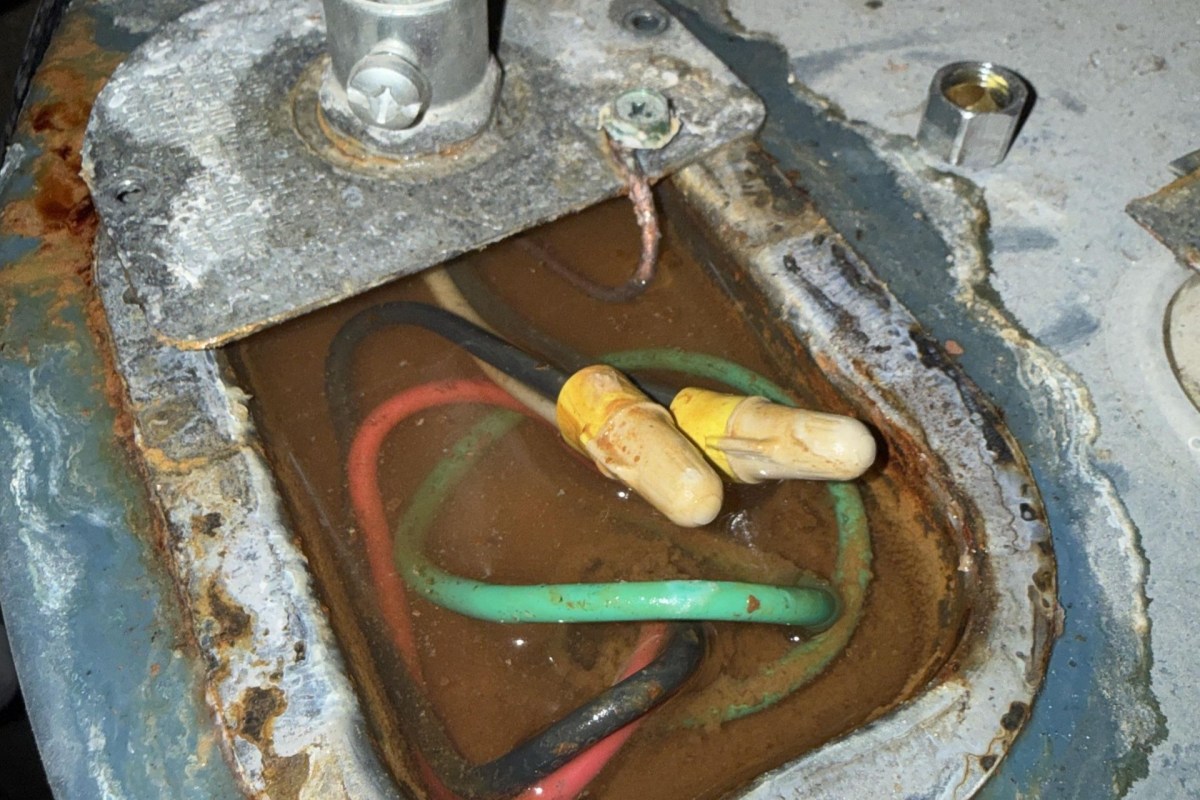
That was the silver lining in a troubling Reddit post, in which a homeowner said water was seeping into an electric water heater near the electrical inlet even though the breaker never tripped.
Here's what to know
After noticing water on the floor, the homeowner asked for replacement advice after tracing the leak to the top electrical inlet of an electric water heater. They added that water could be seen seeping in when water was running.
The strongest early advice from commenters wasn't about brands or tank size; it was safety.
"Step 1: Turn the power off," one commenter wrote in all caps. That same reply also urged the homeowner to rule out the unlikely possibility that water was coming from above through the electrical conduit.
The original poster said they had already checked that possibility, replying: "Yep I checked to see if it was coming down through the conduit or anywhere else above it, not the case. Thank you."
The original poster also asked what type of heater they should look at in case they needed to get a replacement, adding that they need one big enough for a family of six.
Most replies treated replacement as the likely outcome. One user said that if the old tank had been keeping up, swapping in another of the same size would make sense, though a six-person household might do better with two heaters than with one extra-large electric model above 55 gallons.
Crushed by your bills? See instant solar savings from vetted installers in just a few clicks With energy prices through the roof, there's never been a better time to go solar — and EasyHome can help you find the best prices from the best installers in your area. EasyHome takes the guesswork and headaches out of energy upgrades by showing you estimated savings from a network of vetted local partners. To get started, just enter your ZIP and share a few details about your home — seeing your estimate is really that easy. |

More background
What made the post especially alarming was the false sense of security around the breaker.
Several commenters said the breaker staying on shouldn't have been reassuring. One asked, "Why would the breaker trip? I'm sure it isn't on a GFCI or AFCI breaker," pushing back on the idea that the electrical panel would necessarily catch this kind of hazard.
Another commenter warned that even if the wire nuts were submerged, the breaker might trip only about half the time. They added that mineralized water could conduct without making the problem immediately obvious because the area was "water-cooled," and they called it an "extremely dangerous condition."
The rusty-looking water in the photo also drew attention. One person said it could suggest an anode-rod issue or internal rust, while another explained that leaks at a fitting, the T&P valve, or the drain valve can sometimes be fixed, unlike leaks from the tank's bottom or seams, which usually mean replacement.
Here, the leak was discovered only after water reached the floor, so the visible mess showed up before any breaker-based warning.
What can be done?
Commenters laid out a straightforward response: cut power, close the cold-water supply valve, and drain the tank.
For homeowners who need a replacement, Cala makes customizable smart heat pump water heaters that can help them lower energy bills by heating water only when needed.
That could be especially helpful for a larger household like the poster's family of six, where showers, laundry, and dishes can quickly pile up. Because Cala's smart heat pump water heaters are customizable, homeowners can match heating schedules to daily routines instead of constantly reheating water the old-fashioned way.
On sizing, the Reddit discussion suggested that if the old unit was adequate, replacing it with a comparable size could work, while a bigger household may want to think about two heaters instead of one extra-large electric tank. Homeowners comparing those options can also look at a smart replacement from Cala.
Where can I learn more?
This leak scare isn't unusual. Other homeowners have also run into water heater problems that called for an immediate shutdown.
• After floodwater reached one heater, the gas valve and controls were suddenly in question.
• One homeowner was shaken after a faulty water heater blew up.
• On Reddit, terrifying footage showed a broken water heater causing house-rattling explosions.
• A terrified renter asked, "Am I in danger?" after fearing an appliance explosion.

Get TCD's free newsletters for easy tips, smart advice, and a chance to earn $5,000 toward home upgrades. To see more stories like this one, change your Google preferences here.






