


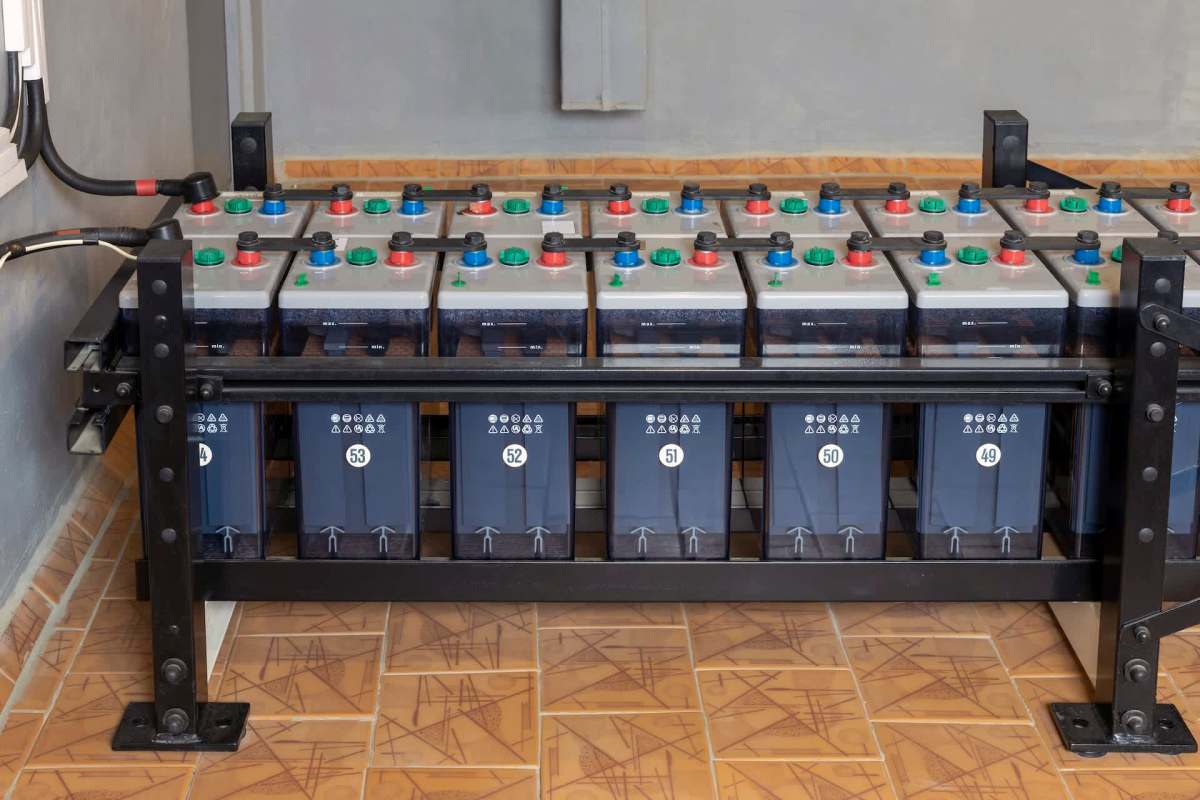
A 105-unit affordable housing building in Buffalo, New York, added a battery system large enough to stand out even in the rapidly expanding energy storage market.
Good Carbon Co. said the 3.75-megawatt-hour Viridi system may be the biggest indoor lithium-ion battery installed so far in an occupied U.S. apartment building.
Here's what to know
Apartment residents usually cannot add their own energy resilience equipment, so the Peace Bridge Place project could help fill that gap.
Solar Power World reported that the batteries fill seven separate rooms and are designed to keep power flowing to the all-electric building when outages hit.
Beyond backup power, Viridi's RPSLinkIN system can cut electricity use during peak-demand windows, a function that may reduce costs for the 105-unit building while also taking some pressure off Buffalo's local grid.
For homeowners, adding battery storage is one of the best ways to protect a home during outages while also avoiding some of the most expensive periods for electricity use. A battery can also increase energy independence by storing power for later use, and EnergySage can help people explore home battery storage options and compare competitive installation estimates.
EnergySage has teamed up with electrification brand Qmerit to help homeowners get the best price on home battery storage solutions.
More background
Good Carbon Co. included the battery in a retrofit that also added geothermal HVAC, domestic hot water improvements, and building-envelope upgrades.
Crushed by your bills? See instant solar savings from vetted installers in just a few clicks With energy prices through the roof, there's never been a better time to go solar — and EasyHome can help you find the best prices from the best installers in your area. EasyHome takes the guesswork and headaches out of energy upgrades by showing you estimated savings from a network of vetted local partners. To get started, just enter your ZIP and share a few details about your home — seeing your estimate is really that easy. |

A fully electrified building depends on reliable power for essentials that residents use every day, including heating, cooling, and hot water. Extended backup power can make blackouts less disruptive and help maintain comfort and safety for the people living there.
Large batteries usually show up in utility projects or detached-home systems, but this 3.75-MWh setup is inside an occupied apartment building.
For individuals considering their own backup options, battery storage remains one of the most practical ways to save money on energy over time while preparing for outages. If budget is a factor in domestic energy storage decisions, Pila's plug-and-play batteries are priced at a fraction of what a whole-home backup system would cost.
What's being done?
Support for the project comes from the New York State Energy Research and Development Agency through the Future Grid Challenge, and Peace Bridge Place is also participating in a National Grid pilot.
To help the property react when National Grid calls for support during peak demand, Viridi's storage system will operate with EnergyHub's Edge Distributed Energy Resource Management System, or DERMS. The pilot is exploring how responsive, grid-connected technology can be built into National Grid's power network.
That approach is key to keeping the economics of affordable housing on track.
"Energy is one of the biggest operating costs in multifamily housing, and how you manage it directly affects the long-term performance of a property," Good Carbon Co. CEO Adam Serbert said in a statement. "At Peace Bridge Place, Viridi's battery and energy management technology will help us reduce peak demand, avoid higher-cost periods and participate in demand response programs.
"That means lower operating costs, new revenue opportunities, and a stronger economic foundation for keeping the property affordable and well maintained. For us, this is not just about one building — it is about creating a model we can apply across future multifamily projects."
Where can I learn more?
Battery storage is showing up in more residential and grid-support settings, especially in New York and other places testing flexible power systems.
• In New York, renters stayed cooler during record heat as plug-in batteries cut grid strain.
• Yotta Energy built modular batteries inside solar panels, shrinking storage footprints for buildings.
• Across the U.S., huge batteries have changed how utilities handle rising power demand.
• In China, the world's largest sodium battery unit began powering thousands of homes each day.
• In Maine, Form Energy is using the power of rust for massive long-duration storage.

Get TCD's free newsletters for easy tips, smart advice, and a chance to earn $5,000 toward home upgrades. To see more stories like this one, change your Google preferences here.






