


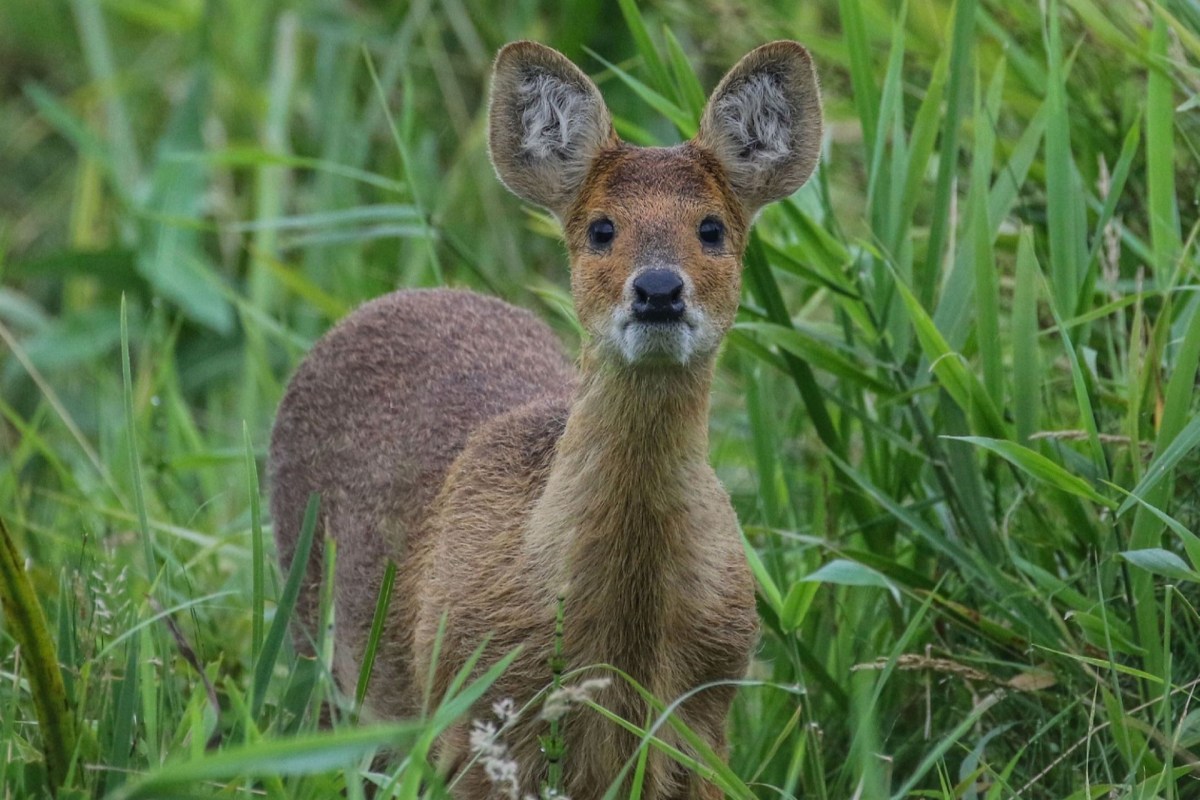
A rescue at a Cambridgeshire farm took an unusual turn when a Chinese water deer, a tusked species uncommon in the United Kingdom, fell about 13 feet (four meters) into a reservoir hole in Chatteris, where thick mud and plastic sheeting left it unable to climb out on its own.
Here's what to know
According to Hits Radio, the RSPCA was called on Oct. 7 about a deer trapped in a hazardous, water-filled hole at a farm in Chatteris.
When Animal Rescue Officer John Woods arrived on scene, he requested help from Cambridge Fire and Rescue.
Using ladders, crews from Chatteris and Dogsthorpe reached the animal, stranded roughly 13 feet below ground level. The rescue concluded with the deer safely removed and returned to the wild unharmed.
Native to China and Korea, the species is found in England mostly in Bedfordshire, Cambridgeshire, and Norfolk.
The RSPCA and local fire crews combined animal rescue experience with the equipment needed to work in deep mud and standing water.
TCD Picks » Quince Spotlight
💡These best-sellers from Quince deliver affordable, sustainable luxury for all




More background
Unlike the deer many people in Britain are used to seeing, Chinese water deer don't have antlers and are known for their noticeable tusks.
Its appearance in Cambridgeshire makes sense because the county's fenlands offer the habitat Chinese water deer prefer, making places like Cambridgeshire and Norfolk important pockets for the species in the U.K.
The conditions surrounding this rescue highlight the challenges wildlife face near working farms and water infrastructure. A steep-sided hole lined with thick mud and plastic sheeting can become a serious trap for an animal, even one adapted to wet landscapes.
In a place like Chatteris, where farmland and wildlife habitat can overlap, a single call for help can mean the difference between an animal staying trapped and being released back into its habitat.
What's being done?
After Woods assessed the situation, crews from Chatteris and Dogsthorpe brought ladders to the farm so they could reach the animal.
The rescue ended with the deer being returned to the wild. For an animal living in one of the few U.K. regions where its species is established, that meant going back to fenland habitat.
People who want to support the habitat and conservation work that helps wildlife survive in places like Cambridgeshire can also learn more about donating to climate causes.
"This poor deer couldn't climb out and was stuck," Woods said, according to Hits Radio, "but thanks to the fire crew's quick response, it was freed and returned to the wild."
Where can I learn more?
Wild animals can get into trouble in many ways, and rescues like this one often depend on quick help from nearby people, as these articles further show.
• In Georgia, wildlife responders cut a deer free from a plastic tube after an emergency call.
• On a busy highway, volunteers guided swans weaving in traffic to safety before they were hurt.
• An urban wildlife refuge was seeking volunteers to foster opossums as the young animals recovered.

Get TCD's free newsletters for easy tips, smart advice, and a chance to earn $5,000 toward home upgrades. To see more stories like this one, change your Google preferences here.







