


Before cranking up the heat or paying a technician, homeowners can try a quick check that uses nothing more than a sheet of paper.
Here's what to know
In a five-step cold-weather checklist, Tom's Guide says poor heat efficiency isn't always a boiler problem. While many people's first instinct is to turn up the heat, the problem may actually be poor insulation. To that end, the guide highlights windows, attic insulation, radiators, exposed pipes, and hidden drafts as places where homes commonly lose heat.
"Homeowners often focus on their boiler or thermostat when preparing for winter, but heat can also escape through small gaps and poorly insulated areas around the property," said Kaitlin Wood of Travis Perkins, per Tom's Guide.
To do this simple test, open a window and place a sheet of paper inside. Next, close and seal the window.
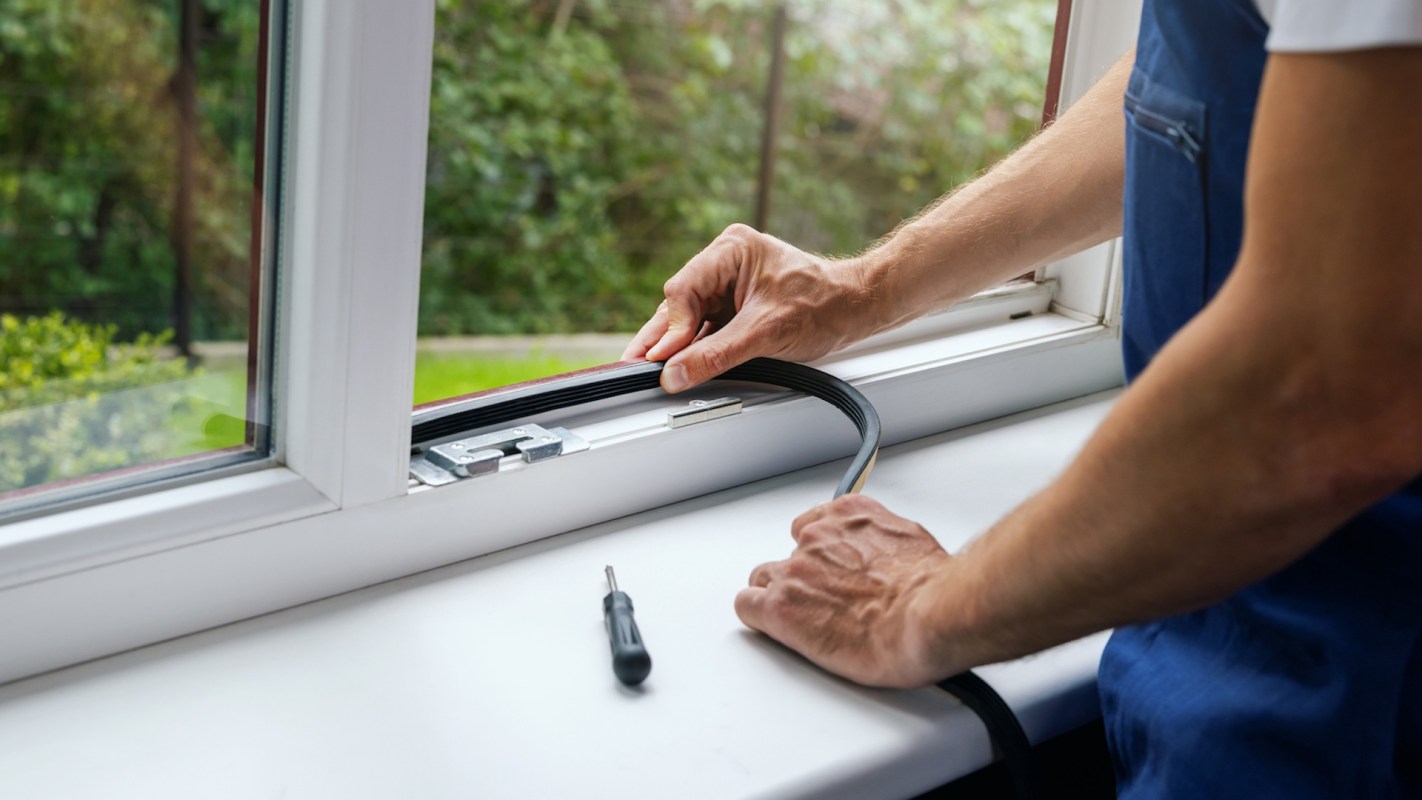
The paper test aims to check how tightly the window seals. If the paper slides out too easily once the window is locked, that strongly indicates the seal isn't tight enough, and warm air could be escaping through the gap. Once you identify trouble spots, the solution can be as simple as applying draft-proofing strips to those areas.
With home energy costs skyrocketing, simple, low-tech insulation can be far cheaper than constantly turning up the heat.
TCD Picks » Quince Spotlight
💡These best-sellers from Quince deliver affordable, sustainable luxury for all




There is no one-size-fits-all solution
However, just because a window fails the paper test doesn't mean draft-proofing strips are always the right solution. Rob Haddock, Senior Group Commercial Category Manager at Travis Perkins, said the right fix depends on the cause.
"A joiner or window fitter can establish whether the window needs a replacement seal, an adjustment, or a more substantial repair, helping homeowners avoid applying a product that is unsuitable for the window," Haddock said, according to Tom's Guide.
Check the attic
After windows, Tom's Guide pointed to attics as another easy-to-miss source of heat loss. Insulation can become less effective when loft boards or stored boxes compress it or push it out of place. Homeowners can use a tape measure to compare insulation depth in heavily used parts of the attic with emptier sections. Depending on the home's climate zone, depth typically should range from 10 to 24 inches.
However, insulation alone is not always enough to maximize heat retention.
"Adding more insulation will not necessarily solve the problem if it is then compressed beneath boxes or loft boards. Raising boarding can provide storage space while allowing the insulation underneath to retain its intended depth," said Haddock, as quoted by Tom's Guide.
Where can I learn more?
For more ways to keep heat in and energy bills low, these stories offer practical, low-cost solutions for homeowners.
• Simple steps like sealing windows and weatherizing can keep homes warmer with less energy.
• Budget-minded homeowners have used room dividers to trap warmth and avoid heating unused space.
• HVAC experts have said aluminum foil behind radiators can help push more heat inward.
• A meteorologist warned that turning the thermostat higher can waste money without fixing drafts.
• Closing interior doors changes airflow in ways that can affect a system's efficiency.

Get TCD's free newsletters for easy tips, smart advice, and a chance to earn $5,000 toward home upgrades. To see more stories like this one, change your Google preferences here.






