


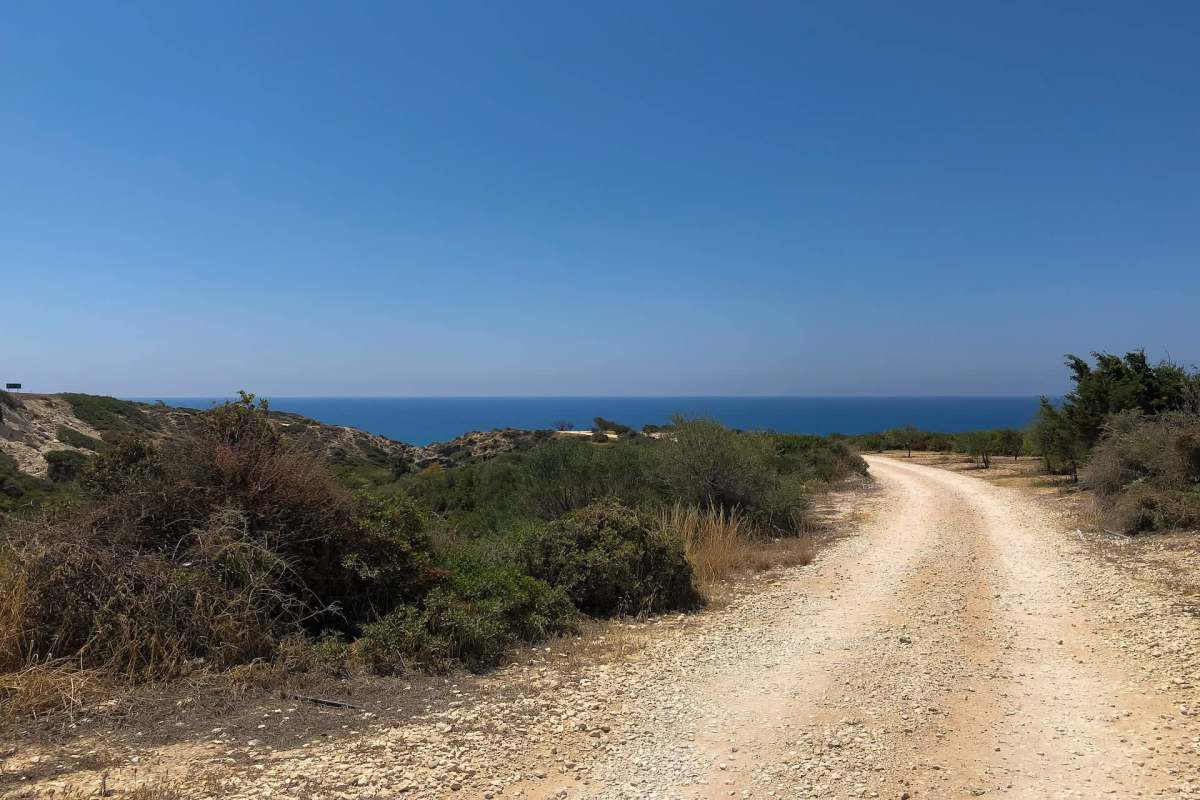
After half a year of paperwork and negotiations, a buyer in Cyprus has taken ownership of 10 rural acres and hopes to turn it into an off-grid farm. The emphasis, though, is on the groundwork needed before the property can support that vision.
Here's what to know
In a Reddit post, they wrote the deal was completed after "about six months of paperwork, negotiations and waiting." They said, "the plan is to build an off-grid farm/homestead over time — growing food, keeping animals, and eventually spending a lot more time living on the land (with potentially a micro brewery for small batch craft beer)."
They said the planning stage has covered water and road access, and that the harder part is getting those improvements done. They described the parcel as a hillside site with "c.20% sloped all around" and said, "First priorities are water, access, and simply getting to know the land through the seasons."
In the replies, readers quickly reinforced that focus. "Just congrats for this brave step," one said. "I'd combine water with solar if possible."
"Solar with battery storage will be the main energy setup," the OP replied, adding that agrivoltaics may later support growing areas.
More background
The OP also said the labor pool will be small, with "mainly two adults" handling the project. Because of that, they described the initial setup as something they'll tackle in measured stages rather than all at once.
TCD Picks » Quince Spotlight
💡These best-sellers from Quince deliver affordable, sustainable luxury for all




Other users' advice leaned toward patience and protecting the site. One commenter urged early work on "road maintenance, water diversion/drainage" and said any landscaping changes should be followed with native plants. Another offered a broader caution: "12 months is not enough time to learn enough about the site to make good long-lasting decisions."
The exchange highlighted the tradeoff that often comes with off-grid living: more independence over food, water, and power can require substantial early investment and planning. For this property, that means thinking about storage capacity, groundwater options, and the possibility of buying water in summer until the setup is established.
What can be done?
Rather than rushing into development, the OP's sequence starts with a workable water system and improved access. Only after that do they plan to watch how the property behaves across the seasons before making bigger decisions.
Specific topics included water storage, wells, rainwater harvesting, and solar pumping, with responses ranging from tanks placed high on the land and gravity-fed layouts to ram pumps, greywater diversion, and basic outdoor shower arrangements.
The buyer said the buildout will happen in phases and acknowledged that paying for summer water could be part of getting the property established. The conversation suggested that any resilience or reduced reliance on utilities depends first on getting those essential systems to function.
For the OP, the project's appeal is inseparable from its limitations. "Cyprus definitely has its challenges," they said, "but we're going in with our eyes open and treating water as the foundation of the whole project."

Get TCD's free newsletters for easy tips, smart advice, and a chance to earn $5,000 toward home upgrades. To see more stories like this one, change your Google preferences here.






