


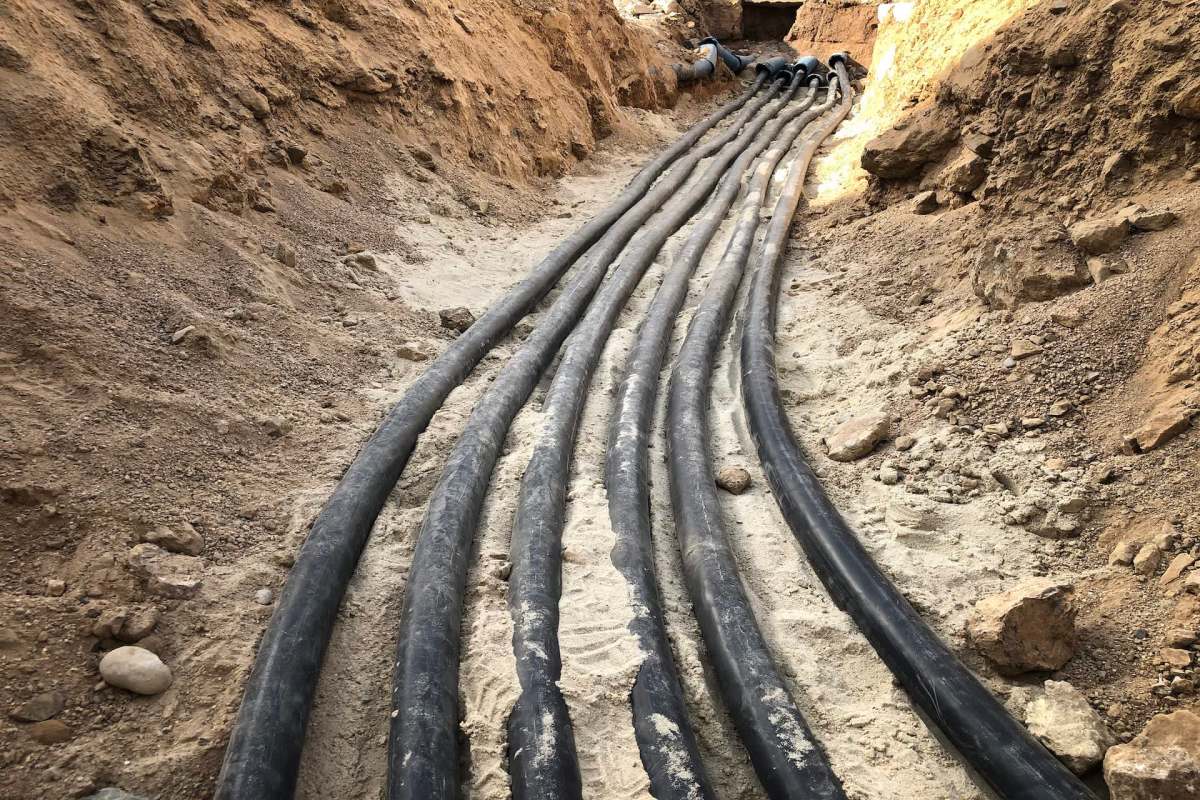
Hurricane Isaias tested Gulf Breeze, Florida's long-planned project to bury overhead power lines. City leaders say the underground utilities along U.S. Highway 98 helped speed power restoration and improve safety after the storm.
Here's what to know
Before the storm arrived, Gulf Breeze had moved more than two miles of utility lines underground in phase one of the project, according to WEAR News. Mayor JB Schluter said that investment paid off.
At the Santa Rosa Sound weather station, winds reached 91 to 116 mph. Schluter said the buried system "did the job," helping crews avoid the usual danger of downed live wires and preserving activity along the city's main business strip.
"We didn't have live wires and no debris and stuff like that along the streets. And also, we didn't have much downturn through the commercial area in that area right there," he added, per WEAR News.
Residents had been pushing for buried utilities since 2006, and the city started working toward the conversion in 2018.
More background
"With hurricane season as active as our hurricane seasons are, putting those power lines underground really reduces the risk of power outages for extended amounts of time, and then it also just really improves your resiliency," Utility Consultants of Florida project manager Stephanie Lindsay said in July 2025, according to WEAR News.
TCD Picks » Quince Spotlight
💡These best-sellers from Quince deliver affordable, sustainable luxury for all




The power improvements did not spare the city from broader storm damage. Schluter said Gulf Breeze's tree canopy took a heavy hit, and officials estimated that about 150,000 cubic yards of debris would have to be removed to keep streets safe, including for kids riding scooters and electric bikes.
What's being done?
City leaders say phase two of the undergrounding effort is already under way and will bring buried utilities to areas of Gulf Breeze that still rely on overhead lines, including neighborhoods outside the original commercial stretch.
About a third of Gulf Breeze neighborhoods already have underground utilities, Schluter told WEAR News. The second phase is expected to cost $8 million; the commercial corridor section cost $7.5 million, and the city has allocated $18 million for the entire project.
Recovery work is continuing alongside the utility upgrades. Debris collection will likely last another month as crews clear waste from public areas and roadways.
Residents can still get cases of water and tarps at the Gulf Breeze Community Center, per WEAR News.
Where can I learn more?
For more on how Florida communities and utilities are preparing for storms, check out the articles below.
• In Lakeland, a community solar microgrid lowered blackout risks during storms.
• In Southwest Florida, a solar-powered town rode out Hurricane Ian with limited damage.
• Florida Power & Light customers received an $80 million refund after 2024 storm overcharges.

Get TCD's free newsletters for easy tips, smart advice, and a chance to earn $5,000 toward home upgrades. To see more stories like this one, change your Google preferences here.






