


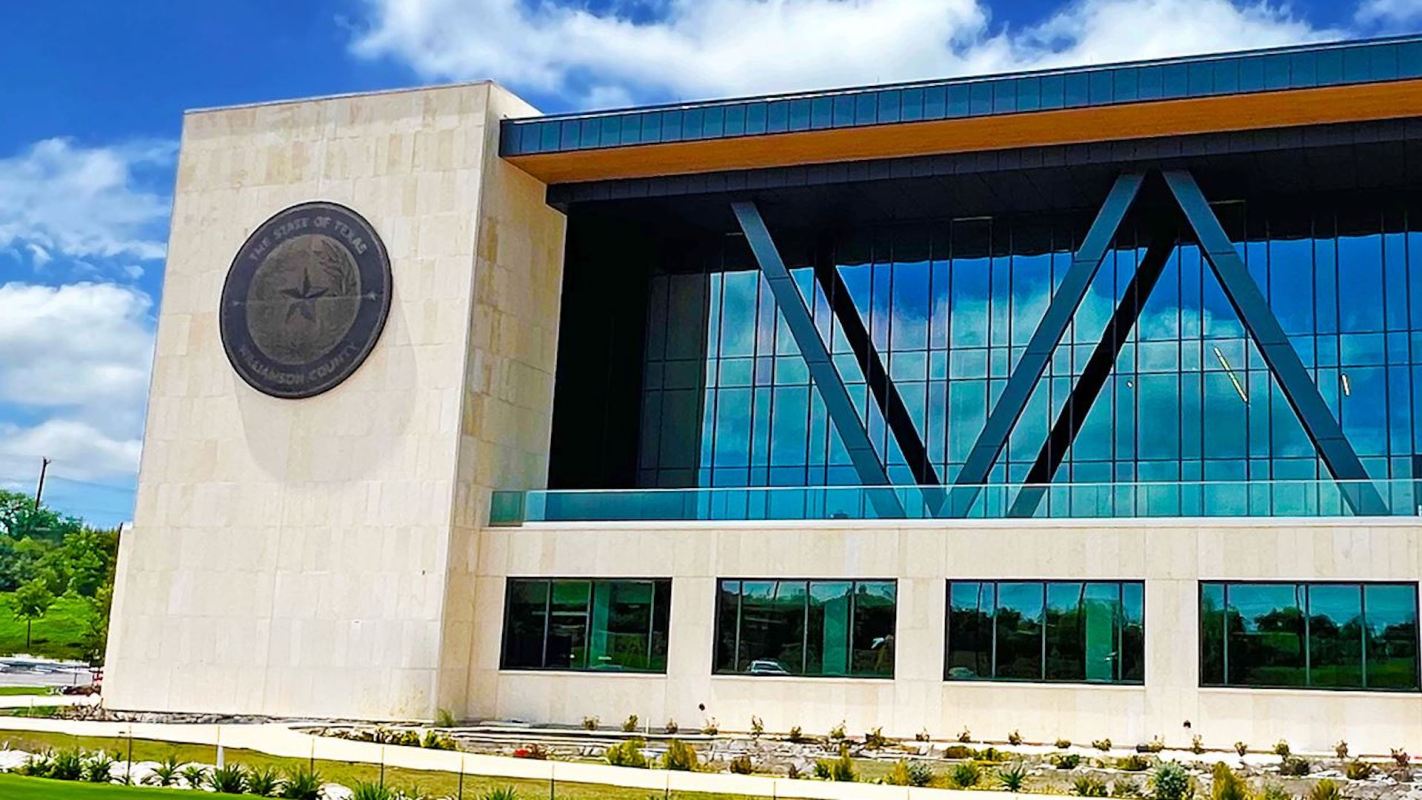
Williamson County is planning for a future in which at least some of its water may have to come from outside its borders.
To prepare for that possibility, leaders in the fast-growing Central Texas county approved a nearly $500,000 study to examine possible supplies and the infrastructure needed to bring that water in.
Here's what to know
According to KXAN, the Williamson County Commissioners Court approved a $498,700 contract with engineering and consulting firm Freese and Nichols to conduct a countywide water study and prepare a Regional Water Infrastructure Plan.
The move follows county leaders assembling a coalition of cities and water providers to address needs across Williamson County as a regional challenge, not one any single city can solve on its own.
Williamson County Judge Steven Snell framed the effort as a question of what the county will leave future generations, saying, "To me, it's legacy — what kind of legacy are we going to leave for our children and our grandchildren. We have to have water, so protecting the water, conserving water, finding new sources, bringing water to Williamson County for the future is all of our responsibility."
Officials said that sense of urgency comes from population growth, higher water demand, and concerns about future drought.
TCD Picks » Quince Spotlight
💡These best-sellers from Quince deliver affordable, sustainable luxury for all




The study is expected to take about a year to complete and outline the county's future water needs, possible supply sources, and infrastructure priorities.
More background
Round Rock Public Works Executive Director Michael Thane told KXAN that rapid growth in Williamson County is narrowing its water options.
He said the Edwards Aquifer is another constraint because it reacts sharply to drought, making it a less dependable long-term base for a county where demand is expected to continue rising.
In Thane's view, meeting future demand may require sourcing additional water from outside the county. Delivering that water over long distances would be expensive and would carry major consequences for utility planning and future infrastructure choices.
The water discussion is no longer just about conserving during dry periods. It is increasingly about how a rapidly growing county secures a dependable supply in the first place.
What's being done?
The Regional Water Infrastructure Plan is underway. By hiring Freese and Nichols, Williamson County is moving from preliminary discussions to a formal planning process intended to measure demand and identify workable supply options.
Officials said the study will pinpoint future infrastructure needs and potential sources of additional water.
Another goal of the plan is to improve the county's position for outside funding. County leaders said they want to identify projects that could qualify for state and federal funding, which could be especially important if the county has to import water from far away in the future.
The county is approaching the issue collaboratively. The coalition of cities and water providers, along with the yearlong study, aims to produce regional solutions instead of piecemeal fixes by individual communities.
For county officials, the challenge is already taking shape.
"Generally speaking, future water is going to have to come from somewhere else outside of the county. When you're pumping water many miles back to the county, that's going to get expensive. So working together for regional solutions is what this study is going to help get to so that we can provide regional solutions for the county," Thane said.
Where can I learn more?
Across Texas, communities are already grappling with drought and growth pressures that are driving Williamson County's planning push. These stories examine emergency shortages, new supply technologies, and fights over rising demand and shifting water conditions statewide.
• In South Texas, officials drilled new emergency wells as shortages deepened around Corpus Christi.
• In Corpus Christi, a worsening water crisis is offering Texas a warning about the future.
• In El Paso, officials are advancing drought-proof drinking water with a high-tech treatment plant.
• Across Texas, officials opened floodgates after storms briefly revived a drought-hit lake.

Get TCD's free newsletters for easy tips, smart advice, and a chance to earn $5,000 toward home upgrades. To see more stories like this one, change your Google preferences here.






