


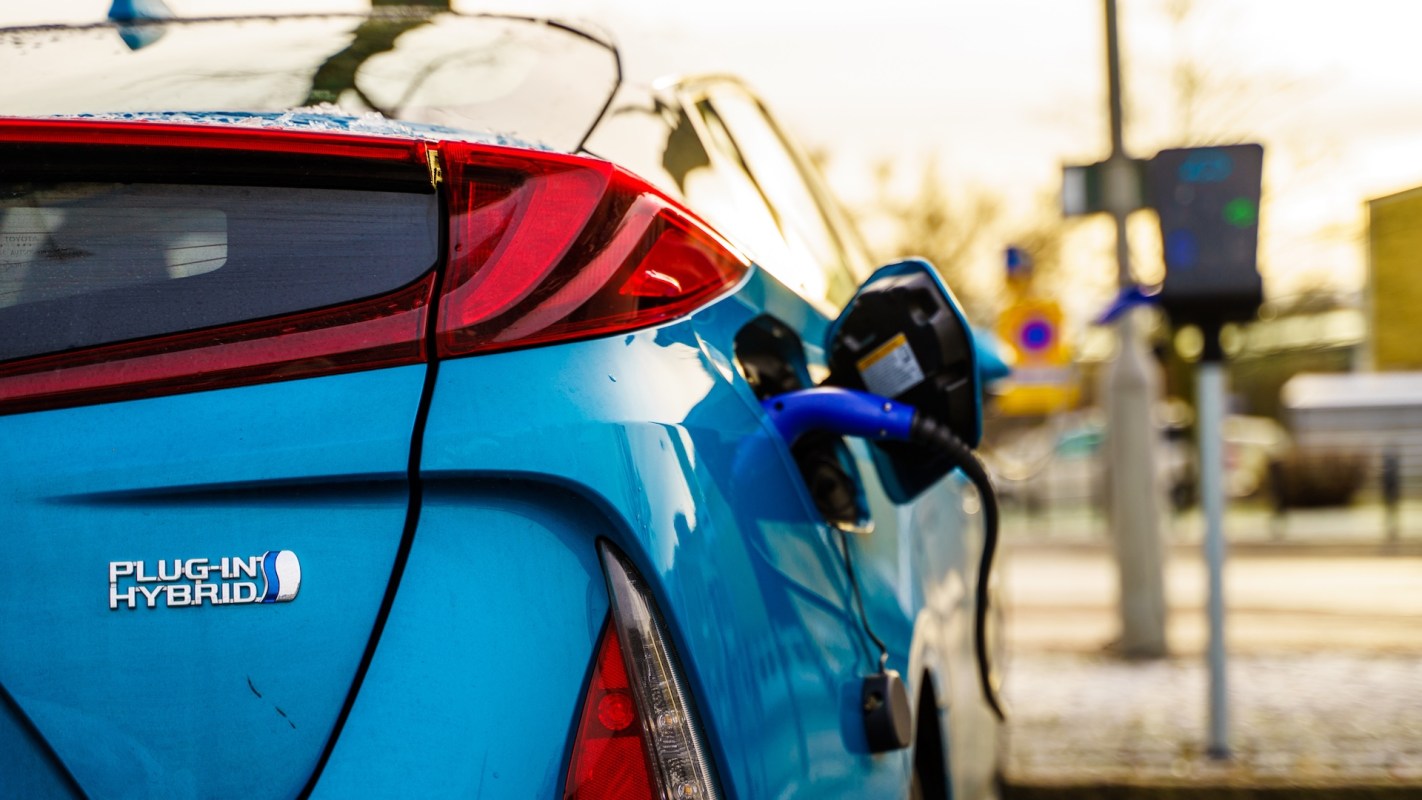
Gas took a bigger bite out of drivers' budgets in AAA's 2026 driving-cost study, but the cheapest alternative is not always an electric vehicle.
In a new analysis, Shayan_EV (@shayan_ev) argued that cheap home charging helps a lot but does not decide the comparison.
Here's what to know
Shayan, who shares information about EV batteries and charging, used a YouTube video to walk through AAA's 2026 numbers.
For its analysis, AAA used an average gas price of $4.152 per gallon, 31.8% higher than it was in 2025, and a home electricity price of 18 cents per kilowatt-hour. AAA also calculated that a new vehicle costs $12,863 per year on average to own and operate, with depreciation accounting for $4,422 of that total.
Within the set of AAA comparisons Shayan highlighted, a medium electric sedan came in about $3,080 per year above a comparable gas model, largely because its value fell faster.
"Fuel is a much smaller slice," he said. "So, a car can win the fuel race by a mile and still lose the money race."
TCD Picks » Quince Spotlight
💡These best-sellers from Quince deliver affordable, sustainable luxury for all




Even so, EVs remain far ahead on energy efficiency. Shayan, citing the Department of Energy, said they deliver at least 77% of grid energy to the wheels versus 12% to 30% for gasoline vehicles.
He used a 15,000-mile scenario, which translated to 13.8 cents per mile for gas, 10.4 cents for a hybrid, and 5.5 cents for an EV charged at home.
More background
Where the vehicle gets its electricity is the main factor that complicates the EV cost case. Shayan referenced Paren figures that show average public fast-charging prices reached $0.538 per kilowatt-hour in the second quarter.
In the example from his video, that would raise the EV cost to 16.3 cents per mile, higher than the gas car in that comparison.
That helps explain why hybrids can seem like the safest option. They still burn gasoline, but regenerative braking, reduced idling, and electric motor assist improve efficiency without asking owners to add home charging, plan around charging stops, or change daily routines.
The sticker price matters, too.
Using Cox Automotive data, Shayan noted that the average new EV sold for roughly $4,800 more than the average new non-electric vehicle. He said that extra upfront cost, combined with steeper depreciation over five years, can cancel out fuel and maintenance savings.
What can be done?
Shayan said the cheapest choice depends on four things: where charging happens, how many miles are driven each year, whether the vehicle is bought new or used, and how long it is kept.
One commenter pushed back on the pro-hybrid conclusion.
"Professional mechanic here: Hybrids effectively double maintenance costs," they wrote. "In addition, wear and tear on the combustion engine in hybrids is accelerated by start-stop technology, which ultimately reduces the service life of the vehicle."
In addition, the math could be tilted with different use cases and factors.
Shayan summed it up: "If you can charge at home and you drive a lot, an EV is very hard to beat. Especially if you keep it for a long time."
Where can I learn more?
Here's a closer look at trade-offs.
• For U.S. drivers, home charging costs 5-6 cents a mile.
• In many ownership comparisons, the battery is the reason EV costs diverge.
• Over years of driving, maintaining an EV can materially shrink ownership costs.

Get TCD's free newsletters for easy tips, smart advice, and a chance to earn $5,000 toward home upgrades. To see more stories like this one, change your Google preferences here.






