


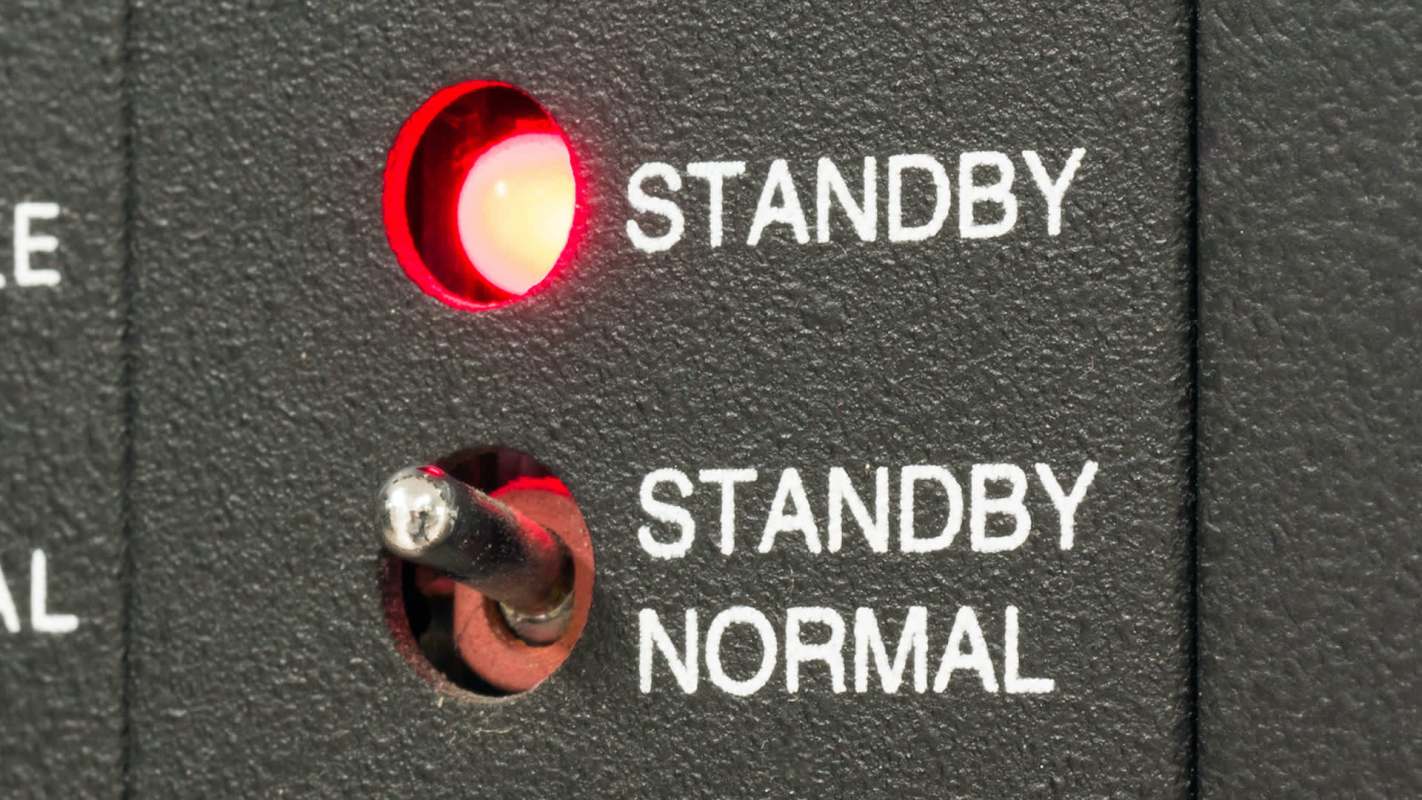
A confusing bill comparison sent one homeowner to Reddit for answers. Living in a 950-square-foot house from the 1950s, they said their monthly electric bill was over 10% higher than the bill for their parents' newly built 1,750-square-foot home.
They wondered if everyday electronics were the culprit.
Here's what to know
In a Reddit thread, the original poster said they usually switched devices off without unplugging them. The list of items around the house included TVs, a work-from-home station, phone chargers, pet water fountains, electric blankets, dehumidifiers, security cameras, and an electric doorbell.
Most of the responses on r/Frugal suggested standby mode probably was not the biggest issue.
"I've done the math on standby power. In my particular case, it adds up to dollars per year," one commenter said. "So basically not worth it to me to even worry about."
In another comment, the user added: "You need to compare your kWh usage to your parents', not just the $$$. If the actual power usage is significantly different, that will give a better picture."
TCD Picks » Quince Spotlight
💡These best-sellers from Quince deliver affordable, sustainable luxury for all




More background
Part of what made the situation odd was that some usual suspects had already been ruled out. The homeowner said the water heater was not electric, the air conditioner had already been put away, and the heat was still off.
Because of that, commenters turned their attention to the house itself. One pointed out that a 1950s home is "likely drafty AF and has comparatively poor insulation," while another said insulation is "a way bigger cost than people expect" when electric heating and cooling are involved.
People also kept coming back to appliance efficiency. One commenter asked about the age of the homeowner's appliances and asserted that "modern appliances probably use a lot less power."
Another offered an example from their own home, writing that after an old freezer failed, "my bill went down about $20/month," even though their electric bill had already been only about $70.
Maintenance was another theme. Someone else revealed that their own bill fell after they pulled their refrigerator away from the wall, removed the back panel, and cleaned dust from the coils and motor.
What can be done?
The advice centered around troubleshooting rather than unplugging every electronic item in sight. Commenters recommended checking kilowatt-hour usage as well.
They also urged the homeowner to look at the appliances and devices that draw power consistently. Dehumidifiers came up several times, as did the OP's electric blanket.
One commenter recommended borrowing a "kill-a-watt" meter from a library or buying one to check what specific appliances were using.
"The bigger fish to fry are constant and heavy loads," the first user concluded.

Get TCD's free newsletters for easy tips, smart advice, and a chance to earn $5,000 toward home upgrades. To see more stories like this one, change your Google preferences here.






