


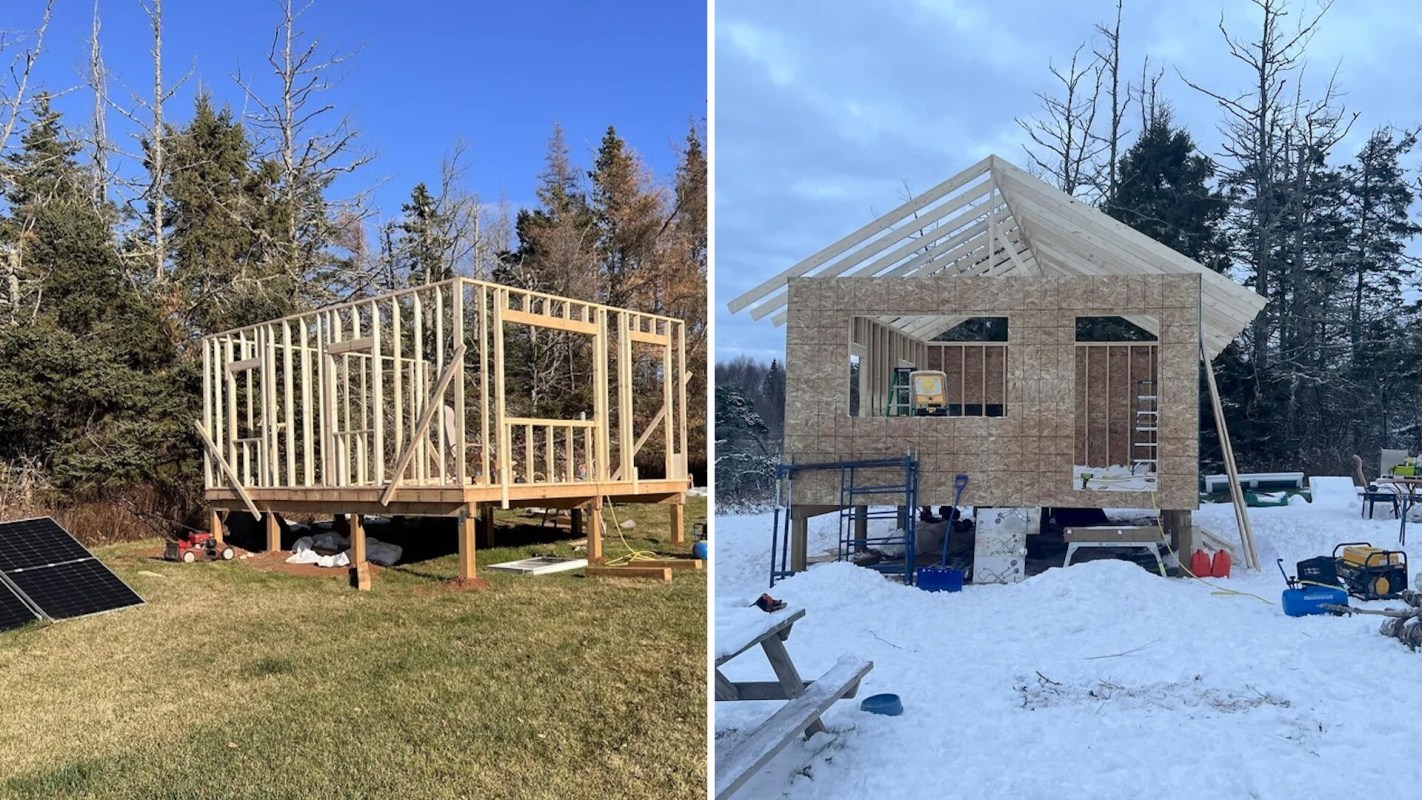
On a mostly wooded 100-acre property in Prince Edward Island, Canada, a do-it-yourself builder on Reddit has been slowly building a 16-by-20-foot off-grid cabin.
The project offers a realistic look at how energy independence can take shape through a gradual, small-scale build with clear trade-offs.
Here's what to know
On Reddit, the OP said the cabin sits on land cleared in 2022 and has a metal roof.
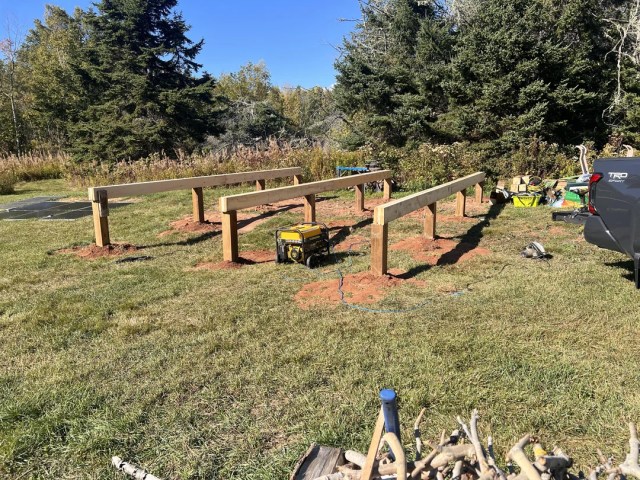
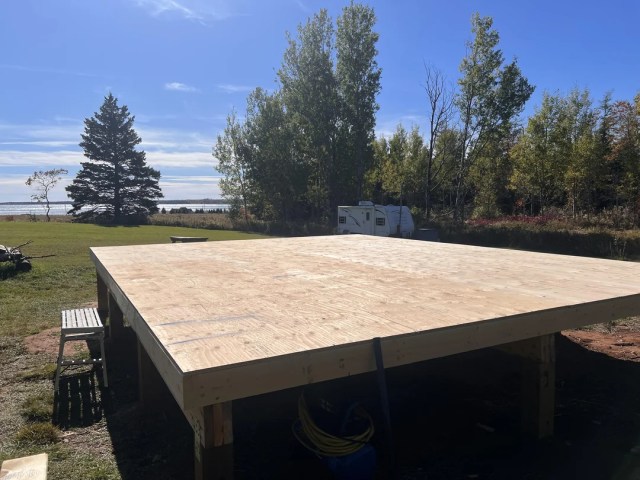
With the roof complete, the builder said the plan was to add a chimney and wood stove, with work focusing on insulation and a tongue-and-groove pine interior.
The builder also shared details about the cabin's power system, saying it uses an EcoFlow Delta Pro, one extra battery, and three 495-watt solar panels.
While that setup is modest compared with what a full-time household would typically require, it can still support short stays and basic cabin needs without a grid connection.
TCD Picks » Quince Spotlight
💡These best-sellers from Quince deliver affordable, sustainable luxury for all




Users focused on the build's practical details.
One asked, "I'm no expert, but how are you preventing lateral thrust without rafters? It looks like you have a ridge board instead of a structural ridge beam and post."
The OP replied: "Good question. I didn't get pictures, but there are collar ties and rafter ties that I installed inside."
Others were more interested in the project's look.
One user joked, "If you do vinyl siding, I'm going to come up there and take away your tools 😆," before adding, "Looks great man!"
More background
The post presents off-grid living as a work in progress rather than a polished fantasy.
Although the builder said the cabin is accessible in winter, they also noted that conditions aren't easy. In one reply about life on Prince Edward Island, the OP said: "Make it a summer home only. Winters are rough! lol."
A 16x20 structure on wooded land may reduce the need for a larger, more expensive footprint, but colder weather brings added demands for heating, insulation, and interior finishing before a space feels comfortable.
The post also made clear that not every system is fully built out yet.
When asked about bathroom plans, the OP said: "Right now it's my old camper I have onsite and a luggable loo in the colder months. I rarely have time to stay more than one or two nights at a time, so not a big issue for me. I need to come up with a more permanent solution next year as I plan to scrap the camper and pull it off-site."
That limited-use pattern helps explain why the solar-and-battery setup works for short stays. A weekend cabin and a full-time home come with very different demands for energy, plumbing, and weather resilience.
What can be done?
The builder is completing the project in phases.
After getting the roof in place, the builder said the project still needs a chimney, wood stove, insulation, and siding.
That incremental approach can help keep costs and complexity manageable for anyone considering a small cabin or backup retreat.
Rather than trying to complete every system at once, the builder appears to be tackling the essentials first: shelter, heat, power, and then interior comfort.
Users asked about framing, siding, and even toilet infrastructure, surfacing the kinds of issues that matter in real-world use. The builder answered directly about the roof structure and acknowledged that a "more permanent solution" for the toilet is needed after the camper is removed.
Off-grid projects can offer more control over energy use and help people avoid the cost or hassle of grid access in remote areas, but they still require careful planning, honest budgeting, and a willingness to solve one problem at a time.
The builder said: "Looking forward to getting more done this winter!"
Where can I learn more?
These stories get into the same practical questions that come up on small off-grid cabin builds. They cover water access, bathing, budgeting, inspections, and solar planning for homes beyond standard utility hookups.
• A cabin owner found living with no water reshapes nearly every off-grid routine.
• Off-grid homeowners say creative solutions for bathing make dry-cabin living more manageable year-round.
• One family showed how money-saving energy solutions and meal planning support off-grid living.
• Another homeowner found a lot to learn when sizing solar panels for off-grid power.

Get TCD's free newsletters for easy tips, smart advice, and a chance to earn $5,000 toward home upgrades. To see more stories like this one, change your Google preferences here.






