


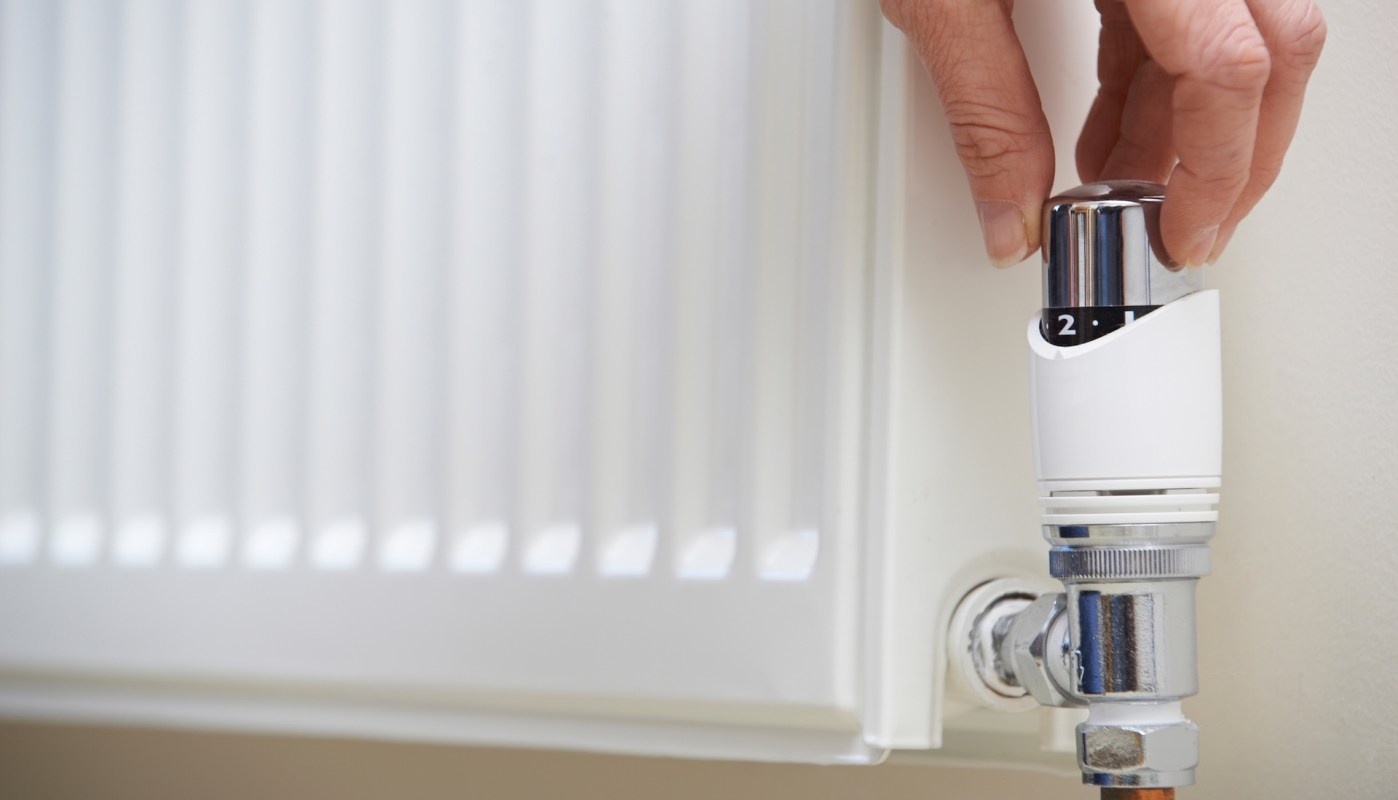
A small spring-loaded pin inside many radiator valves can stick after months of disuse, and Lee Saunders, a plumbing and heating specialist at Toasty's Plumbing and Heating, says households should check it.
Checking for that problem could spare homeowners chilly rooms, long waits for engineers, and wasted heat.
Here's what to know
In comments reported by WalesOnline, Saunders said people should test their radiators before they have to depend on them. His warning is partly about timing because heating engineers often face a flood of emergency callouts involving seized valves and radiators that stay cold.
Saunders singled out the thermostatic radiator valve, or TRV, as a common source of trouble. Saunders said, "After being untouched for the majority of the summer, the spring loaded pin in your Thermostatic Radiator Valves (TRVs) can easily seize up in the closed position."
A stuck pin can leave one radiator cold even if the rest of the heating system seems to be operating as normal. In many cases, he said, removing the TRV head and carefully lifting the pin with pliers — or freeing it with a light tap — is enough to get it moving again.
He stressed that the job should be handled gently. Saunders said, "Be careful not to force the pin too aggressively as it can be damaged, in most cases it shouldn't need more than a gentle nudge to get things flowing as they should."
TCD Picks » Quince Spotlight
💡These best-sellers from Quince deliver affordable, sustainable luxury for all




More background
Saunders said the checks should not end there, and pointed to another seasonal issue that can follow radiator bleeding, which is commonly done to release trapped air.
"We all know that bleeding our radiators is important as it removes any trapped air from the system," Saunders said. "However, it also can lower the overall pressure of your boiler and heating system which can cause issues including your system shutting down all together."
So a routine bit of maintenance can create a bigger heating problem if you don't check the pressure afterward. Saunders said the right level is "typically 1.0 to 1.5 bar," which helps the system continue running properly.
He also described the comfort and cost problems that come with unbalanced heating. When the radiators closest to the boiler heat first while those farther away stay lukewarm, more heat can end up in already warm rooms while other spaces wait to catch up.
The result can be wasted energy, higher bills, and parts of the home that still feel uncomfortable.
What can be done?
As a first step, Saunders recommends checking for seized TRV pins. He said once homeowners remove the TRV head, they can "grab a pair of pliers and gently grab the pin and ease it upwards or gently tap it to free it from its stuck position. It should move up and down slightly once fixed."
Next, he said, homeowners should restore boiler pressure after bleeding radiators. Saunders advised: "Use your boiler's filling loop to top the pressure back up to its correct level (typically 1.0 to 1.5 bar) so your system doesn't shut down when you need it most."
He also recommends balancing the system when some radiators warm much faster than others. Saunders said homeowners should locate the lockshield valve on the radiator that heats up first — usually opposite the TRV — and turn it slightly clockwise to reduce flow.
By restricting that easier path, the adjustment can encourage hot water to travel farther through the pipework instead of building up in the nearest radiators first. Saunders said, "It sounds completely backwards, but testing your radiators ahead of their first winter use is a game changer."

Get TCD's free newsletters for easy tips, smart advice, and a chance to earn $5,000 toward home upgrades. To see more stories like this one, change your Google preferences here.






