


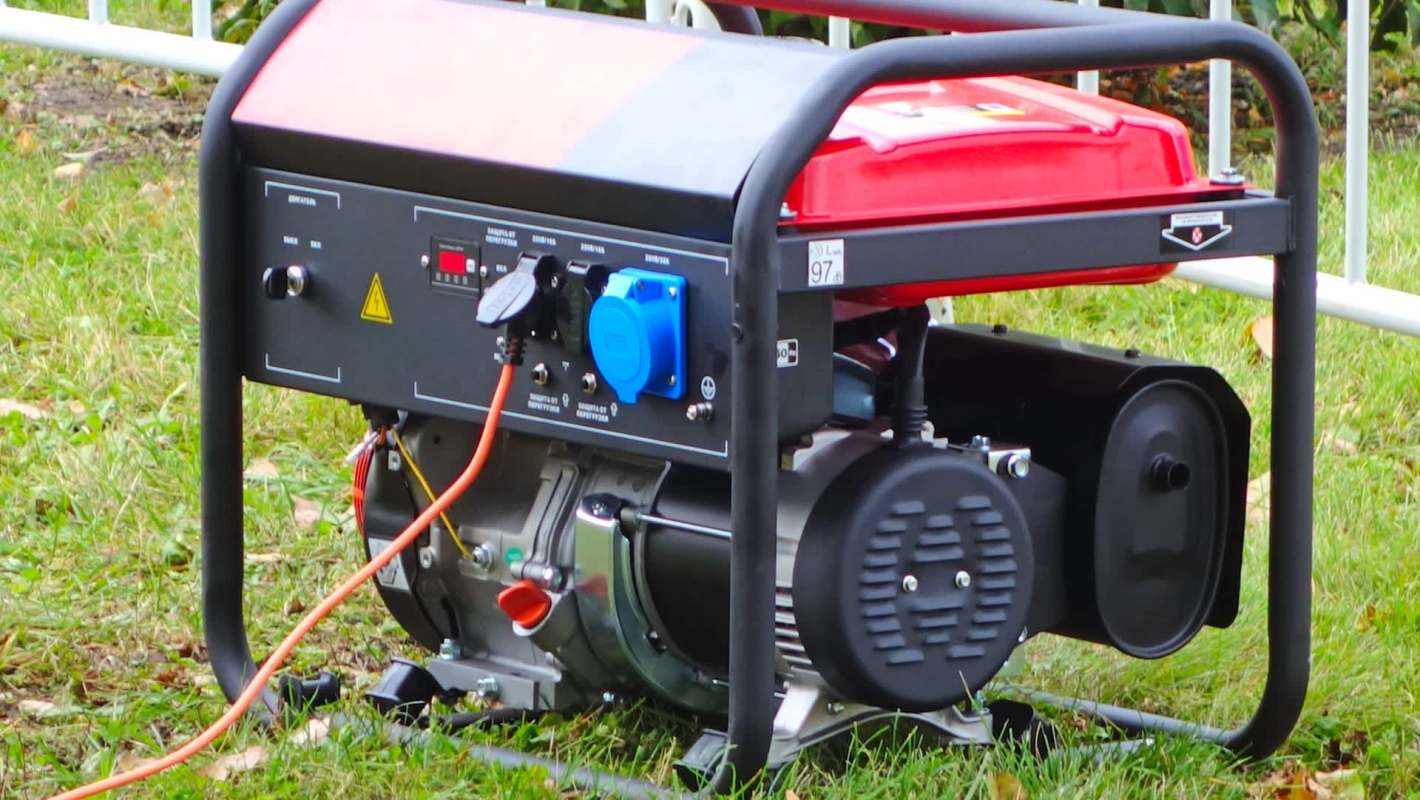
A $200 Briggs and Stratton Storm Responder 6250-watt generator listed on Facebook Marketplace drew skepticism from small-engine hobbyists after a prospective buyer shared that the seller said it "hasn't run in a few years" and that "the pull cord rips back when she [tries] to start it."
Most reactions framed the listing as a likely repair job, not an easy way to save money on backup power.
Here's what to know
After noting in a post on r/smallengines that they had some prior experience with small motors, the buyer asked whether the nonrunning generator was worth the risk. In response, commenters said the pull-cord kickback sounded less like a routine tune-up issue and more like a timing problem, possibly the cam, the flywheel key, or valve adjustment.
The reaction was blunt. "$200 would be nuts, you're in for a nearly full teardown," one commenter wrote. Another said, "I wouldn't pick that generator up for $200. Plus you are unable to start it and that's a whole other can of worms."
Several commenters also argued that the price itself was out of line with the machine's condition. One wrote that "a working generator thats still pull start should be less than $150" and that a "non working should be definitely less than $100," suggesting the seller was asking closer to running-equipment money than project-equipment money.
More background
One of the more detailed replies centered on the cam assembly. That commenter said the "plastic gear on the cam is out of time with the cams themselves," which would keep the decompression system from working and likely leave the generator unable to start without significant teardown.
TCD Picks » Quince Spotlight
💡These best-sellers from Quince deliver affordable, sustainable luxury for all




Other replies floated less expensive fixes. One commenter said the valves "may need adjusting" or that the issue could be "a sheered flywheel key," but still argued the generator wasn't worth $200, especially if the buyer couldn't test-start it before paying.
Another commenter focused less on the sticker price and more on what the machine could cost after purchase, writing, "200 may seem a great deal, but now factor in ur time, and replacement parts you can be looking closer to $400(still an ok deal if has low hrs) but you still dont really know how the machine has really been treated, do you really want to trust it for when you really need it?" The commenter also raised questions about the generator's age and whether replacement electrical parts such as an AVR would be easy to source.
What can be done?
The most consistent advice was to view the Briggs and Stratton as a project machine rather than ready-to-use backup power. One commenter suggested telling the seller what was probably wrong and offering $50, "But only if you want a project." Another said, "Let it sit for a while and offer $100."
Taken together, commenters pointed to $50 to $100 as the more realistic range. They argued that dropping from the $200 asking price to that level would save $100 to $150 upfront and leave room for the repairs they expected the generator to need.
For buyers still willing to gamble on a fixer-upper, commenters said the budget should not stop at the sale price. One suggested setting aside at least $50 for "an after-market carb and a fuel shutoff," plus "a few hours research and wrench time."
In this case, most commenters seemed to think that repair budget would need to start on day one.

Get TCD's free newsletters for easy tips, smart advice, and a chance to earn $5,000 toward home upgrades. To see more stories like this one, change your Google preferences here.






