


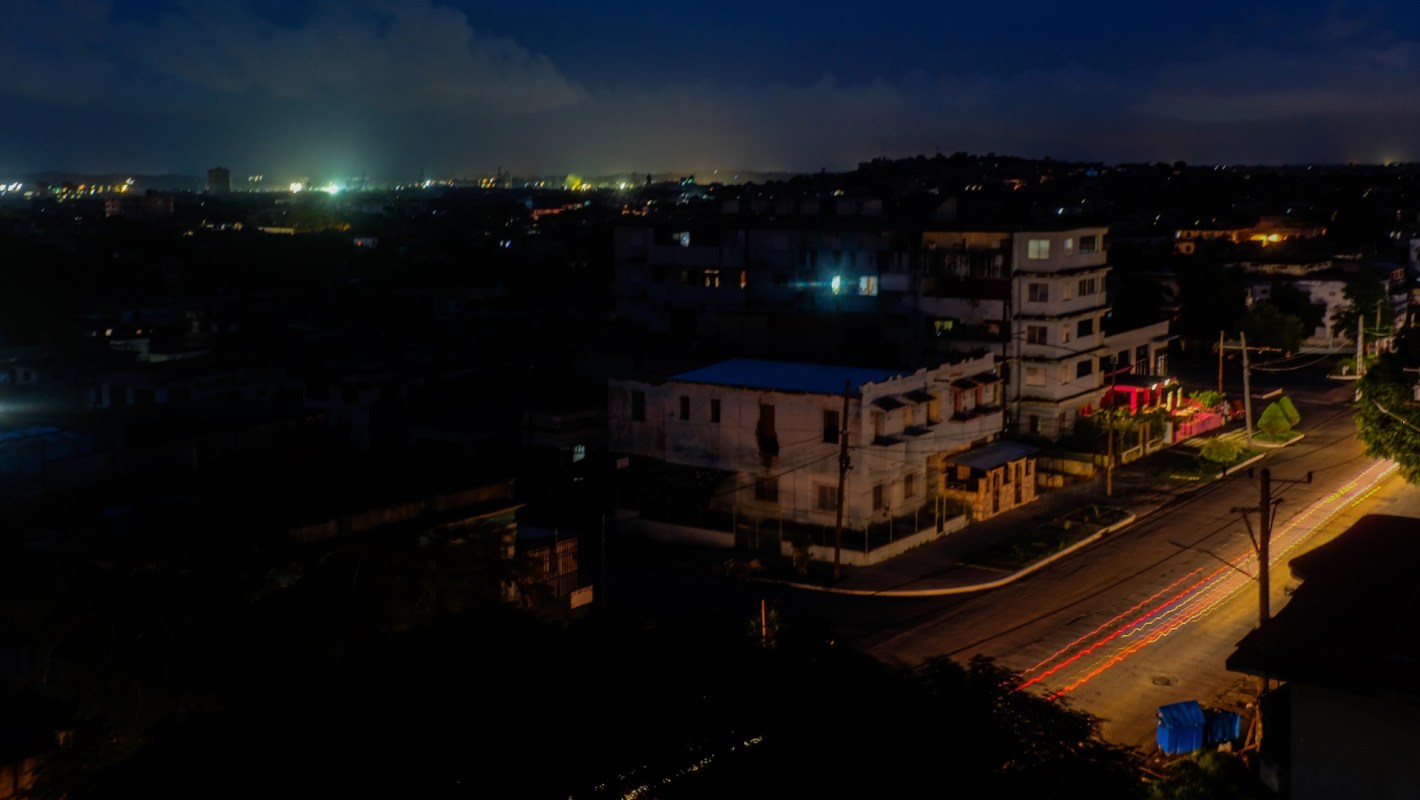
Rather than keep shuttering his restaurant amid Cuba's ongoing energy crisis and related water scarcity, Kevin Martinez decided to dig a well.
Here's what to know
Agence France-Presse reported that Martinez described the project as "a bit expensive" but said it would spare him the cost of having water delivered three times a week.
Official figures have indicated that close to a third of Cuba's 9.4 million residents are affected by ongoing water scarcity, which has been driven by continued power grid instability. The water system relies mainly on electric turbines.
The country's energy problems worsened earlier this year after U.S. government actions that the New York Times said in February were "functioning as" an oil blockade.
Last month, CBS News reported another grid collapse, describing "a failure … in transmission lines in the western part of the country, causing the system to collapse in that area — as far as Matanzas province."
Martinez's restaurant sits in the province, where he told AFP that critical infrastructure issues have left him with few alternatives.
TCD Picks » Quince Spotlight
💡These best-sellers from Quince deliver affordable, sustainable luxury for all




Yunior Gonzalez, an official with Cuba's national water company, told the news outlet that 2.7 million people are not receiving water in their homes. He said "between 80 and 85 percent of the water" supplied must be pumped, making the system especially vulnerable when the grid fails.
More background
For many families, coping with the shortage means fetching water themselves.
In Havana's old town, 30-year-old Maykel Aguilar filled a 53-gallon tank and several buckets from a spring-fed pipe, pushed them home in a wheelbarrow, and then carried the water upstairs.
"One little trip like that is enough for a load of laundry, cleaning the house, and cooking, and just like that you're out of water," Aguilar told AFP.
AFP reported that others are moving water by car, bicycle, and horse-drawn cart, while several municipalities have recorded women-led protests over the shortages. Water scarcity is also compounding runaway inflation.
What's being done?
AFP reported that more Cubans, like Martinez, are adding private wells, yard cisterns, and storage tanks to reduce reliance on unstable municipal service.
The news outlet also said that some residents are using so-called "water thieves," devices that pull what little water is left in the mains into their houses.
At the government level, Cuba has been working to shift away from fossil fuels to solar power — something residents have been taking on at the household level too.
"I never imagined I'd have to be digging a well," Martinez told AFP, "just as I never imagined I'd have to be cooking with coal or installing solar panels."
Where can I learn more?
These stories look at the blackouts, backup water strategies, and resilience efforts behind crises like Cuba's:
• Across Cuba, cafes and repair shops keep running on solar when the grid fails.
• In Mexico City, residents fight over access to water as shortages deepen neighborhood tensions.
• Uruguay now gets up to 98% of its power from a steadier renewable grid.
• Off-grid households are turning to water pumps with no electricity to steady unreliable supplies.

Get TCD's free newsletters for easy tips, smart advice, and a chance to earn $5,000 toward home upgrades. To see more stories like this one, change your Google preferences here.






