


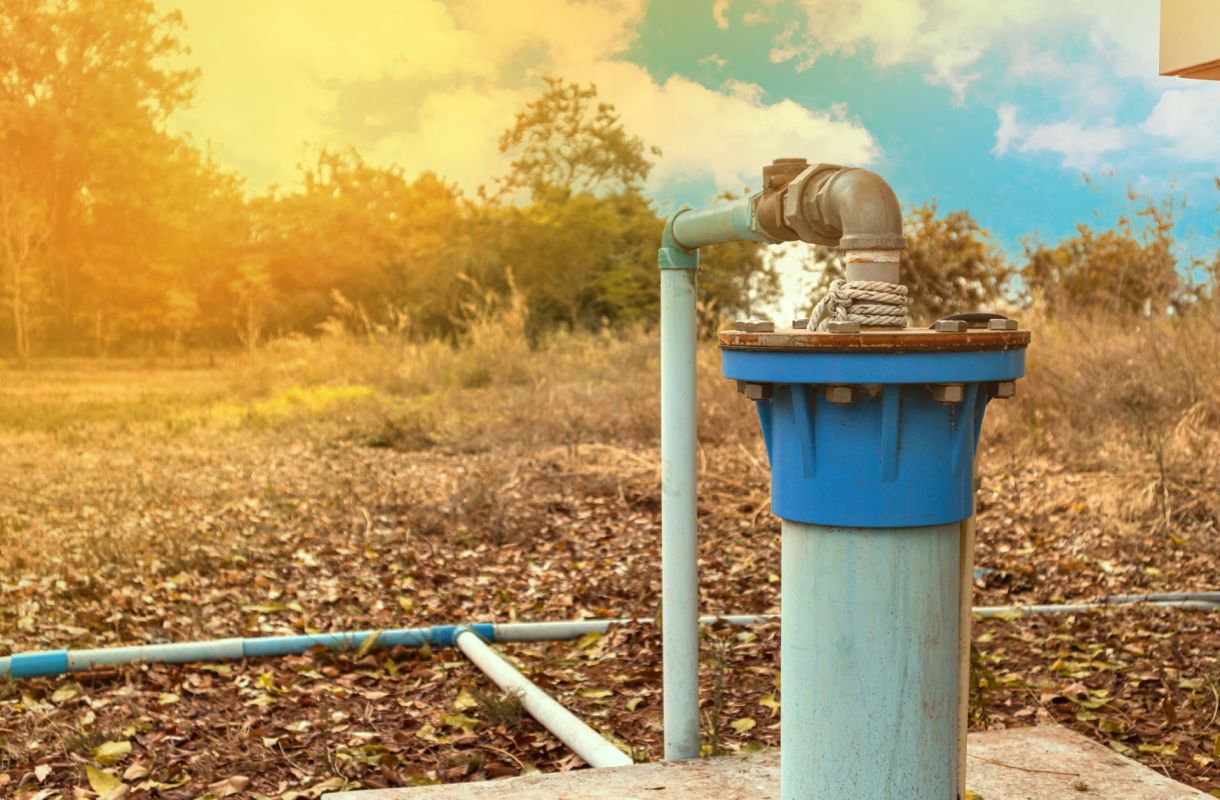
Arizona's San Simon Valley is facing a new surge in groundwater drilling roughly a decade after residents first asked the state to slow agricultural expansion.
State records analyzed by AZCIR show 154 applications for high-capacity wells in the San Simon Valley since 2015. A report by the Arizona Department of Water Resources' chief hydrologist said some ground above the already overdrawn aquifer has sunk by nearly seven feet.
Here's what to know
After the jump in large-well filings, farmers in the area are once again seeking state protection for the San Simon sub-basin, according to AZCIR. State estimates put the sub-basin's annual groundwater loss at about 50,000 acre-feet beyond what nature replaces — enough water to supply roughly 150,000 Arizona homes for a year.
Once ADWR acknowledged the petition in September, farmland that had gone without irrigation for five years became temporarily off-limits to new irrigation. The petition seeks an Irrigation Non-Expansion Area, or INA, which could permanently bar irrigation on newly developed farmland in the region.
With tighter groundwater restrictions in place in southeastern Arizona's Douglas and Willcox basins, pressure around San Simon has grown. "Now, we're the only place that's unregulated down here with agricultural potential," said Mark Cook, a local farmer and one of the lead petitioners.
More background
Cook said rising nut prices around 2015 helped draw growers from places like California to Arizona's less regulated groundwater basins. Their move into San Simon fits a pattern seen across the state, as investors turn to other basins with fewer rules when pumping becomes harder in one area.
TCD Picks » Quince Spotlight
💡These best-sellers from Quince deliver affordable, sustainable luxury for all




According to state records AZCIR reviewed, activity accelerated soon after San Simon's first INA effort failed in 2015. Diamond Nut-linked companies from California's Central Valley picked up 53 of those wells within three months of the 2015 appeal's failure. They've since sunk at least 24 more wells, most around 1,200 feet down, with a handful strong enough to pump 2,000 gallons a minute.
State surveyors have mapped roughly 26 miles of fissures across the area, according to the Arizona Geological Survey, and an August report from ADWR's chief hydrologist found that groundwater declines have accelerated alongside agricultural activity.
Residents in parts of the basin are already concerned that household wells could eventually run dry, and the fissures threaten nearby roads, buildings, and other infrastructure.
What's being done?
San Simon's current petition remains under review, but a separate court fight could shape what happens next. A Maricopa County Superior Court judge sided with out-of-state investors in January, ruling against Arizona's setup of a similar INA in the Hualapai basin. The state appealed that ruling, and if it stands, San Simon could face a slower, more complicated process.
Christopher Kuzdas, water program director for the Environmental Defense Fund, said the delay already favors large operators with the resources to move quickly.
"It's absolutely causing a delay," Kuzdas said. "And that delay is having a real impact in San Simon on the growers there."
Farmers such as Cook are left with a narrower option: it won't reduce pumping already underway, and under current state law, San Simon can't qualify for the stronger pumping limits an Active Management Area would allow.
For Cook, the goal is no longer to reverse the damage already done but to keep the situation from getting even worse for the valley's farmers and residents.
"All we can do is keep it from getting worse."
Where can I learn more?
These stories explore similar groundwater strains at the center of the fight over San Simon's aquifer.
• Arizona officials moved to limit unlimited water pumping by a Saudi-owned alfalfa farm.
• In Arizona's Big Chino Valley, a conservation easement now protects water, wildlife, and grasslands.
• Arizona officials said federal water plans for the Colorado River could devastate the state.
• In Utah's Apple Valley, a deeper well shutdown helped steady an overdrawn aquifer.
• In South Texas, cities drilled new wells during drought despite warnings that scarcity could worsen.

Get TCD's free newsletters for easy tips, smart advice, and a chance to earn $5,000 toward home upgrades. To see more stories like this one, change your Google preferences here.






