


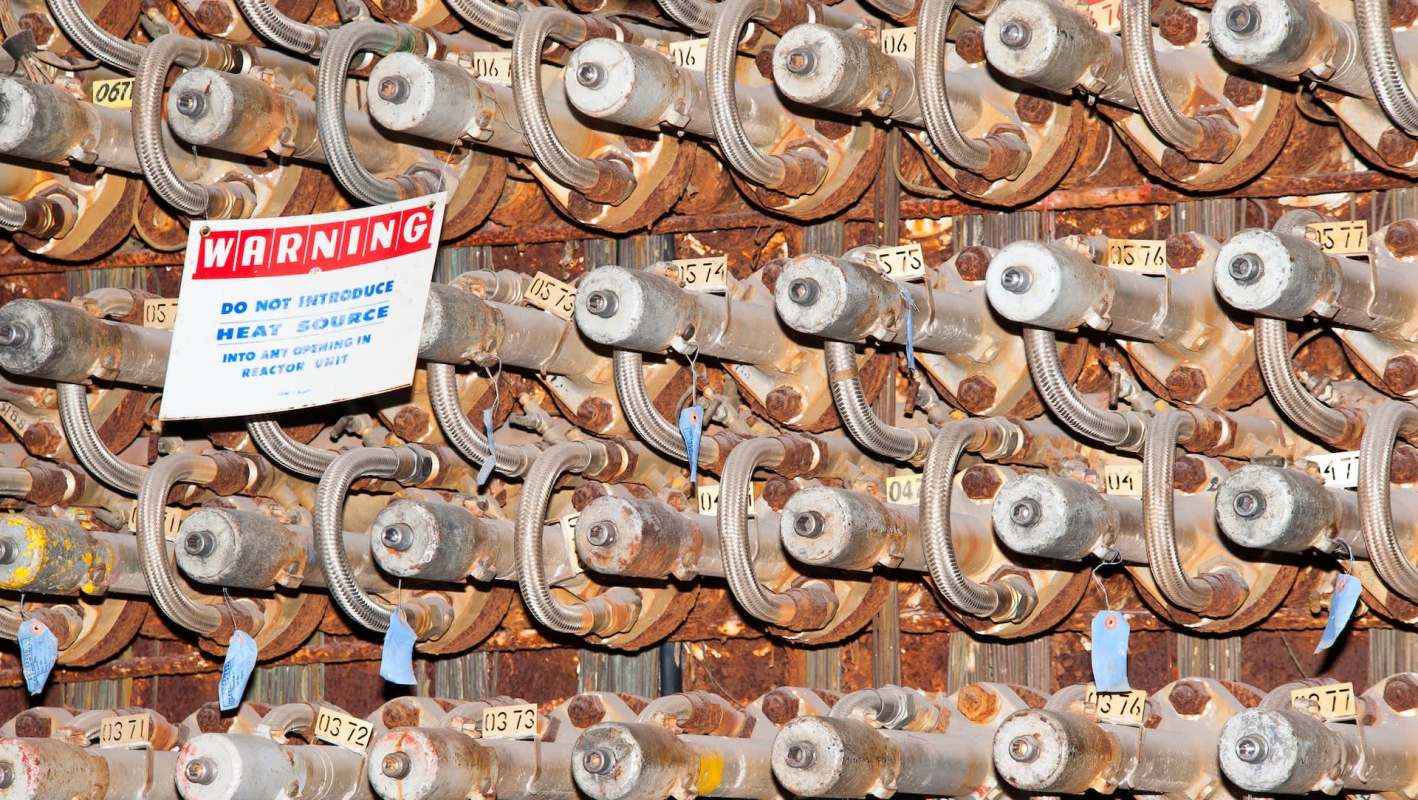
At Washington State's Hanford Nuclear Site, workers said they were assured there was little danger, even though the site handled some of the most toxic substances anywhere.
In Dr. Tim Takaro's account, Hanford workers developed a range of illnesses, including cancers linked to asbestos, beryllium disease, and chemical-related neurological problems across both the plutonium-production era and the cleanup period.
Here's what to know
In a YouTube video report, Cascade PBS (@CascadePBS) said that Hanford, a decommissioned nuclear site near the Tri-Cities, once generated about two-thirds of the nation's plutonium. By the time Dr. Takaro started treating workers there in the early 1990s, the site's role had already shifted from production to waste cleanup.
He described the site's hazards as extreme and tied to decades-old practices.
"The hazards at Hanford include some of the most toxic substances on the planet," he said, adding that "back in the '50s and '60s, there was a lot of corners cut because the emphasis was on plutonium production and not so much on worker health and safety."
He said two of the conditions he encountered most often were asbestos-related cancers and beryllium disease.
TCD Picks » Quince Spotlight
💡These best-sellers from Quince deliver affordable, sustainable luxury for all




Cascade PBS also quoted Hanford worker Lonnie Rouse, who said workers did not understand how serious the risks were.
"I'm mad, angry because we were told there wasn't any dangers, when in fact there was a lot of dangers," Rouse said.
In a statement cited by Cascade PBS, a Department of Energy spokesperson said the agency prioritizes worker safety and follows applicable laws.
More background
The report noted that beryllium was used both to cap nuclear fuel rods and in tools. During cleanup, demolishing old buildings can send beryllium dust into the air, and inhaling it can scar the lungs.
Dr. Takaro also said he treated Hanford workers for neurological conditions associated with chemical exposure.
"There's really no treatment," he said. "You try to manage the symptoms."
Some of these illnesses are chronic, may appear only after a delay, and in certain cases offer little treatment once exposure has happened.
Public concern around the site remains intense. In the video's comments, one commenter asserted that Hanford is "still going to be a problem 100, 200 and even 500 years from now especially at current rates of clean up."
What's being done?
Takaro said, "This is one of the most toxic places on the planet, and they have an incredibly difficult task managing these wastes. And they deserve protection."
In his view, stronger worker protections have to remain central to that mission. That effort depends on strict job-site controls during demolition, dust management, and chemical handling.
Cascade PBS reported that it will examine efforts to make it easier for Hanford workers to obtain compensation, while the Department of Energy said it remains committed to worker safety and compliance with relevant laws.
Where can I learn more?
Questions like these have also come up at other nuclear and contaminated sites where people faced serious exposure risks.
• At Holtec's Oyster Creek, a whistleblower warned of radiation exposure from wastewater.
• In Missouri, officials began demolition for neighborhood homes as uranium contamination drove families out.
• Across the country, contaminated federal sites face rising flood, fire, and storm risks.

Get TCD's free newsletters for easy tips, smart advice, and a chance to earn $5,000 toward home upgrades. To see more stories like this one, change your Google preferences here.






