


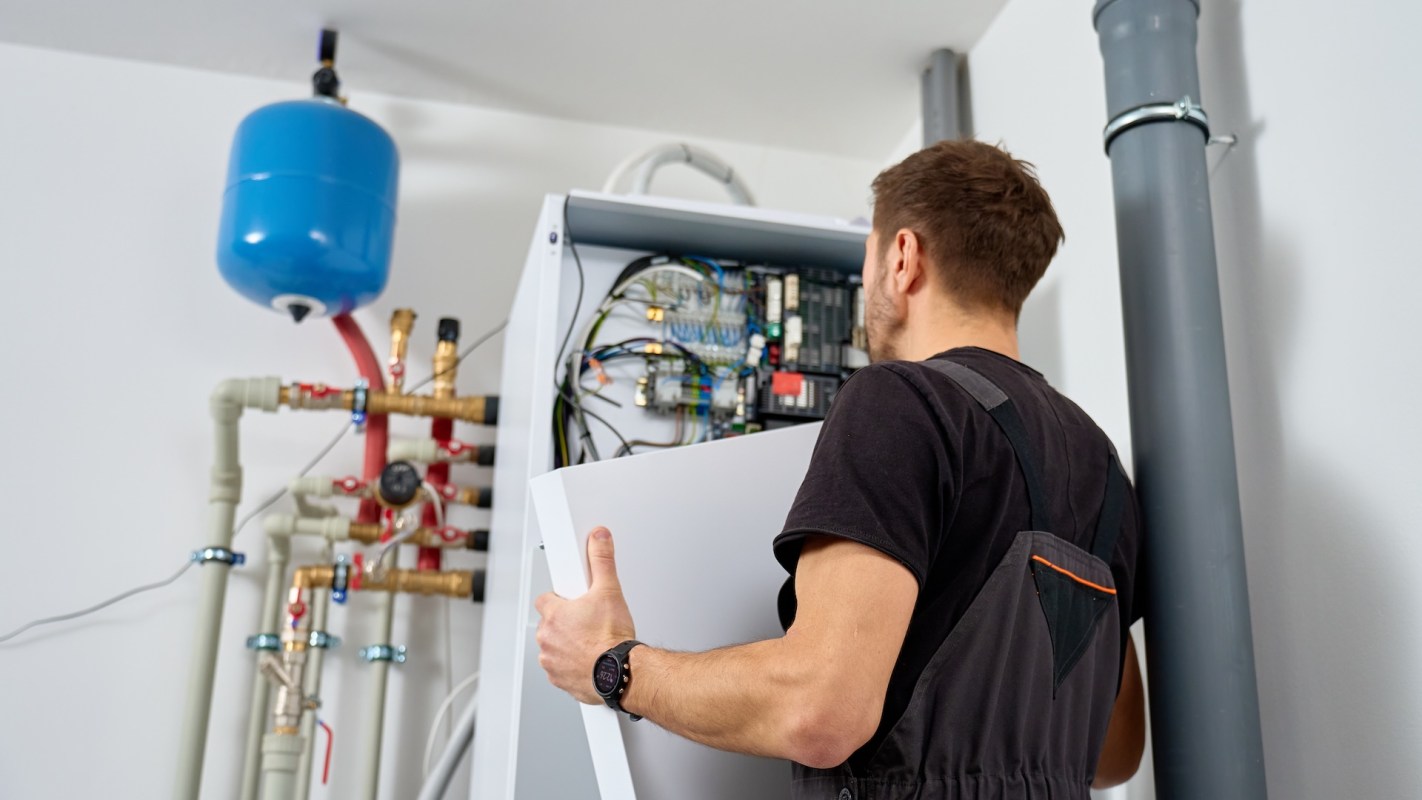
Three contractors told a New England homeowner that people often regret switching to heat pumps, after they received estimates of $35,000 to $45,000 for a system in a house that uses about 1,000 gallons of oil a year.
Here's what to know
In a Reddit post, the homeowner said the quotes applied to a 3,000-square-foot home and included a new heat pump plus upgrades to two air handlers. Those installers also pushed the homeowner away from high-efficiency propane, prompting them to ask the question, "How do people pay for this? Do that many people regret upgrading?"
Commenters who already use heat pumps quickly pushed back on that claim. One homeowner wrote, "I've been heating my New Hampshire home with cold climate heat pumps for the last 12 years. They work superbly," while another commenter with a Bosch whole-house system said, "No regrets."
One commenter estimated that a total of $62,000 spent replacing oil systems with mini-splits in New Hampshire and Maine would produce about a 14% return, after saying HVAC energy use fell 70% at both homes. Describing the Maine project, that homeowner said it "cost $11k after rebate, and saved over $1000 the first year."
Stories like these help explain why upgrading heating and cooling systems can be one of the most effective ways to lower utility bills and protect against rising energy prices. For homeowners trying to sort through conflicting sales pitches, Palmetto can help compare newer, more efficient HVAC systems and heat pumps, and its Comfort Plan network can connect households with vetted installers.
More background
Price wasn't the only issue raised in the thread; comfort came up too. One commenter said heat pumps usually run steadily and deliver lower-temperature heat than a furnace, which can make a drafty house feel colder even if the thermostat reads the same.
That same commenter said an energy audit should happen before replacing equipment and noted that utilities often cover the cost. In older New England homes, air sealing and insulation may matter just as much as the heat pump brand.
A few commenters also suggested a compromise instead of a full replacement. One said a homeowner could keep the oil furnace, add one or two mini-splits, bring oil use down to "400-500 litres/year," and stay under $10,000 for two units.
Crushed by your bills? See instant solar savings from vetted installers in just a few clicks With energy prices through the roof, there's never been a better time to go solar — and EasyHome can help you find the best prices from the best installers in your area. EasyHome takes the guesswork and headaches out of energy upgrades by showing you estimated savings from a network of vetted local partners. To get started, just enter your ZIP and share a few details about your home — seeing your estimate is really that easy. |

What can be done?
The most common advice in the thread was to be selective about who provides the quote. After reviewing the responses, the original poster wrote, "Based on feedback so far I should continue to get other quotes from installers who are more familiar with the technology."
If you're considering an upgrade and upfront cost is the main obstacle, Palmetto's Comfort Plan includes $0-down options that can lower heating and cooling costs by up to 50%, plus 12 years of free maintenance.
Some commenters said the financial case becomes even stronger when efficient HVAC systems are paired with solar panels to push utility costs down even further. One wrote, "I love my heat pumps. Mini-splits are great. Especially if you have solar panels." Homeowners can also compare systems and installers through EnergySage, which can help save up to $10,000 on solar installations.
One owner who facetiously said they have regrets summed them up by saying, "Mostly, I regret I didn't keep the names and contact information of every single person who told me that heat pumps don't work in New England and that I shouldn't bother."

Get TCD's free newsletters for easy tips, smart advice, and a chance to earn $5,000 toward home upgrades. To see more stories like this one, change your Google preferences here.






