


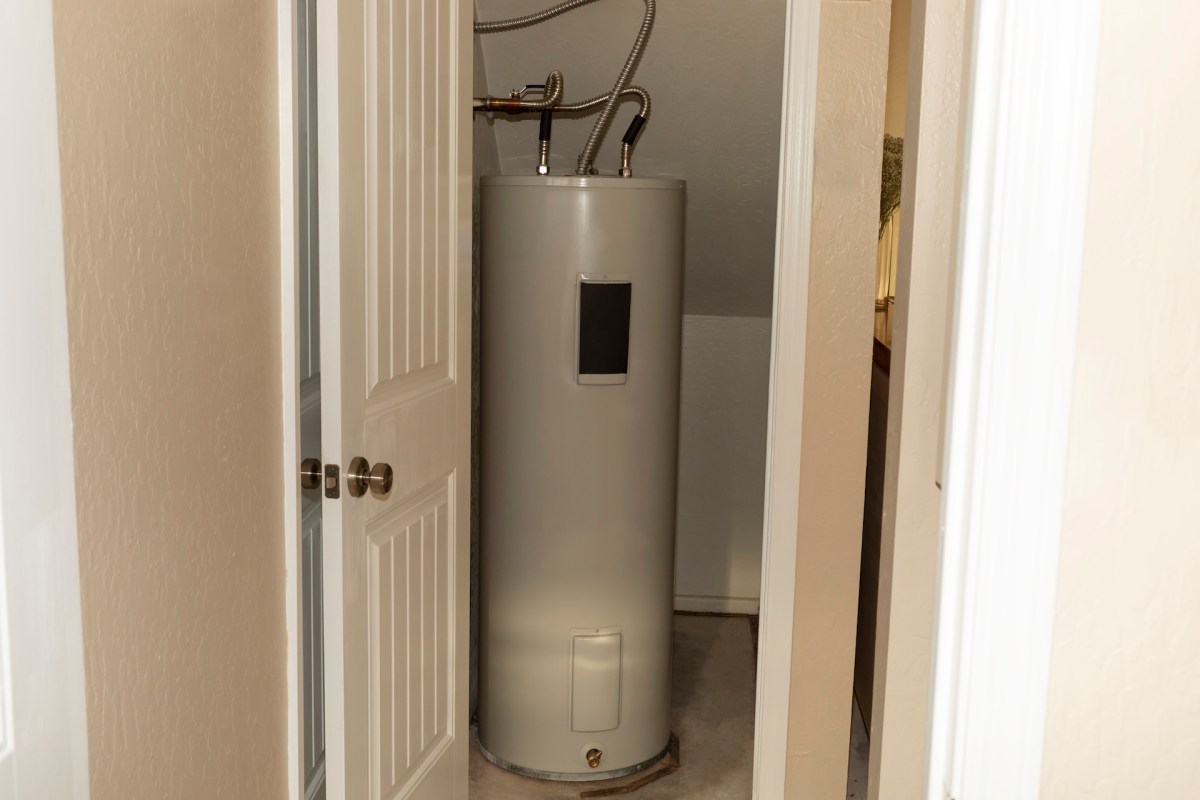
A new tenant posted on Reddit after noticing their apartment's water heater repeatedly cycling when they didn't think anyone was using hot water, raising the question of whether a neighboring unit could somehow share it.
They noted that other apartments in their area had been found to have misaligned electrical wiring, where neighbors ended up paying for each other's electricity; they now wondered if that is possible with plumbing.
Here's what to know
Money was a big part of the worry. The poster said electricity is "super expensive" in their city and said they had seen landlords stick tenants with other people's utility costs.
For readers worried about electric costs, switching from a standard electric tank to a heat pump water heater can save many households about $550 a year on utility bills.
The poster put the concern bluntly: "I suspect my next-door neighbor's apartment might be connected to my water heater," and said the heater often seemed to come on when they heard bathroom activity through the adjacent wall.
Most commenters, however, pointed to a less dramatic explanation: standby heat loss.
One commenter wrote, "It's normal for your water heater to kick on occasionally even when not in use. It is constantly losing heat energy to the room it's in, so it has to turn on occasionally to maintain hot water even when not in use."
The same commenter suggested feeling the pipe that carries hot water out of the tank. "If that pipe is warm, then it means someone has used hot water recently," the commenter said, adding that it "should be room temperature if hot water hasn't been drawn in a while."
Crushed by your bills? See instant solar savings from vetted installers in just a few clicks With energy prices through the roof, there's never been a better time to go solar — and EasyHome can help you find the best prices from the best installers in your area. EasyHome takes the guesswork and headaches out of energy upgrades by showing you estimated savings from a network of vetted local partners. To get started, just enter your ZIP and share a few details about your home — seeing your estimate is really that easy. |

The poster later said the heater is electric, and electric tank models can still reheat on their own during stretches when no shower, sink, or washer is running.
However, another commenter said a similar pattern in their home was eventually traced to "a leak in a hot water line and a huge gas bill."
More background
Because this was a rental, the poster said misbilled utilities are "not uncommon" where they live and mentioned cases where laundry hookups wind up on another tenant's meter.
They also reported hearing "the same noise about a minute after I start using hot water." That timing matches a tank starting its reheating cycle after hot water leaves the unit.
Commenters flagged a hidden leak as the most likely possibility beyond normal standby loss.
A hot-water leak can make a tank work harder than expected and quietly drive up energy costs, even if no one next door gets a free shower.
Distinguishing normal reheating from a shared plumbing issue or a leak can help someone document a utility problem before bringing it to a landlord or maintenance team.
What can be done?
One concrete suggestion in the thread was to go an hour or more without using hot water, then check whether the outlet pipe still feels warm. If it is, shared plumbing may be a culprit.
Other users suggested isolating the system.
Suggested tests also included closing the valves when the heater was idle and comparing power use, or temporarily shutting off the power to see whether the issue became easier to confirm.
A separate commenter cautioned against shutting the cold-water valve because that "can cause the T&P relief valve to open."
For homeowners dealing with a tank that really is wasting power, replacement can be another answer. Cala offers customizable smart heat pump water heaters. Cala's customizable smart heat pump water heaters can help homeowners lower energy bills by heating water only when needed.
That kind of upgrade addresses the issue of paying to keep water hot when nobody needs it. For households comparing alternatives to a standard electric tank, looking at Cala could be a smarter move than continuing to absorb repeated reheating costs.

Get TCD's free newsletters for easy tips, smart advice, and a chance to earn $5,000 toward home upgrades. To see more stories like this one, change your Google preferences here.






