


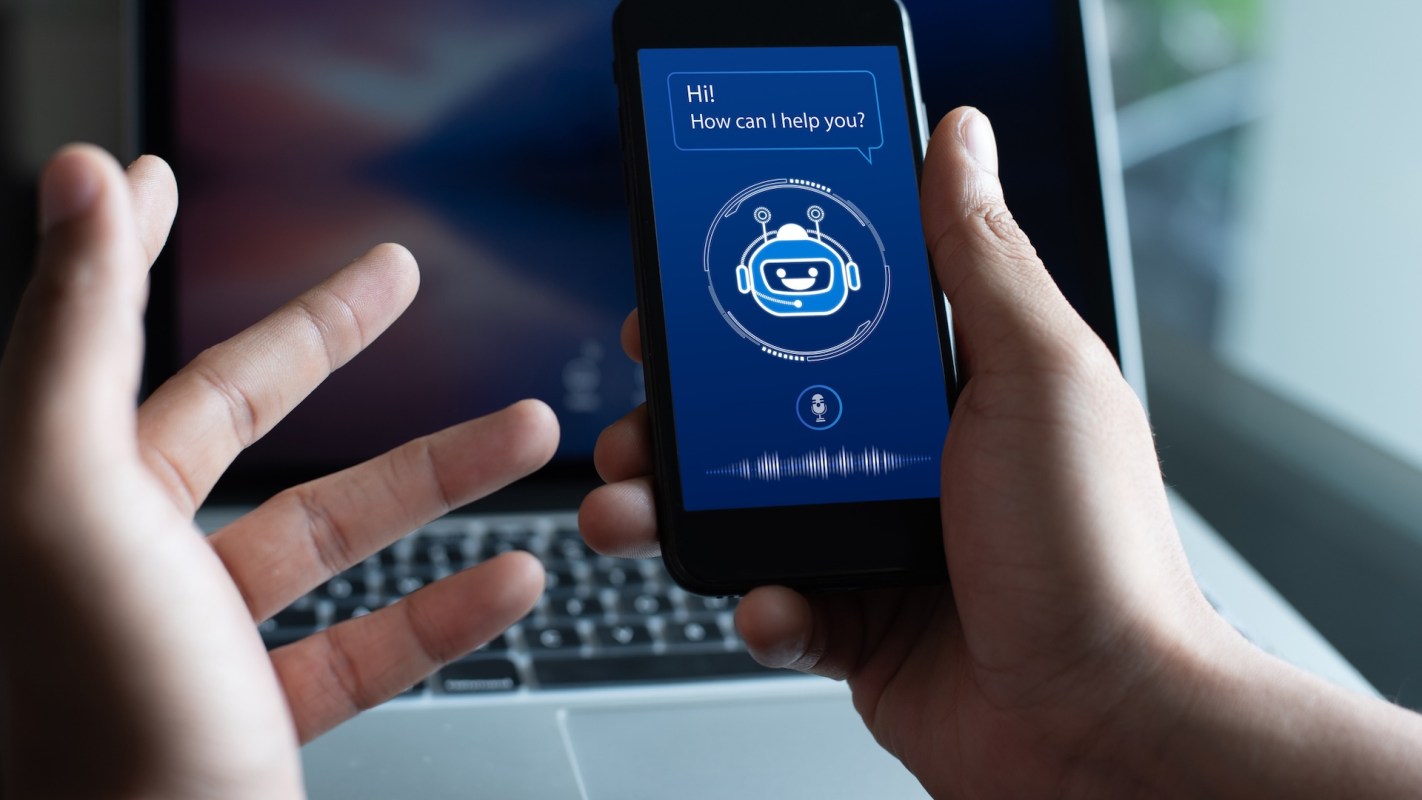
Businesses in New York City may face fines under a proposed rule if their automated customer service systems send consumers in circles and block access to a human representative.
Mayor Zohran Mamdani's administration says the plan would be the first rule of its kind in the country, and it would require companies to tell customers when they are interacting with an automated system instead of a person.
Here's what to know
According to Gothamist, the measure would require companies operating in New York City to offer a way for customers to reach a human and to ensure automated systems assist people in a "reasonable and timely manner." A public hearing is scheduled for Nov. 19.
Samuel Levine, commissioner of the Department of Consumer and Worker Protection, said the proposal would cover any business operating in New York City, regardless of where it is headquartered. It applies to customer service systems in which technology, rather than a human, handles all or nearly all communication.
Levine said the city is targeting a familiar frustration for consumers trying to resolve complaints.
"Companies have hid behind technology to ignore customer complaints, stymie refunds, and avoid fixing building errors," Levine said during a virtual briefing with reporters.
TCD Picks » Quince Spotlight
💡These best-sellers from Quince deliver affordable, sustainable luxury for all




Gothamist reported that the proposed penalties would increase with repeat violations: $525 for an initial violation, $1,050 for a second, and $3,500 for a third or later violation.
More background
The city is moving as efforts to regulate AI tools expand more broadly. According to the technology governance nonprofit the Future of Privacy Forum, lawmakers in 37 states have introduced more than 120 chatbot-related bills. Gothamist also noted that several states already require chatbots to disclose that they are not human, especially under rules focused on child safety.
Unlike many other chatbot rules, New York City's proposal targets customer service, focusing on the kind of automated loop people can hit when trying to resolve a problem with a landlord, retailer, or service provider.
Mamdani has also argued that federal regulation has not kept pace with AI's spread. As Gothamist reported, in September his administration barred AI in public elementary and middle schools, adding to the city's broader scrutiny of how the technology is being deployed.
AI systems are also closely tied to the energy grid because they rely on data centers that consume large amounts of electricity and often water for cooling. At the same time, AI can help optimize power demand and support cleaner energy systems, even as the technology's growth brings useful efficiencies and new costs or risks for communities.
What's being done?
The city is using its Consumer Protection Law to advance the rule, and the proposal would require businesses to do more than simply identify a bot. Automated systems would also have to stop sending people through menus that don't address their questions or offering irrelevant or incorrect responses.
Levine said the goal is to ensure automation does not become a shield against accountability.
"Our worry in New York City is that AI is only going to make this relationship worse," Levine said. "So… we're going to try to fix this. We're drawing a line to save people time and money, and ensure people can get actual customer service."
Officials are still working out the timeline. The effective date will depend on how many comments the agency receives after the Nov. 19 hearing, and companies will then have a transition period to make the required changes.
Levine said he hopes the measure becomes a model that other cities and states could copy.
"We think every jurisdiction should do this," Levine said. "We want this idea to spread."
Where can I learn more?
For a closer look at the kinds of problems behind New York City's proposal, these stories examine how AI chatbots can frustrate users and raise broader oversight concerns. They look at a telecom customer's bot runaround, Meta's chatbot ambitions, mental health risks, deceptive AI behavior, and inaccurate summaries from major tools.
• At Telus, an interaction with AI chat left one customer exasperated and stuck.
• At Meta, plans for AI chatbots drew criticism over loneliness and mental health.
• In London, AI chatbots ignoring user instructions raised alarms about catastrophic harm.
• The BBC found major AI chatbots developed by tech giants produced seriously inaccurate summaries.

Get TCD's free newsletters for easy tips, smart advice, and a chance to earn $5,000 toward home upgrades. To see more stories like this one, change your Google preferences here.






